A seismic shift is underway within the British Royal Family as the Duke of Sussex moves to establish a permanent operational base in the United Kingdom, a maneuver insiders describe as the creation of a rival court to that of the Prince of Wales. This development follows a critical Home Office U-turn, ordering the first full security review for Prince Harry since he stepped back as a working royal, a decision with profound constitutional and familial implications.
 The review, conducted by the Royal and VIP Executive Committee (RAVEC), could see the Duke’s taxpayer-funded police protection reinstated when he visits Britain. A verdict is expected as soon as next month. While publicly framed as a necessary step for family reunions, allowing Prince Harry to bring his children Archie and Lilibet to see their grandfather the King, sources reveal a far more strategic ambition driving the Duke’s relentless lobbying of the Labour government and Home Secretary Shabana Mahmood.
According to royal commentator Tom Sykes, this security victory is merely the foundation for Prince Harry’s true objective: to rebuild a formal UK presence that operates in direct competition with the household of his elder brother, Prince William. “He could beef up his UK operation, which would enable him to be in direct competition with his brother’s court,” Sykes reported, suggesting a deliberate and long-planned strategy.
This alleged plan exposes and exacerbates the deepening rift between King Charles III and the Prince of Wales. Analysts suggest the King’s apparent acquiescence to the security review—viewed by many as a necessary precondition for Harry’s return—signals a lack of full support for William’s own vision for a streamlined, modernized monarchy. “This is an absolute nightmare for William,” stated one commentator, noting the heir is now faced with the prospect of a charismatic, media-savvy rival operating on his own turf.
 The situation points to a coordinated effort between the Sussex camp, elements within the palace, and the new government. Insiders point to carefully orchestrated events, such as Prince Harry’s high-profile visit to the UK in September, which was accompanied by professionally curated imagery starkly different from typical paparazzi shots, as evidence of a “bulletproof narrative” being managed from the top.
“This is coming from the top,” asserted the commentator, referencing leaked photographs of aides from both the King and Prince Harry’s teams meeting publicly. “If they were willing to show us conversations happening in public, when did it start? I would take a wild guess months and months before.”
The rivalry is further inflamed by a relentless media war, with Prince Harry accused of deliberately targeting his brother. His choice to give an exclusive interview to the BBC following a lost security appeal in May was seen as a particularly pointed provocation, given Prince William’s searing condemnation of the corporation for its role in his mother’s death.
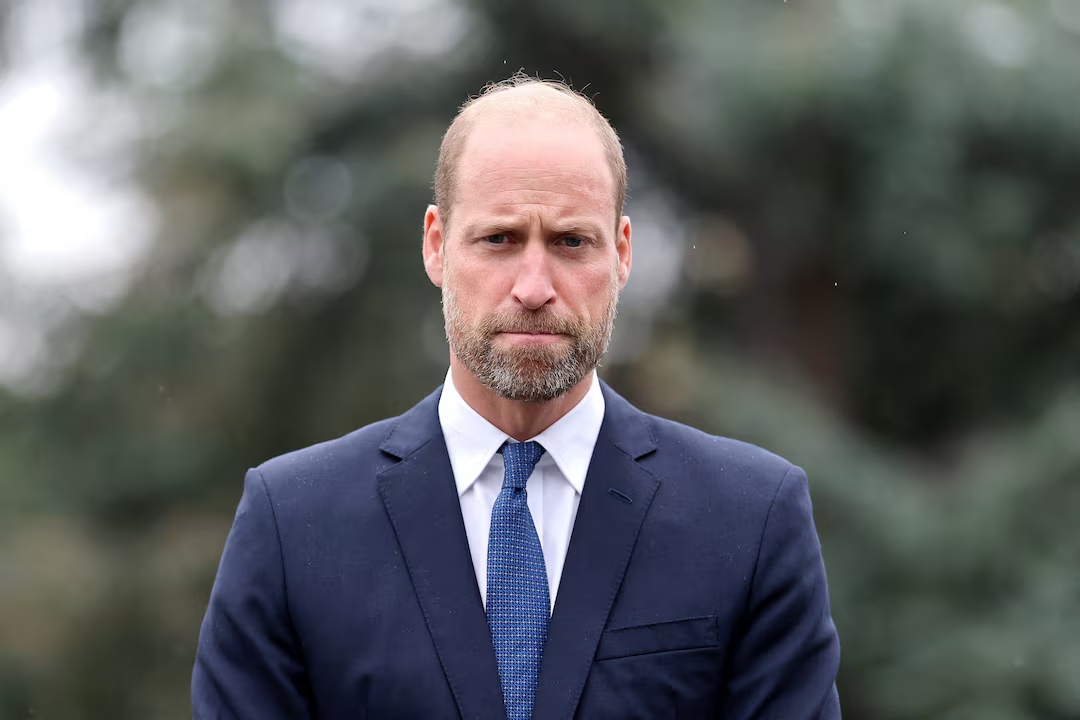
Simultaneously, a separate public relations crisis involving the Duchess of Sussex has erupted, threatening to overshadow the Wales family’s traditional Christmas engagements. Meghan Markle was accused of orchestrating a damaging media leak about reconnecting with her ailing father, Thomas Markle, at the precise moment photographs of the Prince and Princess of Wales arriving at a carol service were released.
The narrative, briefed to multiple outlets under the headline “Family First,” claimed the Duchess had made contact after her father underwent a leg amputation. It was swiftly denounced as a “provable lie” by Thomas Markle’s other children, who stated no communication had occurred. “Talk is cheap,” said Samantha Markle, the Duchess’s half-sister. “Unless they prove intent with action… it’s just PR bullshit.”
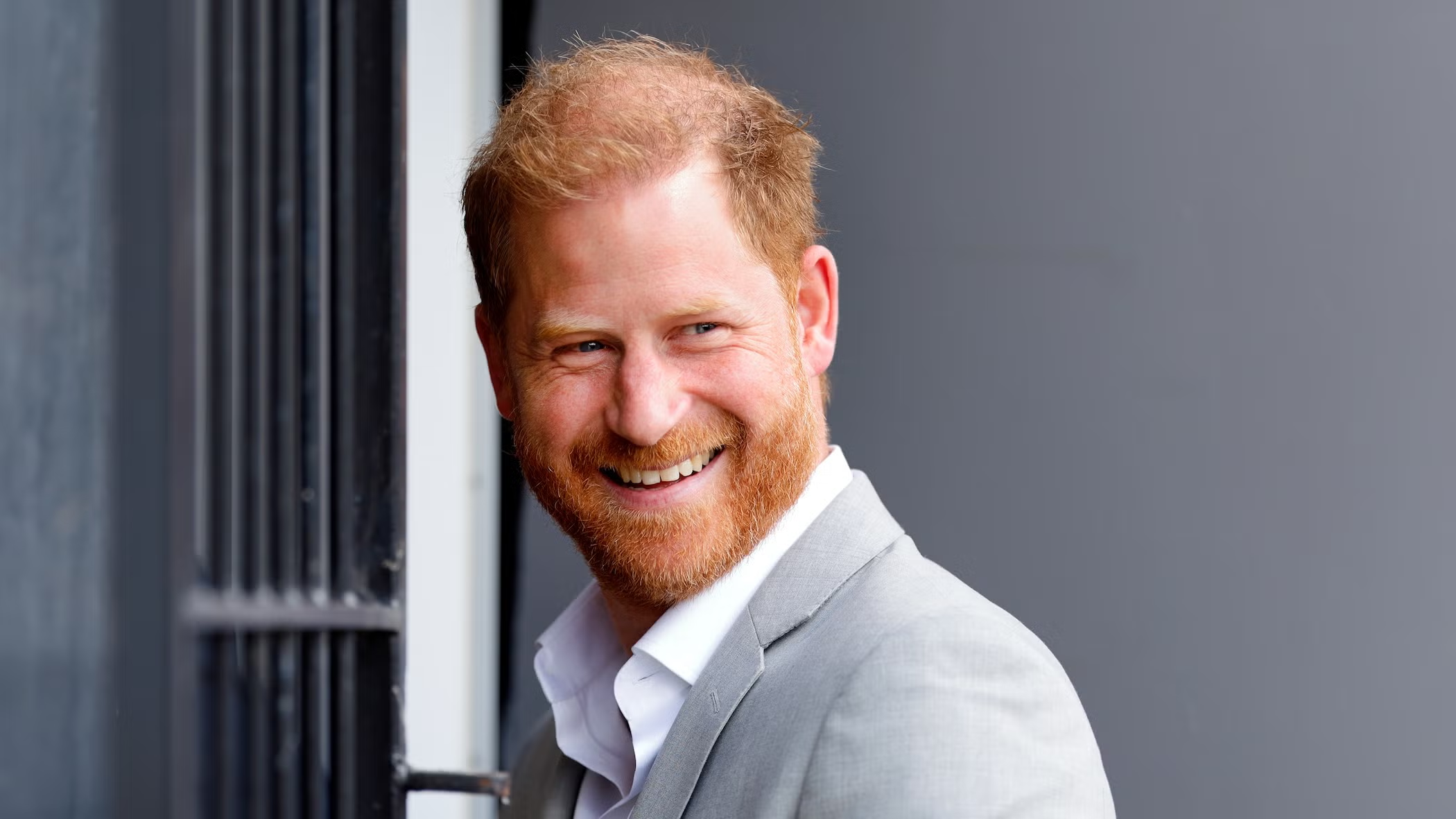 The incident descended into farce as representatives for the Duchess offered conflicting accounts, suggesting contact attempts via a dormant email address and expressing unfounded fears that calls could be hacked. The Daily Mail hit back, denying it had “puppeteered” Thomas Markle and confirming his phone number remained unchanged.
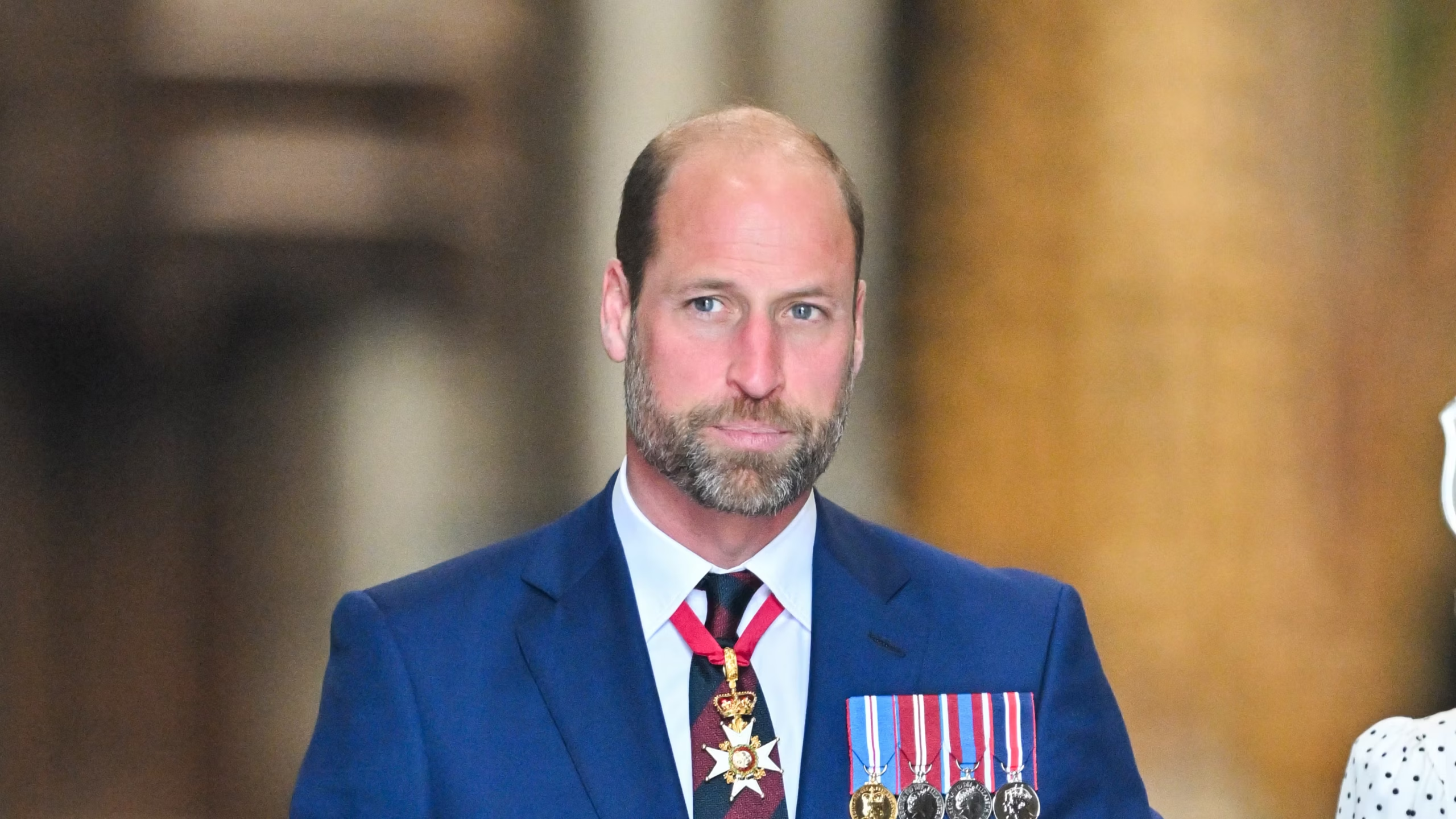
This episode is viewed by critics as a calculated attempt to divert positive attention from the Princess of Wales and to sanitize Meghan Markle’s public image ahead of a Netflix holiday special promoting family values. “She went out of her way to try and dominate and to just take everything away from Catherine, Princess of Wales, that she could,” one analyst stated.
Together, these parallel crises depict a monarchy in a state of open and managed conflict. The establishment of a rival court by the Duke of Sussex, seemingly with a degree of royal approval, fundamentally challenges the unity of The Firm. It introduces an unprecedented dynamic of internal competition for relevance and public affection, while external communications battles risk diminishing the dignity of the institution.
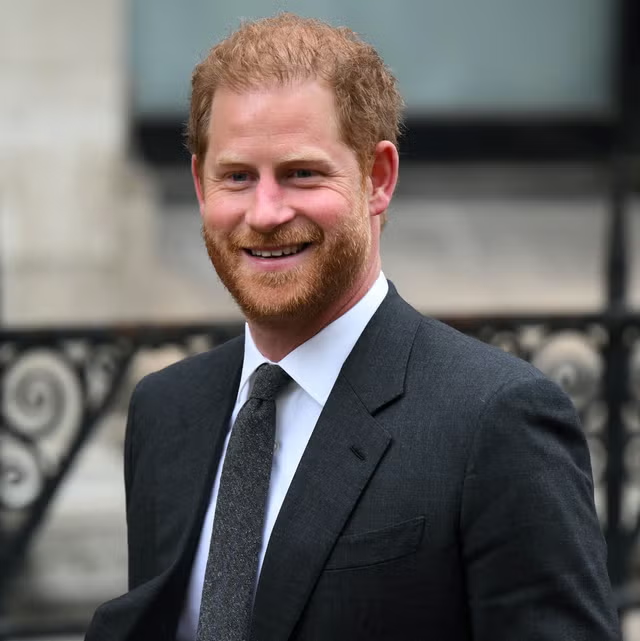
The coming months will be critical. The Home Office’s security decision will either pave the way for Prince Harry’s formal re-entry into the UK’s royal landscape or solidify his exile. Either outcome promises to further strain the already fractured relationships at the heart of the world’s most famous family, with King Charles caught between his heir and his spare in a dispute that now involves the highest levels of government. The stability of the monarchy itself may hinge on how this bitter rivalry is resolved.