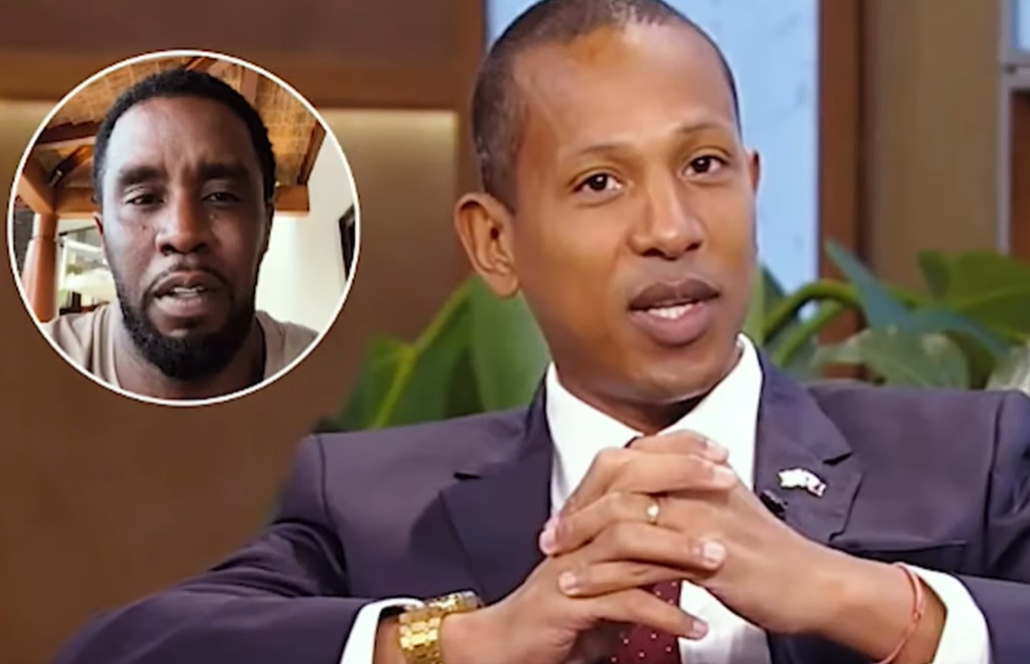
A deep and painful personal history with Sean “Diddy” Combs is the reason Belizean politician and former Bad Boy rapper Shyne says he refused to participate in a documentary about the embattled music mogul. In a revealing new interview, Shyne, now the Leader of the Opposition in Belize, opened up about the rift, suggesting fellow Bad Boy artist 50 Cent intuitively understood the severity of their fractured relationship long ago.
 Shyne, born Jamal Michael Barrow, cited devastating actions by Combs against him and his family as the core reason for his silence. “Obviously, there’s a history there,” Shyne stated, his words measured yet heavy with implication. “He did things to me, to my family that devastated my family. But I didn’t want to tell that story.”
The former rapper, whose career was fundamentally altered after being incarcerated for a 1999 club shooting involving Combs, expressed a poignant irony in the current moment. He observed that the story he chose not to tell is now narrating itself through a cascade of recent lawsuits and federal investigations into Combs’s conduct. This unfolding public reckoning, he suggested, has rendered his personal testimony unnecessary.
His reflections then turned to his formative years, drawing a direct line from his childhood struggles to his current political mission. Shyne recalled being inspired by icons like LL Cool J and Michael Jackson after moving to Brooklyn as a young child, where his family continued to face significant poverty. Yet, he characterized that American hardship as preferable to the “abject poverty” he witnessed in Belize.

This comparative experience now fuels his political vision. He articulated a belief in creating societal pathways where meritocracy can triumph over circumstance. “Based on your work ethic, based on your talent, based on your ability, you can become a multi-millionaire at the age of 18,” Shyne asserted, framing this ethos as the antithesis of the systemic limitations he aims to dismantle in his home country.
The interview underscores a dramatic life arc: from a teenage rap prodigy on Bad Boy Records, to a convicted felon, to a respected political leader abroad. His refusal to engage with the Diddy documentary project is a powerful act of boundary-setting, separating his present from a traumatic past he has long sought to overcome. It positions him as a figure who has witnessed the zenith and nadir of the Bad Boy empire from within.
Shyne’s commentary arrives amid an unprecedented period of legal turmoil for Sean Combs. The mogul faces multiple civil lawsuits alleging sexual assault and sex trafficking, a federal criminal investigation that led to raids on his properties, and the dissolution of his lucrative business partnerships. The entertainment world is now re-examining the Bad Boy legacy with a critical eye.

Within this context, Shyne’s claim that 50 Cent “knew it was over” between him and Diddy adds a layer of insider validation. 50 Cent, a longtime critic of Combs, has publicly mocked the mogul’s recent fall from grace. Shyne’s statement suggests the depth of the rupture was an open secret among industry peers familiar with the dynamics of the iconic label.
Observers note that Shyne’s journey from the gritty streets of New York to the parliamentary halls of Belize represents a profound reinvention. His political platform, focused on economic empowerment and justice reform, appears consciously built as a repudiation of the chaos that once surrounded him. His past with Combs is not just personal history; it is a foundational chapter he has had to publicly reconcile.
 The decision to withhold his story from documentary filmmakers speaks volumes. It implies a narrative so damaging that its emergence could only be justified by a broader, external truth finally coming to light. By choosing silence then, Shyne preserved his peace and focused on his future, allowing the present legal and media storm to validate his experiences without his direct involvement.
This stance also protects his political credibility in Belize, where he serves as a serious statesman. Engaging in a public re-litigation of his hip-hop past could distract from his policy objectives and national leadership role. His measured comments acknowledge the history while firmly anchoring his identity in his present work and aspirations for his nation.
As federal investigators continue their probe and civil cases proceed, the industry awaits further developments. Shyne’s testimony, were he ever to give it in a legal setting, could hold significant weight. For now, his public remarks serve as a solemn and impactful footnote to Diddy’s escalating crisis, a reminder of the human cost behind the glamorous facade.
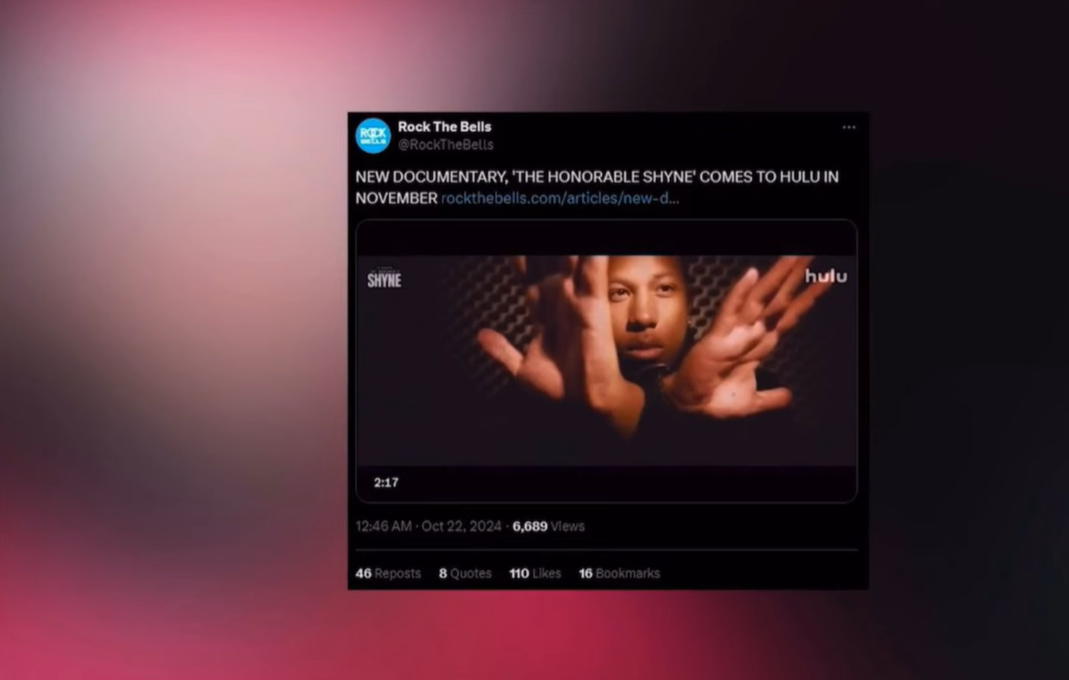
The unfolding saga continues to send shockwaves through the music and business worlds, challenging long-held narratives about one of hip-hop’s most influential figures. Shyne’s perspective, rooted in both personal victimization and hard-won redemption, offers a unique and sobering lens through which to view this cultural moment. His story is one of survival and transformation, a path that led him far from the shadows of Bad Boy.