In an unprecedented legal standoff shaking the core of the U.S. Department of Justice, top attorneys appointed by former President Donald Trump have been fired — yet they refuse to relinquish their posts. The fallout is chaotic, with federal judges repeatedly striking their names from official court documents as these lawyers defiantly maintain their authority without legal backing.
This extraordinary rebellion unfolds in multiple federal districts, where judges have ruled these Trump-appointed interim U.S. attorneys lacked proper Senate confirmation and thus no legitimate power. Despite clear judicial orders, these ousted officials continue signing indictments and filings as if nothing has changed, plunging the nation’s legal system into a surreal, almost lawless episode.
The crisis ignited when a federal judge dismissed cases against former FBI Director James Comey and New York Attorney General Letitia James, citing the unlawful appointment of prosecutor Lindseay Halligan in the Eastern District of Virginia. Halligan, who had no prior federal prosecutorial experience and lacked Senate approval, was deemed unauthorized to serve as the U.S. attorney.
Yet, rather than stepping down, Halligan persists in filing legal documents bearing her title. Judges overseeing Eastern Virginia courtrooms have had to physically cross out her name, labeling the filings invalid. Similar scenes unfold elsewhere as multiple courts slap down the Justice Department’s attempts to install loyalists by circumventing congressional approval.
In New Jersey, the saga escalates with Alina Haba, former personal attorney to Donald Trump, who was removed by a federal appeals court for illegally assuming the U.S. attorney role. Defying the court’s unanimous ruling, Haba continued publicly identifying herself as U.S. attorney, even firing the court-appointed interim leader to reclaim the position unlawfully.
The Third Circuit Court of Appeals did not hesitate, rejecting her audacious claims and reiterating that no one can override Senate confirmation requirements. Still, Haba’s insubordination mirrors a disturbing pattern of Trump loyalists flouting judicial authority, underscoring a broader assault on the rule of law.
Further chaos ripples through the Northern District of New York, where another appointee with no federal prosecution background refuses to step aside. This pattern reveals a Justice Department teetering on the brink, as fired lawyers entrench themselves, signing documents with no legal legitimacy and forcing line prosecutors into a moral and professional quagmire.
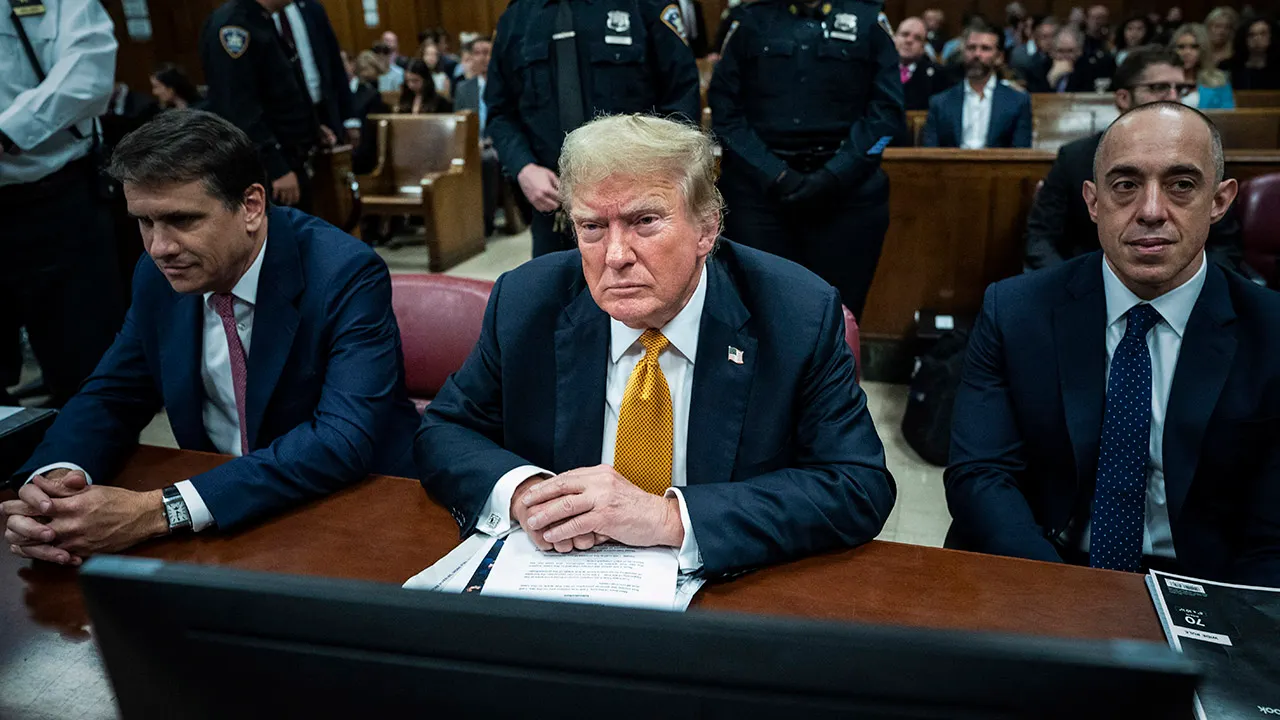
Federal judges express bafflement, demanding attorneys cease unauthorized filings. In response, the lawyers claim they act under directives from “Main Justice” in Washington, deepening the conflict. Line prosecutors, caught between court orders and their superiors’ defiance, face uncharted ethical dilemmas, exacerbating institutional instability within the DOJ.
Legal experts describe the situation as “humiliating” and “depressing,” drawing parallels to a “parallel DOJ” where loyalty to Trump trumps legal norms and constitutional protocols. Former U.S. attorney Harry Litman harshly condemns this defiance as a dangerous erosion of judicial respect and a threat to the integrity of the federal prosecution system.
The stakes could not be higher. U.S. attorneys wield enormous prosecutorial power, controlling indictments and case management. When unconfirmed appointees without lawful authority press charges or sign documents, defendants possess clear grounds to challenge cases, jeopardizing ongoing investigations and risking appeals that could unravel justice itself.
The Department of Justice’s incoherent defense only deepens concern. Attempts to justify illegal appointments with convoluted arguments, such as likening firing and replacing court-appointed officials to a political coup within a presidential administration, have been swiftly dismissed by appeals courts as “no-go” reasoning.
This crisis highlights a stark divergence between law and loyalty. Trump’s appointees appear motivated less by legal qualifications than by allegiance, seeking to preserve influence regardless of judicial rulings. The resulting impasse imperils the DOJ’s credibility and threatens to paralyze critical federal prosecutions nationwide.
Beyond the courtroom, the chaotic saga reflects a broader challenge to America’s democratic institutions. The defiance of judicial authority by top DOJ officials aligned with Trump underscores a troubling effort to undermine checks and balances, risking long-term damage to the country’s justice system and rule of law.
As fired prosecutors cling to power, courts work to reassert control, but the battle is ongoing. Each day brings new instances of contested filings, crossed-out signatures, and legal uncertainty. The turmoil is a vivid, real-time test of federal authority and the resilience of American judicial governance.
The implications extend far beyond isolated cases. Public safety, the legitimacy of prosecutions, and faith in government institutions are all on the line. This unprecedented insurgency inside the DOJ undercuts decades of legal precedent and threatens to leave a legacy of mistrust and disruption in the federal justice landscape.
Observers warn that unless courts decisively enforce their rulings, the DOJ risks descending into a fractured entity where lawlessness reigns, and partisan loyalties override legal duty. The current standoff is more than a legal quibble—it is a battle for the soul and structure of America’s federal justice system.
For the American public and the legal community alike, the scene is as dire as it is bewildering: fired Trump lawyers sitting at their desks, signing documents, issuing orders, and publicly claiming titles that courts have rescinded. This is no longer a theory or controversy—it is a raw confrontation unfolding with alarming speed.
The question remains: how will the Department of Justice, the federal courts, and the broader government restore order from this legal chaos? The answers—and the outcomes—will shape the future of federal law enforcement and the integrity of justice administration for years to come.
One thing is clear: Donald Trump’s top legal team’s refusal to admit termination is not just a news story—it is a constitutional crisis. And it is happening now, plunging the nation’s highest legal institutions into an unprecedented state of turmoil and uncertainty. The nation watches as law and authority are put to the ultimate test.