Explosive new allegations from Sean “Diddy” Combs’s former security detail have ignited a firestorm, claiming the mogul strategically placed estate managers who are now poised to profit from a nine-figure sale of The Notorious B.I.G.’s catalog while the late rapper’s children allegedly await payment. The claims, made by ex-bodyguard Gene Deal in a recent interview, directly challenge the narrative presented by Bad Boy representatives and suggest a calculated financial maneuver following the death of Biggie’s mother, Voletta Wallace.
 Deal specifically targeted Wayne Barrow and Mark Pitts, the longtime managers of Biggie’s estate who recently defended Diddy’s royalty payments to the icon’s family. He accused them of exploiting Biggie’s children and his ailing mother by advancing a catalog sale valued as high as $150 million while Ms. Wallace was in hospice care. She passed away shortly after the deal was reportedly finalized.
“These are the dudes that Puff put into play,” Deal stated, alleging Barrow and Pitts were Diddy’s operatives from the start. He emphasized the suspicious timing, noting Voletta Wallace’s death last month cleared the path for the transaction. As the estate’s executive, her passing shifted control, raising urgent questions about who ultimately benefits from the massive sale.

The potential buyer is reportedly Primary Wave, a major publishing firm holding rights to legends like Prince and Whitney Houston. Industry sources cited by The Hollywood Reporter suggest a complex deal involving publishing rights for approximately $100 million and master recordings for tens of millions more. The total package is estimated at just under $100 million.
This controversy erupts amidst a sea of legal and civil troubles for Sean Combs, casting a harsh new light on his historical business dealings. Deal’s allegations extend beyond finances, resurrecting long-held suspicions about Biggie’s 1997 murder. He claimed Voletta Wallace actively avoided Diddy, believing he “might have had something to do with her son’s death.”
The estate managers, Barrow and Pitts, have yet to publicly address Deal’s specific claims. They previously dismissed broader allegations of royalty malfeasance, with Barrow stating on The Breakfast Club that Bad Boy “paid” and there was “nothing” amiss. Critics, however, argue such statements deliberately misrepresent standard industry “recoupment” practices where labels deduct costs before artists see royalties.
Deal and another former associate, Kirk Burroughs, have become central figures in challenging Diddy’s legacy. Burroughs previously alleged he was ousted from Bad Boy for refusing to alter Biggie’s renegotiated contract—a deal struck weeks before the rapper’s unsolved killing. The current catalog sale, critics argue, continues a pattern of opaque financial dealings.
The silence from Combs’s camp on these specific allegations is deafening. Legal analysts note that while Diddy has threatened defamation suits against other accusers, he has not moved to legally challenge Deal or Burroughs, nor has he provided documented proof of payments like Biggie’s funeral costs, which he has long claimed to have covered.

This leaves the two children of Christopher “The Notorious B.I.G.” Wallace, T’yanna and C.J. Wallace, in a precarious position. The central, unanswered question is what financial provision, if any, was made for them in the catalog sale orchestrated in the shadow of their grandmother’s passing. Their potential inheritance from their father’s monumental legacy hangs in the balance.
Faith Evans, Biggie’s ex-wife and the mother of his son, adds another layer. Managed early in her career by Barrow and Pitts, her own relationship to the estate and this sale remains unclear. Her past romantic link to Stevie J, a known Diddy loyalist, further illustrates the deeply intertwined and often conflicted web of the Bad Boy family.
The allegations paint a picture of a protracted reckoning, where decades-old business practices and personal loyalties are being violently unpacked. For the family of Christopher Wallace, the pursuit of transparency and justice appears to be a battle fought on multiple fronts: legal, financial, and historical.
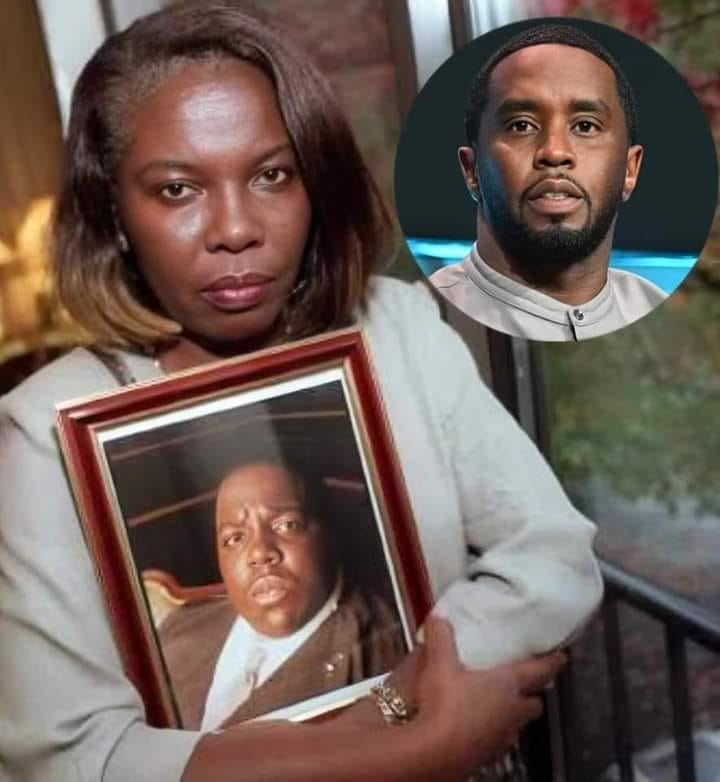
As the court of public opinion weighs these grave claims, the pressure mounts on Wayne Barrow and Mark Pitts to provide a full accounting of the catalog sale terms. The music industry and fans worldwide are now demanding clarity on whether the fruits of Biggie’s immortal work will finally reach his rightful heirs or remain entangled in the complex legacy of Bad Boy.
This developing story strikes at the heart of hip-hop history, corporate ethics, and familial legacy. With millions of dollars and the stewardship of a cultural icon’s estate at stake, the coming days promise further revelations and long-overdue demands for accountability in a saga that has remained unresolved for nearly three decades.
The narrative pushed by Diddy’s defenders is now facing its most detailed and damning counter-narrative from within the old guard. The absence of concrete rebuttals, coupled with the tragic timing surrounding Voletta Wallace’s final days, fuels a growing consensus that a full, independent audit of the estate’s dealings is not just warranted but essential.
For T’yanna and C.J. Wallace, this is more than industry gossip; it is their birthright. The world is now watching to see if the architects of this deal will answer for its structure or continue to hide behind the silence that has characterized so much of this painful history. The reckoning, it seems, is only just beginning.