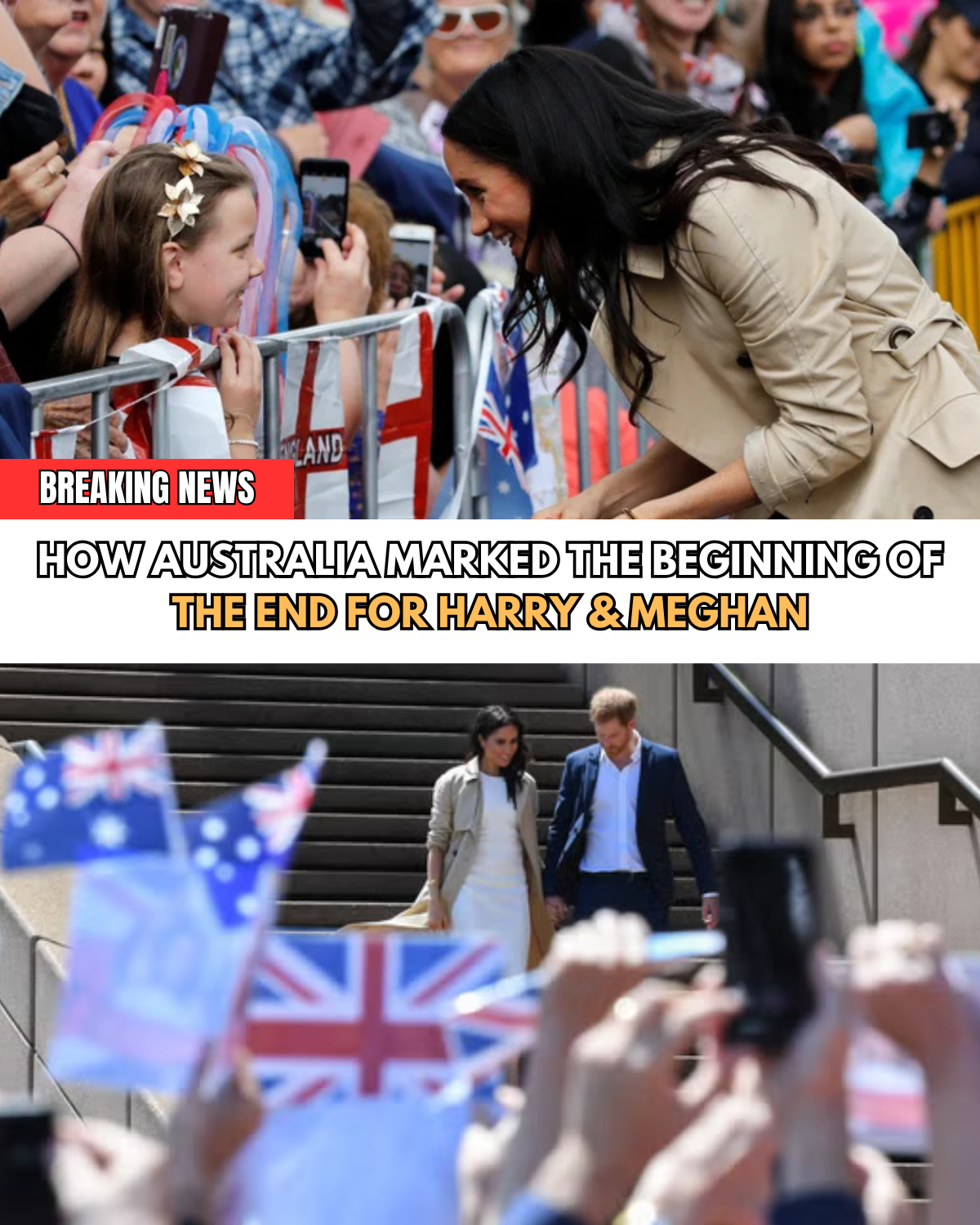
A major royal tour once hailed as a triumph is now being viewed as the beginning of the end for the Duke and Duchess of Sussex within the monarchy. New analysis of Prince Harry and Meghan’s landmark 2018 visit to Australia reveals the stark contrast between its public success and the private turmoil that would erupt just over a year later, leading to their dramatic exit.
 The sixteen-day tour of Australia, New Zealand, Fiji, and Tonga was a spectacle of global adoration. Fresh from their wedding and with a surprise pregnancy announcement on the first day, the couple was greeted by ecstatic crowds and overwhelmingly positive media coverage, drawing direct comparisons to the historic 1983 tour of Prince Charles and Princess Diana.
Royal experts who covered the tour firsthand recall an atmosphere of unbridled optimism. “They were seen as this new, big thing,” said royal biographer Robert Jobson, who was embedded with the press pack. “The reporting was very, very positive. It was a great success.” Commentator Katie Nickel noted the tour generated a “fisson of excitement” that resonated from Sydney back to London, bolstering the monarchy’s image abroad.
Beneath the flawless public facade, however, cracks were beginning to form. Insiders now describe a couple under immense, poorly managed pressure. Jobson recounted observing a “edgy” and protective Harry, particularly in Fiji where he grew frustrated with photographers stationed without shade in extreme heat—a moment seen as an early sign of his simmering tension with the media.
The grueling schedule, undertaken while Meghan was in her first trimester of pregnancy, is now viewed as a critical misstep. “This was quite grueling,” Jobson stated, suggesting palace planners may have “packed too much into it.” Nickel emphasized the relentless nature of such tours, noting the contrast between Meghan’s previous life and the exhausting royal protocol of back-to-back engagements and evening galas.
This dissonance between public perception and private experience proved foundational. The couple would later tell Oprah Winfrey that after the Australia tour, “things really started to turn” within the royal family. Experts point to this period as the genesis of Harry’s “fixation” on British press coverage and the beginning of internal palace conflicts, including alleged bullying complaints, that were completely hidden from view at the time.

“The reality is these tours are really tough,” Nickel explained. “She was an American actress used to an entourage of a different type… It must have been so hard.” This lack of preparation for the relentless demands of royal life, juxtaposed with the tour’s external triumph, created a pressure cooker.
The legacy of that tour now fuels fresh controversy. A recent letter from the Sussexes to a celebrity psychic, hinting at a potential return to Australia, has ignited debate over the implications of such a visit. Experts warn it would create diplomatic and financial confusion, particularly with a future tour by the Prince and Princess of Wales expected.
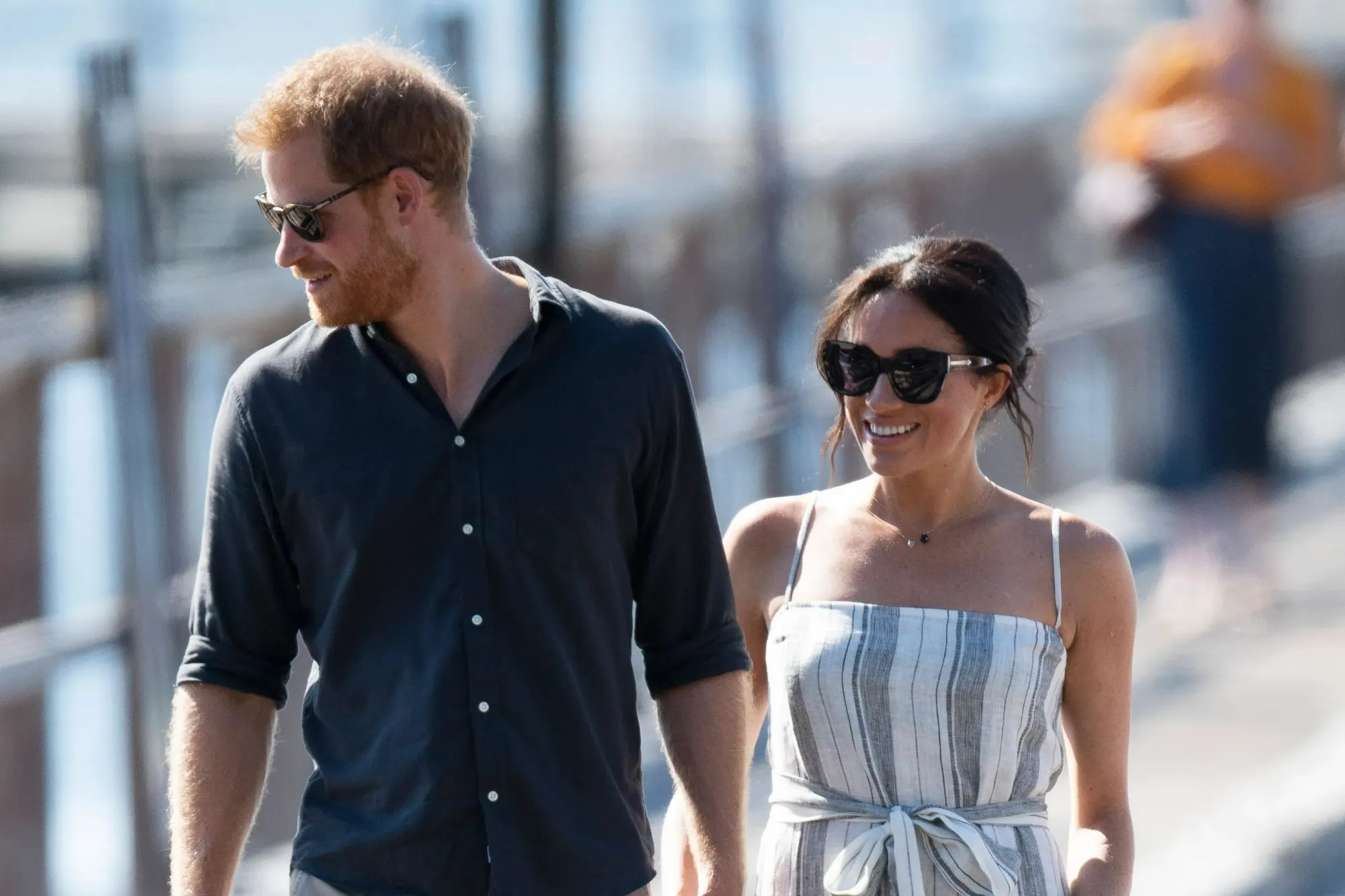
“Who would pay for Harry and Meghan? What security implications are involved?” Jobson questioned, highlighting the complex precedent set by their recent visit to Canada. Nickel added that such a trip risks muddying the waters in a Commonwealth realm and could invite unfavorable public comparisons, given the significant shift in Australian public opinion toward the couple since 2018.
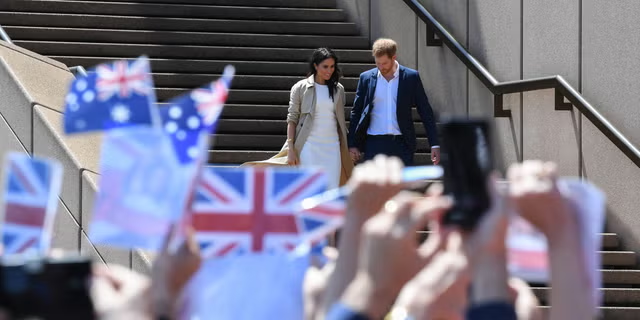
The 2018 tour stands as a pivotal, bittersweet chapter in modern royal history—a dazzling high point that simultaneously contained the seeds of a devastating rupture. It represents the last moment of unified hope for a “modernized” monarchy before the irreversible divide, underscoring how a crown united in public spectacle was fracturing behind palace walls.