Exclusive: Forensic Analysis Alleges Evidence Tampering in Infamous Garlasco Murder Investigation
A bombshell new analysis of official crime scene photographs from the 2007 murder of Chiara Poggi in Garlasco alleges that Carabinieri officers materially altered the scene, moving key pieces of evidence without documentation and potentially compromising the investigation. The findings, based on a chronological review of police files, suggest a series of unexplained actions inside the victim’s bedroom that experts claim violated fundamental forensic protocols.

The controversy centers on a sequence of photographs taken by the Carabinieri on August 13, 2007, on the second floor of the Poggi family home. Content creator and investigator Francesca Bugamelli, known as Bugalla, presented a detailed comparison showing the apparent movement of several items between shots. The analysis was initially prompted by work from researcher Gian Guido Zurli of ‘Archivio True Prime’, who chronologically ordered the case’s photographic evidence.
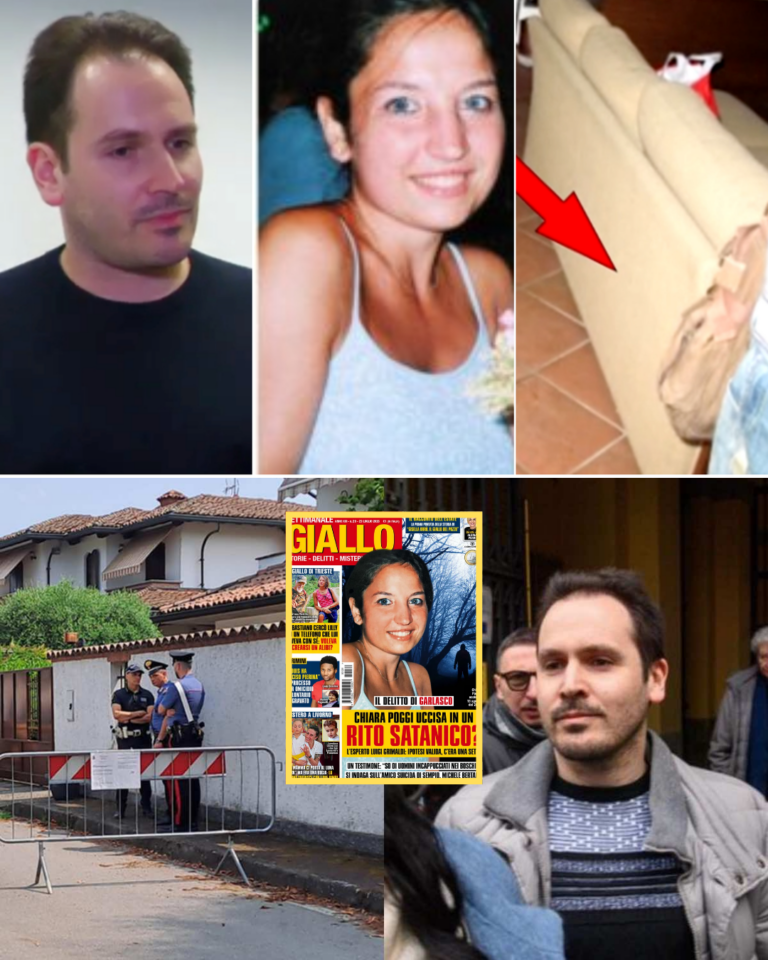
In the first image, three items are visible near a bed: a piece of the victim’s intimate clothing, a box of adhesive or glue, and a blank DVD case. The DVD case shows visible white marks on its surface. A subsequent photograph, taken minutes later from a closer angle, reveals dramatic changes. The box of glue has shifted position onto the DVD case, and the marks on the DVD case have vanished, leaving it appearing smooth. The intimate clothing now also appears to cover another item.

A third photograph shows further rearrangement. The glue box is no longer on the DVD case, a pillow has moved, and the intimate garment and the glue appear stacked together. Crucially, according to the analysis, neither the box of glue nor the DVD case were ever officially logged into evidence, despite their potential relevance in a violent murder investigation where the motive was unknown.
“We are looking at potential proof of voluntary acts by professionals called to investigate,” Bugamelli stated in her video report. “I would sincerely like an explanation from those directly involved.” She has publicly called for answers from the Carabinieri of Garlasco, the Vigevano Company, or Pavia Command, and specifically invited former case commander Captain Cassese to provide clarity on her platform.
Forensic experts stress that the cardinal rule of crime scene investigation is to document first in situ, and any movement of items must be meticulously recorded to preserve contextual integrity and chain of custody. The alleged unlogged movement of items that could have held DNA or fingerprints represents a significant procedural breach. “Everything present at the scene is crucial,” Bugamelli emphasized, noting that such items could be pivotal in constructing a narrative for a crime of passion.

The time stamps on the photographs, while themselves potentially incorrect, indicate a span of over two hours during which the officers were in the victim’s bedroom. This extended period, the analysis suggests, allowed for multiple errors. The core question raised is whether the movements were the initiative of individual officers or followed orders from superiors. No official explanation has been offered for the discrepancies highlighted.
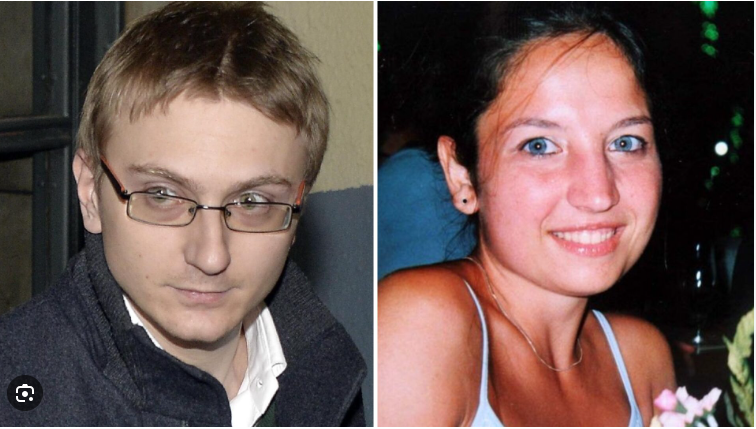
The murder of Chiara Poggi, a 19-year-old student found brutally beaten in her family home, remains one of Italy’s most haunting unsolved crimes. Her then-boyfriend, Alberto Stasi, was initially convicted, but was acquitted on appeal after a controversial trial based largely on circumstantial evidence. The case has been plagued by allegations of investigative missteps, and these new claims of evidence tampering are poised to reignite public and legal scrutiny.

Bugamelli’s investigation is part of a collaborative project called “Il Salotto Giallo,” which includes contributions from legal and forensic professionals like Professor Andrea Velardi and forensic pathologist Dr. Pasquale Bacco. The team has vowed to continue probing the case, promising a further revelation concerning Andrea Stasi in a forthcoming video. The photographic evidence in question has been made publicly available for independent review.
This development places immense pressure on the Carabinieri to provide a formal response. The allegations strike at the heart of the judicial process, suggesting that the very foundation of the investigation—the integrity of the crime scene—may have been compromised. Legal observers note that such claims could form the basis for renewed judicial appeals or requests to review the entire evidence collection procedure.
The families of both Chiara Poggi and Alberto Stasi have endured decades of uncertainty and pain. For them, any new evidence or allegation of procedural failure represents another agonizing turn in a long search for truth and justice. The public demand for transparency is now louder than ever, as these photographs pose uncomfortable questions about the handling of a national tragedy.
As the story develops, the focus will remain on the institutions tasked with upholding justice. Their willingness to address these serious allegations will be a critical test of accountability. The quest for answers in the Garlasco murder continues, now fueled by digital scrutiny and a persistent demand for clarity from citizens and investigators who refuse to let the case be forgotten.