The once-unassailable empire of Sean “Diddy” Combs has reached a new, stark milestone as publishing industry insiders report a universal rejection of his proposed jailhouse memoir. Sources close to major publishing houses confirm there are “absolutely no takers” for the project, signaling a profound and potentially permanent exile from the cultural and business realms he once dominated.
 This reported cold shoulder from publishers is not merely a snub but a definitive statement on his current standing. Insiders describe a landscape of “silence and disinterest,” where the Combs name is now seen as a liability too great to assume. The move to shop a book from behind bars is being interpreted by industry analysts as an act of desperation, not power.
“Powerful people don’t have to beg publishers to hear them out,” one veteran music executive noted. “They don’t have to float rumors to blogs to test the waters.” The effort is widely seen as a last-ditch attempt to control a narrative that has spiraled far beyond his grasp amid a cascade of serious lawsuits and a federal criminal investigation.
The financial underpinnings of the book push are also coming into sharp focus. With legal defenses mounting and asset freezes a reality, sources indicate the memoir is as much about generating liquidity as it is about legacy. His brand equity, once considered gold standard, is described by analysts as having “evaporated,” leaving few avenues for revenue.
 Legal experts are stunned by the timing, noting that authoring a book amidst unresolved litigation is fraught with peril. Every anecdote and assertion becomes discoverable material, potentially complicating his defense. Sources say even his own legal team is apprehensive about the project, hinting at a breakdown in strategic control.
The publisher’s reluctance stems from a tangible fear of legal and reputational fallout. “This is uninsurable,” a top literary agent explained. “You can’t fact-check around pending cases. No mainstream house wants that risk or the stain of being subpoena-adjacent.” This leaves self-publishing as the only viable, if humiliating, path forward.
For a figure of Combs’ former stature, self-publishing is a stark concession. It signifies a complete loss of institutional backing—no major press tour, no glossy rollout, no distribution clout. It would be, as one critic put it, “a man talking to himself, hoping the public mistakes volume for credibility.”

This publishing dead end coincides with what insiders describe as a total severance from major media platforms. Netflix, which aired the damning documentary “Sean Combs: A Reckoning,” is said to be “done” with the mogul and his legacy. The streaming giant’s decision is viewed as a bellwether for the entire entertainment industry.
“The cultural window is closed,” a Hollywood producer stated. “There is no redemption arc queued up, no comeback documentary. Once the platforms stop negotiating, all that’s left is shouting into the void.” This isolation renders a book project functionally obsolete before a single page is printed.
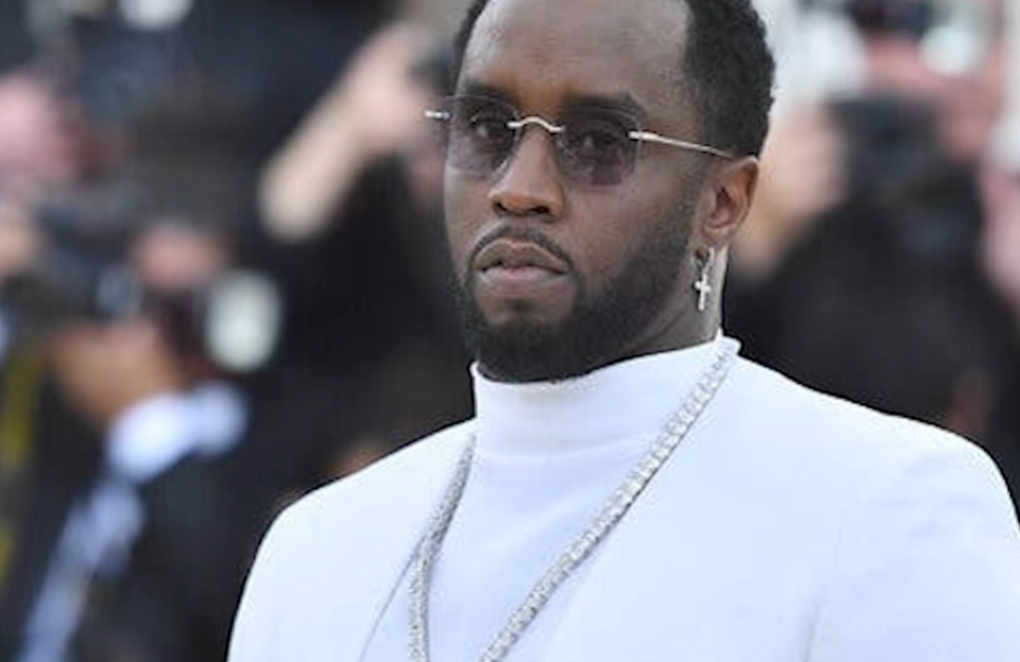
Public sentiment appears to have solidified against him, further dooming any potential memoir. The narrative hunger has been sated by court documents and investigative reports. “The public isn’t asking what really happened,” a media strategist observed. “They’re saying they’ve seen enough. This book feels late.”
The attempted book deal, therefore, transcends a simple publicity move. It is being read as a symbolic admission that his era of influence is conclusively over. The levers of power—media, finance, industry fear—no longer respond to his touch. The bridges, as one commentator noted, “don’t rebuild themselves just because you talk loud enough.”
Ultimately, the silence from publishers speaks louder than any manuscript could. It confirms that in the eyes of corporate America, Sean Combs is now radioactive. The reported book is not a cornerstone of a comeback but a testament to its impossibility, the final, echoing sound of every door locking shut.
This collective rejection from the publishing world may stand as the most definitive indicator of his fall. It is a market verdict on his story’s value, and the assessment is brutally clear: there is no appetite, no benefit, and no path forward within the traditional structures of power he once commanded.