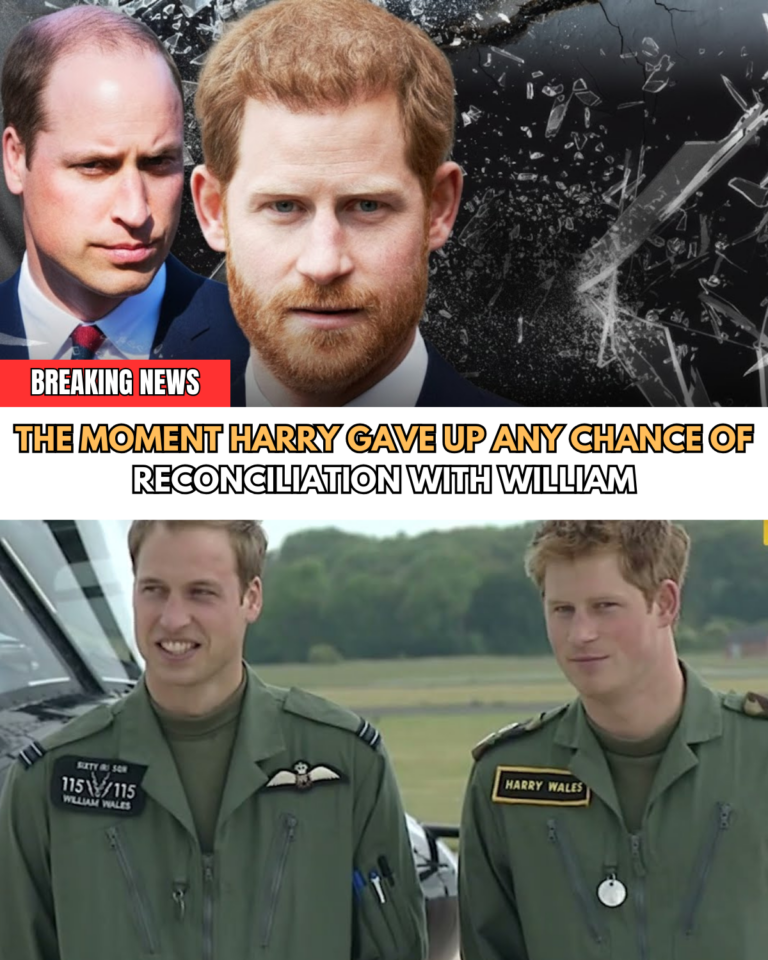
A bombshell new account of Prince Harry’s rushed visit to see King Charles III following the monarch’s cancer diagnosis reveals the meeting was deliberately cut short, with the King citing a non-existent medical procedure to end the encounter. The explosive claim comes from veteran royal author and historian Robert Hardman in his forthcoming book, The Windsor Legacy: A Royal Dynasty of Secrets, Scandal, and Survival, which provides unprecedented insight into the current fractures within the House of Windsor.
 According to Hardman, the Duke of Sussex took it upon himself to fly to the United Kingdom immediately after learning of his father’s diagnosis in early 2024. The King, fatigued from his new treatment regimen and the weight of the news, agreed to see his son but had no appetite for a prolonged or difficult discussion. The author reveals the meeting at Clarence House was intentionally truncated after a brief father-son exchange.
Hardman writes that an aide was arranged to interrupt the gathering, informing the pair the King required an immediate medical procedure. In reality, no such procedure was scheduled; the King simply needed to return to Sandringham by helicopter. This strategic intervention prevented the conversation from straying into fraught topics like finances, security, or Prince Harry’s ongoing disputes with other family members, particularly Prince William.
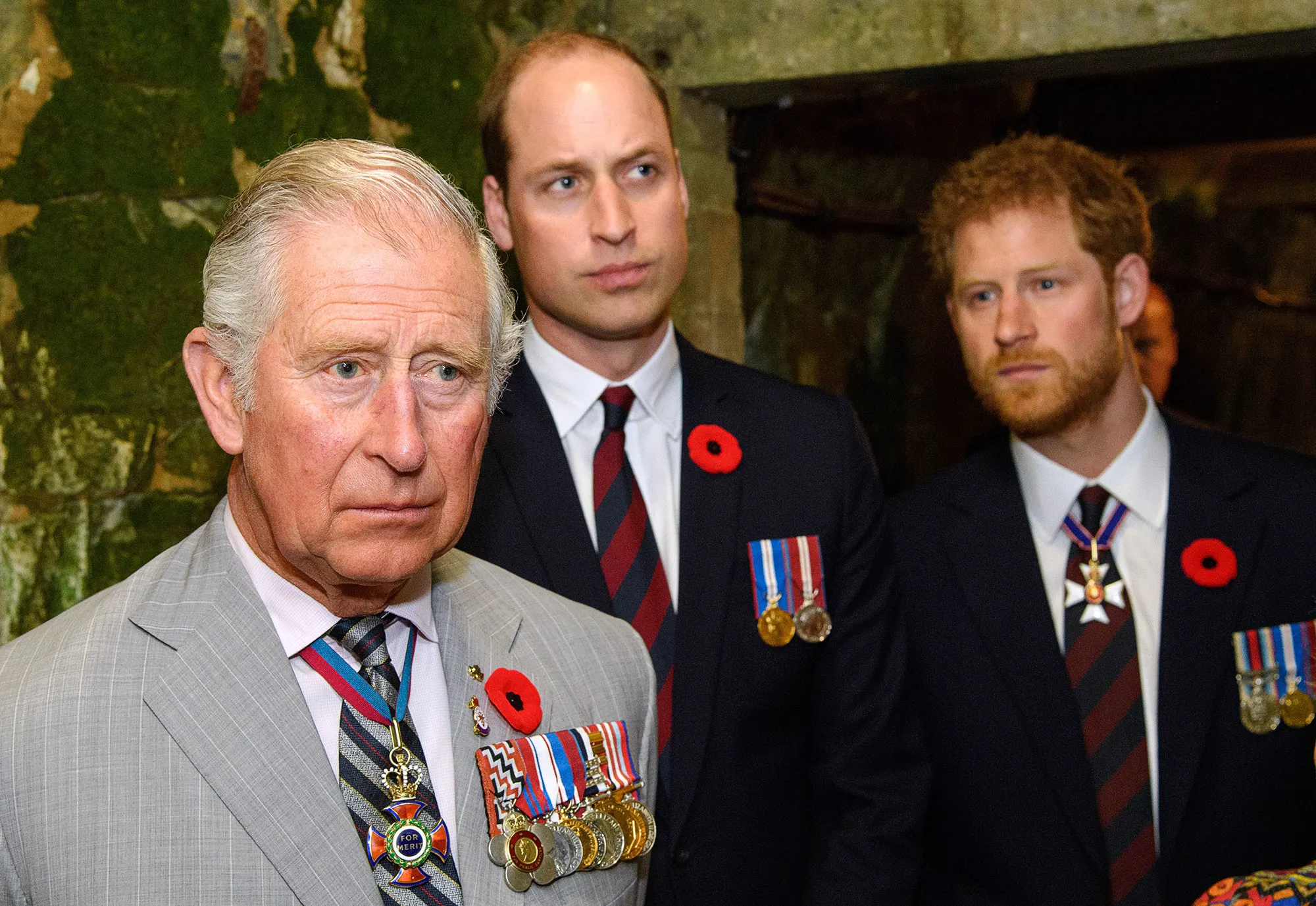
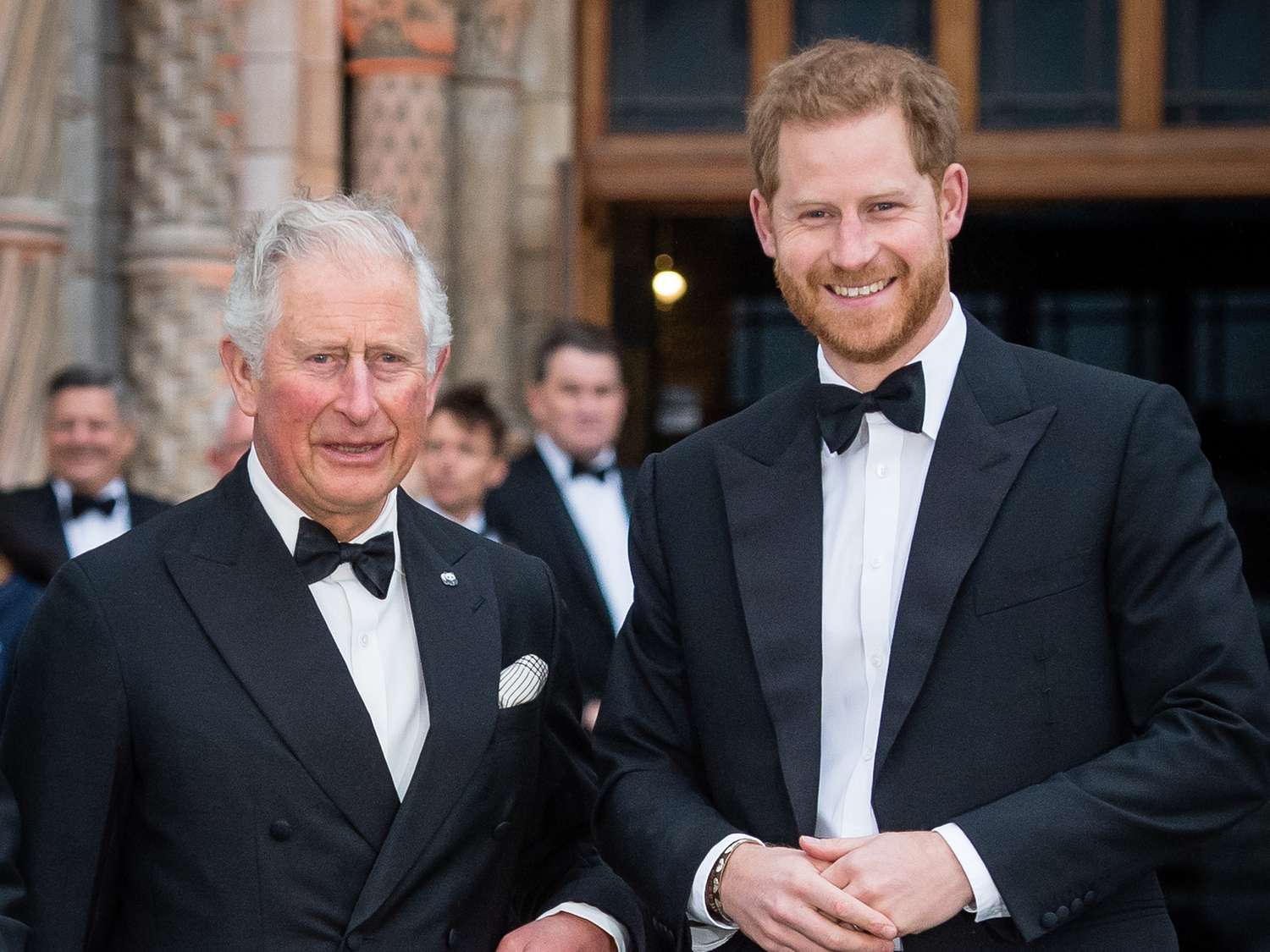
“It wasn’t a white lie, really,” Hardman clarified in an interview promoting the book, “but the fact is… he didn’t actually have to have a procedure. He had to get on a helicopter.” The author suggests the monarch, then 75, was “quite tired” and wary of a conversation that could become “pretty weary,” seeking instead a simple, supportive meeting. The revelation casts the widely publicized 45-minute reunion in a stark new light, underscoring the profound distance and diplomatic maneuvering now characterizing their relationship.
This intimate detail is among several startling disclosures in Hardman’s comprehensive work, which traces a century of monarchy from Queen Elizabeth II’s birth. The book identifies a recurring “problem of the spare” – the destabilizing turmoil caused by secondary heirs – threading from the abdication crisis of 1936 through Princess Margaret’s heartbreaks to the modern-day schisms involving Prince Andrew and Prince Harry. Hardman posits this pattern is the single greatest institutional challenge of the last hundred years.
In a startling anecdote illustrating the sometimes surreal operation of the royal machine, Hardman recounts a jaw-dropping security lapse involving the then-Duchess of Cornwall. While traveling to Canada, staff transporting her jewelry stopped for coffee at a service station near Heathrow. Neglecting protocol, all three left the vehicle unattended to get coffee and have a cigarette, allowing a bag of jewels to be stolen by a local gang.
Rather than involving the police, palace officials called upon intelligence services to track the criminals. A discreet deal was struck, the jewels were returned, and no charges were filed. Remarkably, none of the staff involved were fired. “It’s like a scene out of the Keystone Cops,” Hardman noted, expressing astonishment that such an incident could occur in the modern era. The episode highlights the unique, behind-the-scenes mechanisms the institution employs to manage crises and avoid public scandal.

The book also delves into the critical, evolving dynamic between King Charles and the Prince of Wales. Hardman describes a relationship that has not always been seamless, with past friction over Prince William’s insistence on piloting his own helicopter with his family aboard, despite objections from the late Queen and Charles. Other minor clashes involved the royal collection and traditional dress.
However, the author notes a decisive shift in the last eighteen months, with both men realizing the imperative to present a united front amid a drastically reduced pool of working royals. The King, aware his reign will not be a long one, is consciously passing the baton, though their visions for the monarchy’s future are not perfectly aligned. Charles seeks to modernize while retaining core supporters, a “delicate balancing act” as he appeals to new demographics without alienating traditionalists.
 On the seemingly intractable rift between the Prince and Princess of Wales and the Duke and Duchess of Sussex, Hardman is pessimistic. He draws a historical parallel to the irrevocable breakdown between King George VI and the abdicated Edward VIII, who drained millions from royal coffers. The current combination of geographical distance, infrequent contact, and a lack of common ground leads the author to a grim forecast.
“I personally don’t see it,” Hardman said of a future reconciliation between the brothers. He added it would be a profound shame if Prince William’s future reign were permanently defined by the feud, suggesting it would be better to find some common ground, but he holds little hope. This assessment dashes speculation of a thaw following the King’s illness, indicating the divisions are now structural and deeply entrenched.
The Windsor Legacy arrives as the monarchy navigates its most challenging period in decades, with the King and Queen undergoing treatment for cancer and a slimmed-down royal family under intense operational pressure. Hardman’s revelations, particularly the orchestrated brevity of the King’s meeting with his exiled son, provide a sobering look at the personal toll of these institutional crises and the calculated decisions made to preserve the crown’s stability above all else. The book is available now from major retailers.