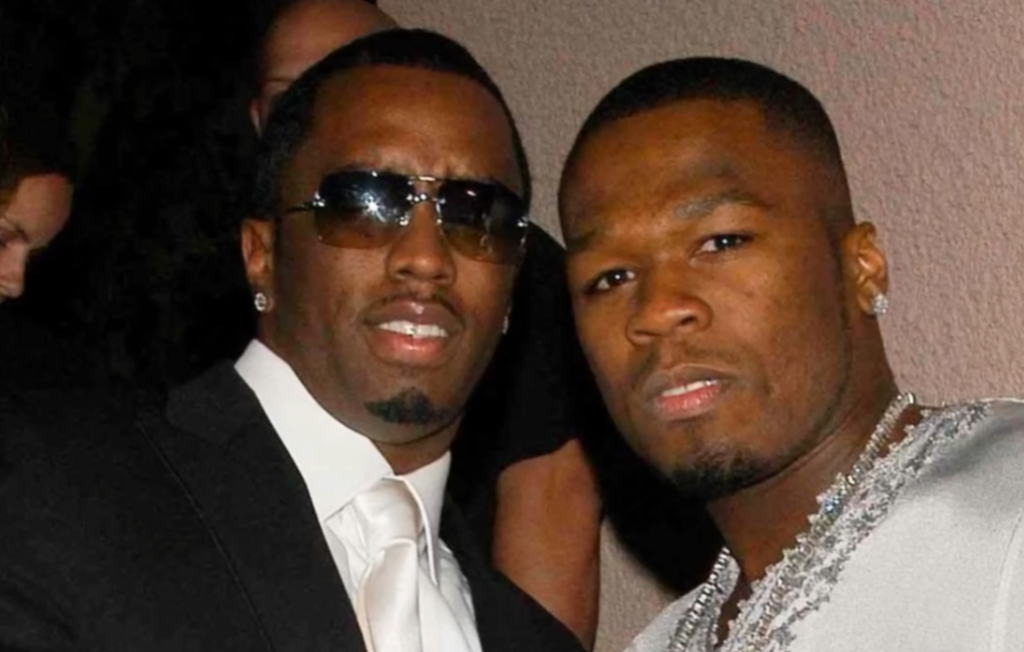
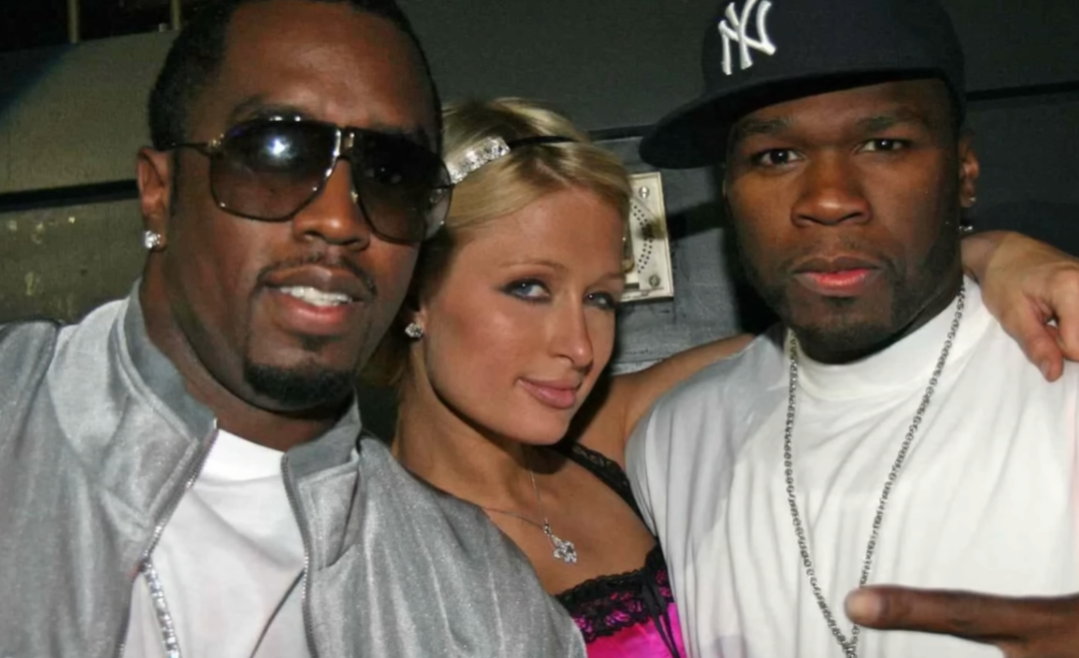
The escalating feud between hip-hop moguls has taken a darkly personal turn, with explosive new claims about the nature of a long-rumored relationship at its core. Rapper and media provocateur 50 Cent has leveled a bombshell allegation, suggesting fellow artist Ja Rule’s vigorous defense of Sean “Diddy” Combs stems from their past as “special friends.” The claim, supported by a former Combs bodyguard’s testimony, has ignited a firestorm across social media and entertainment news.
 This latest salvo comes after Ja Rule publicly criticized 50 Cent on Instagram, calling him a “rat” for his relentless online campaign against Diddy, who faces multiple civil lawsuits alleging sexual assault and sex trafficking. Ja Rule’s posts attempted to shift focus to 50 Cent’s own controversial past, referencing old abuse allegations and a suspicious fire at a former property. The attempt at deflection, however, spectacularly backfired.
In response, 50 Cent posted a direct quote from Gene Deal, a former security chief for Bad Boy Entertainment, on his Instagram. Deal’s anecdote, presented as firsthand testimony, describes a specific incident where he allegedly prevented Ja Rule’s cousin from entering a private room. Deal claims both Ja Rule and Diddy emerged from the room wearing only towels, with Diddy allegedly stating, “You ain’t want to go in that room cuz there a lot of freaking going on.” 50 Cent captioned the post, “In case you’re wondering why these people are saying very, very nasty things about me.”
The implication was immediate and devastating. By sharing Deal’s story, 50 Cent framed Ja Rule’s defense not as principled loyalty, but as deeply personal allegiance. This move effectively weaponized long-standing industry whispers, placing Ja Rule’s motivations under a harsh and humiliating public spotlight. The strategy mirrors 50 Cent’s infamous dismantling of Ja Rule’s career in the early 2000s, a history that adds profound context to the current clash.
Public reaction to Ja Rule’s initial posts was overwhelmingly negative, with many commentators questioning his judgment for defending Diddy amid such serious legal allegations. His subsequent attempt to clarify that his issue was with 50 Cent’s “moral savior” persona, not with Diddy’s legal predicament, failed to quell the criticism. This created the perfect opening for 50 Cent’s characteristically brutal counterattack.
Gene Deal’s emergence as a source provides a veneer of credibility to the allegations. Deal has become a prominent figure on YouTube, sharing numerous stories about his time with Bad Boy. His account offers a specific, salacious narrative that 50 Cent has now amplified to his millions of followers. The tactic raises the stakes from mere social media bickering to a conflict involving serious personal allegations.
The broader context is Diddy’s precipitous fall from grace. Once an untouchable music industry titan, he is now besieged by federal investigations and civil litigation. 50 Cent has positioned himself as a chief antagonist, using his G-Unit Film & Television studio to produce content like the documentary “Diddy Do It?” which explores the allegations against him. This has effectively crushed any potential for a public relations comeback.
Observers note a pattern of Diddy associates emerging to defend him, only to face immediate and severe backlash. Commentators have drawn parallels to similar, unsuccessful efforts by other figures connected to Diddy’s circle. Ja Rule’s intervention is seen as the latest in this line, with 50 Cent’s response designed to not only discredit him but also to deter others from speaking out.
The underlying message from 50 Cent and his supporters is a challenge: if Ja Rule or anyone else possesses exculpatory evidence or damning information on 50 Cent, they should take it to legal authorities, not to Instagram. This frames the online drama within the very real legal battles underway, suggesting social media posturing is a substitute for substantive action.
This feud transcends personal animosity, reflecting a pivotal cultural moment. It highlights the unraveling of longstanding impunity in the entertainment industry, where past behaviors are being re-examined under a modern lens. 50 Cent’s campaign, while often crass, has successfully kept allegations against powerful figures in the public eye, applying relentless pressure.
For Ja Rule, the consequences are acutely personal. His career never fully recovered from his previous rivalry with 50 Cent, and this new chapter threatens to permanently define his legacy. Being labeled Diddy’s “special friend” in this context carries a stigmatizing weight that could overshadow his musical contributions for a new generation of fans.

The situation remains fluid, with the potential for further revelations. Gene Deal’s continued public commentary and the ongoing federal investigations into Diddy’s affairs ensure this story will develop. 50 Cent has shown no sign of relenting, and Ja Rule’s options for an effective response appear limited after such a damaging personal attack.
This conflict serves as a stark case study in digital-age reputation warfare. 50 Cent has mastered the use of social media as a platform for narrative combat, leveraging old testimonies and personal attacks to achieve strategic dominance. His actions demonstrate how online platforms can be used to control a story’s trajectory, often bypassing traditional media gatekeepers.
The entertainment industry is watching closely, as the outcome influences how allegations of misconduct are discussed and confronted. The spectacle of two major artists engaging in such vicious public conflict over a third’s legal troubles is unprecedented in its scale and personal vitriol. It underscores a shifting power dynamic where social media influence can rival traditional industry clout.
Ultimately, this saga is more than a hip-hop beef; it is a reflection of a broader societal reckoning. The tools of cancel culture, celebrity influence, and legal accountability are colliding in a very public arena. The fallout will likely impact not just the careers of those directly involved, but also the protocols for how the industry handles allegations against its most powerful figures moving forward. The story continues to unfold, but one truth is already evident: in the court of public opinion, 50 Cent has once again proven to be a formidable and ruthless prosecutor.