The first public defense of Meghan Markle by Prince Harry, issued just weeks into their relationship, is now being characterized by royal experts as a catastrophic misstep that set a paranoid and adversarial tone from the outset, potentially dooming the union before it truly began. This explosive revelation comes from a panel of seasoned royal commentators revisiting the couple’s formative year for a special retrospective, who argue the palace and public were overwhelmingly supportive until Harry’s unprecedented intervention.
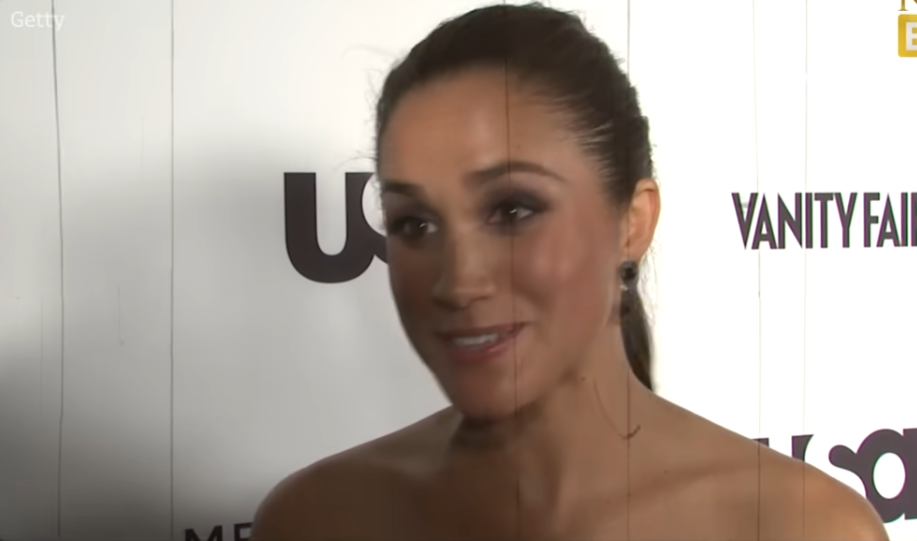
 In October 2016, the news that Prince Harry was dating an American actress and divorcee sent shockwaves through the royal ecosystem. The initial coverage, experts insist, was largely celebratory. “We loved Meghan. We thought everyone did,” said royal biographer Ingrid Seward, recalling the “gorgeous” Vanity Fair cover where a beaming Markle declared she was “wild about Harry.” Public and press sentiment, according to the panel, was one of optimistic fascination with this modern, glamorous addition to The Firm.
The critical turning point arrived abruptly in November 2016. After only a few months of dating, Prince Harry’s communications team issued a formal statement condemning the “wave of abuse and harassment” directed at Meghan, citing “racial undertones” in media coverage. This move stunned observers. “I just couldn’t believe it when he did that,” stated commentator Phil Dampier, who was covering the story at the time. “Looking back, I think there were one or two remarks… that made some rather unpleasant remarks about her background. But generally speaking, 99% of the coverage was overwhelmingly positive.”
This defensive stance, the experts contend, revealed a fundamental disconnect and planted seeds of distrust that would later flourish. Dampier described the statement as a “really bad, bad beginning” that showcased “Harry’s kind of paranoia.” The narrative of persecution, they argue, was established by the couple themselves almost immediately, long before the intense scrutiny of their engagement and wedding. This perspective challenges the core grievance presented in the couple’s later Netflix documentary and Harry’s memoir, Spare.
The experts highlighted the stark contrast between this early defiance and the royal family’s genuine hopes for the partnership. They revealed that Queen Elizabeth II was initially enthusiastic, seeing in Meghan a modernizing force and a potential asset for the Commonwealth. The monarchy, still buoyed by the success of William and Kate’s marriage, was primed for another “glamorous couple” to energize the institution. The need for a fresh narrative was widely acknowledged within palace circles.
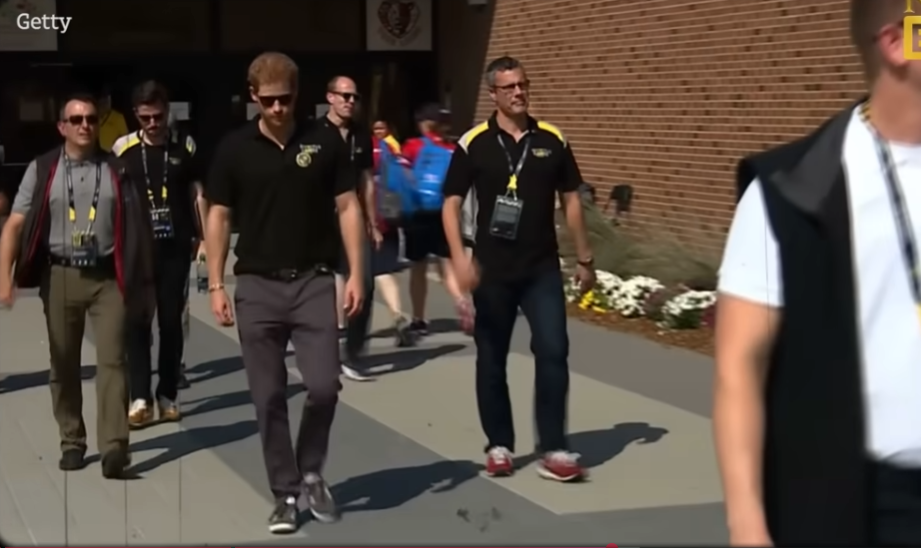
Meghan’s long-awaited public debut alongside Harry at the 2017 Invictus Games in Toronto was meant to be a triumphant unveiling. Dampier, who was on the ground, described a tightly controlled operation by the couple’s team, but a moment of pure, unscripted validation. “The moment I saw her turn up for that, I knew they were going to get married,” he said. The image of them hand-in-hand, smiling in the sunshine, was globally transmitted as the dawn of a new, happy era for the popular prince.
Beneath the curated photo opportunities, however, the experts suggest a more calculated reality was taking shape. Seward offered a blunt retrospective assessment: “I just personally don’t think that Meghan ever had the slightest intention of staying in the royal family. I think she just saw it as a career move.” This viewpoint posits that the relationship was, from one side, a transaction—a gateway to unparalleled global fame that could later be monetized, a plan now evidenced by their lucrative commercial deals with Netflix and Spotify.
The panel drew a poignant, and perhaps prophetic, parallel to the only other royal entrant of comparable impact: Diana, Princess of Wales. They noted Meghan was 36 when she entered the royal spotlight—the exact age Diana was when she died. “We think of her as a young, glamorous woman, but she was a 36-year-old divorcee who, for want of a better phrase, had been around the block a few times,” Seward reflected. This life experience, they imply, made her far more savvy and strategically prepared for the fame game than a younger, more pliable newcomer might have been.

The digital age fundamentally altered the stakes of this royal integration. The experts acknowledged that while Diana faced a voracious press, Meghan and Harry were subjected to the relentless, unregulated amplification of social media and online trolling—a new and potent psychological battlefield. Yet, they maintain that the couple’s decision to internalize and publicly fight this hostility, rather than relying on established palace media protocols, created an insurmountable rift with both the institution and the British press corps.
This forensic examination of Year One paints a portrait of a relationship burdened by pre-emptive grievance. The experts conclude that Harry’s unresolved trauma from his mother’s treatment by the media manifested in a fiercely protective stance that interpreted standard royal scrutiny as malicious attack. Combined with Meghan’s alleged ambition and misunderstanding of the institution’s constraints, this created a feedback loop of suspicion and victimhood. The “happily ever after” that seemed destined in Toronto, they argue, was undercut from the start by actions and attitudes that made a harmonious future within the monarchy almost impossible. The legacy of those first few months, a period the public remembers as a fairy-tale beginning, is now being recast as the origin story of a bitter and irreversible rupture.