Palace Sources Dismiss Notions of Royal Return as “Tea and Cake” Mistaken for “Treaty of Versailles”
 A narrative of reconciliation and a potential semi-royal return for the Duke of Sussex is facing a stark reality check from within the monarchy’s walls. Following Prince Harry’s brief visit to the UK and a meeting with his father, King Charles III, speculation surged about a negotiated role for the Duke. However, senior sources are now forcefully pushing back, framing the encounter as a fragile personal moment, not a diplomatic breakthrough.
The weekend saw reports of alleged high-level talks between the King’s and Harry’s teams, discussing the possibility of shared engagements and a part-time working return for the Duke. One claim suggested Harry’s recent trip was intended to demonstrate to the Prince of Wales that he could shoulder some of the royal workload. These notions have been met with profound skepticism and outright denial from commentators and, critically, from the palace itself.
“I simply don’t believe that there is a conversation for him to come back half in, half out or in any capacity,” stated one royal analyst, capturing the prevailing mood. This sentiment is echoed authoritatively from within the institution. A pointed comment from those close to the King and Queen framed the disconnect: “Maybe Harry’s team are mistaking tea and cake with the Treaty of Versailles.”
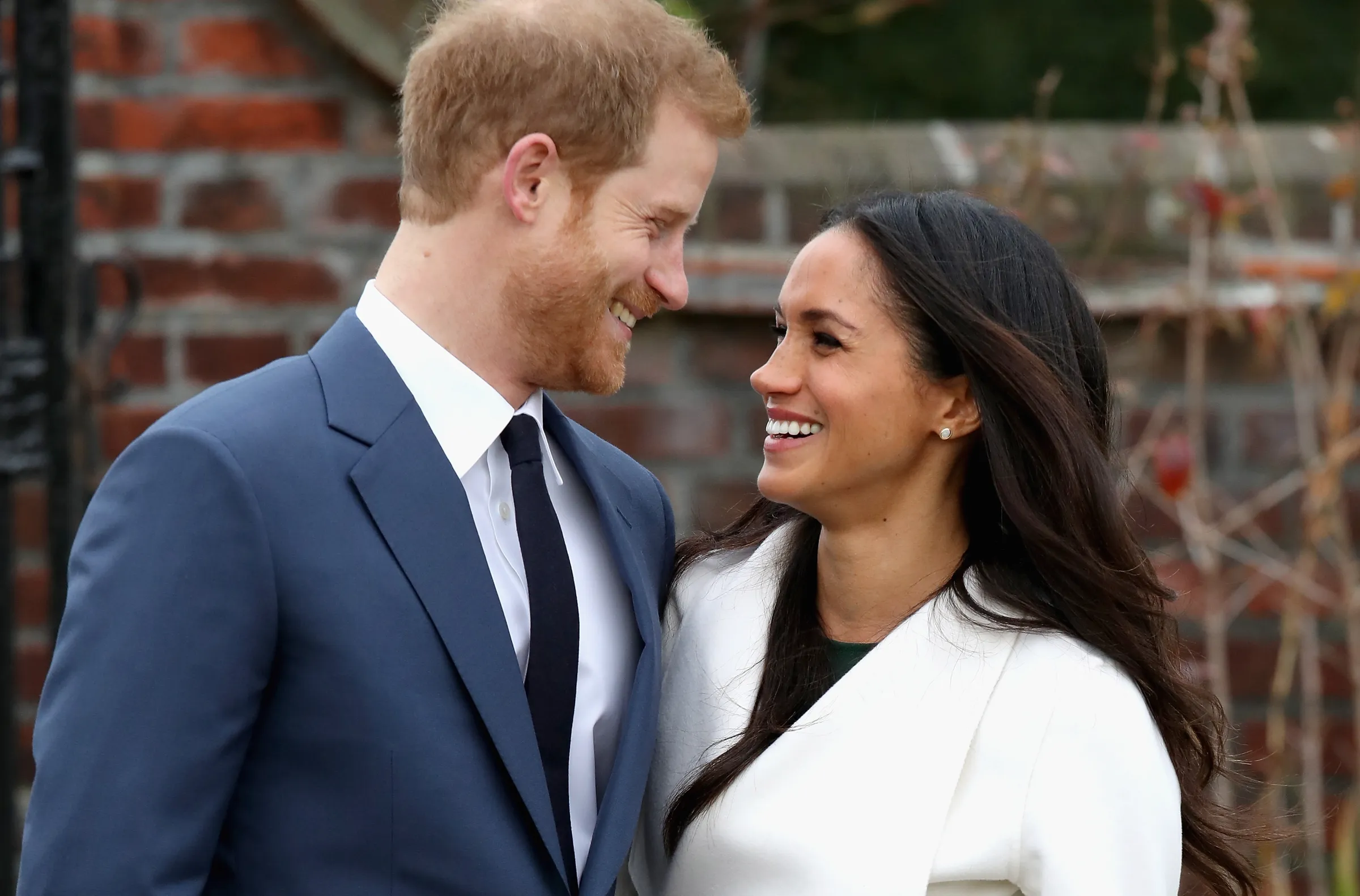
This damning analogy underscores the palace’s position: a private family meeting does not equate to a resolution of the deep, institution-shaking conflicts of the past five years. It certainly does not signal a reversal of the fundamental settlement reached in 2020, when the Sussexes stepped back as senior working royals. “You signed this deal years ago. There’s no chance of a half in, half out deal. You can’t do it,” emphasized one source.
The primary, and perhaps insurmountable, obstacle remains the relationship between the two brothers. The Prince of Wales, now bearing immense responsibility as heir to the throne, is reported to be on severely strained terms with Harry. Analysts question how they could function as even distant colleagues within the same institution. “In what world can they possibly be even distant colleagues, which is what it would effectively be? It is completely untenable,” noted an observer.
Further complicating any fantasy of a return is the nature of the attention Harry now commands. His every move in a UK context is overshadowed by the controversies laid bare in his memoir, interviews, and documentary series. “The coverage around him is not about the causes he would be championing… It would always be about the controversies of the last five years,” one commentator said, suggesting this media frenzy would be a perpetual distraction from official duties.
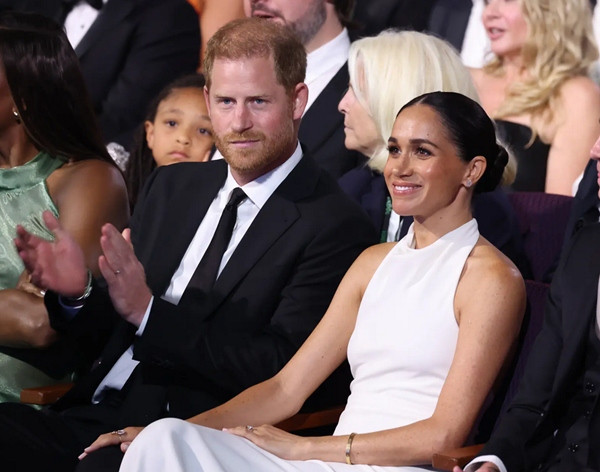
The shadow of history also looms large. Commentators draw a direct parallel to the last royal exile, the Duke of Windsor, who abdicated in 1936. He, too, found there was no path back to a formal role on his own terms. “You couldn’t have two kings. And in this case, I don’t think you can have two princes,” one historian remarked, highlighting the constitutional and practical impossibility of a dual-center monarchy.
Despite the firm institutional line, the human dimension of the rift is a source of acknowledged sadness. King Charles has been widely praised for maintaining a dignified silence in the face of public criticism from his son and for “leaving the door open.” His poignant reference to Harry and Meghan in his first address as King—“I wish them well as they form their new life overseas”—is now seen as a definitive statement of their external status.
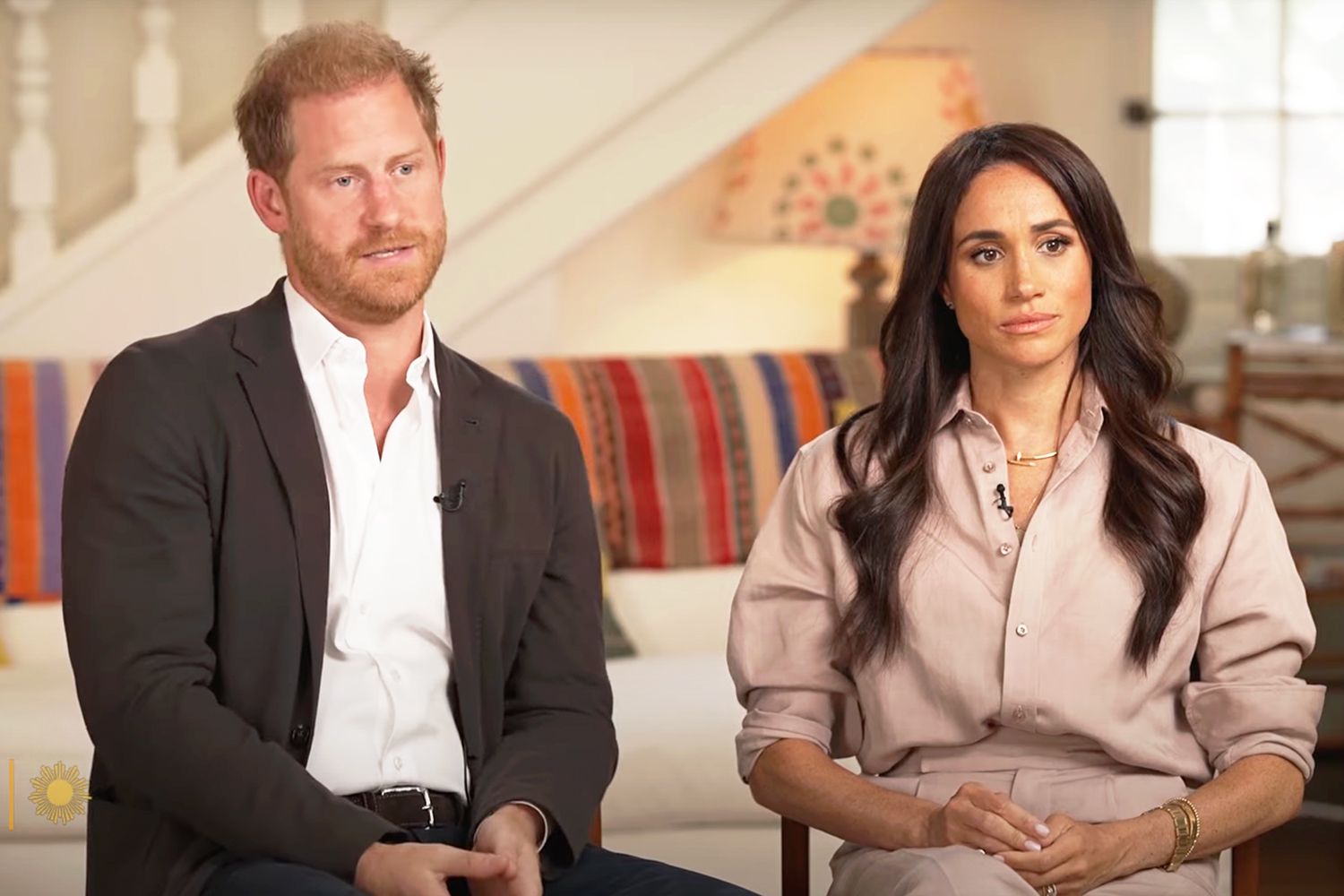 The path to any genuine reconciliation, observers argue, remains steep and likely requires private contrition. “When he met the King, he should have got down on bended knee and apologized for everything that’s happened,” said one commentator, though they admitted no one knows what was privately said. The absence of a public or privately-briefed apology from Harry is seen as a significant barrier to rebuilding burnt bridges within the family structure.
For now, the Sussexes’ life and work remain firmly anchored in Montecito. The idea that the Duke might resume official duties, even on a limited basis, is being categorically dismissed at the highest levels. The King’s meeting with his son is being framed not as a summit, but as a personal gesture—a cup of tea, not a peace treaty. The palace’s message is unambiguous: the door to family reconciliation may be ajar, but the gate to a royal role is firmly shut and bolted.
The narrative of a triumphant return has been, for the moment, decisively quashed. Yet, in the absence of clear official statements, the cycle of speculation is expected to continue. The fundamental tensions—between private healing and public duty, between personal desire and institutional protocol—remain unresolved, ensuring the Sussex saga will continue to generate headlines, even as the prospect of a royal reset is declared dead.