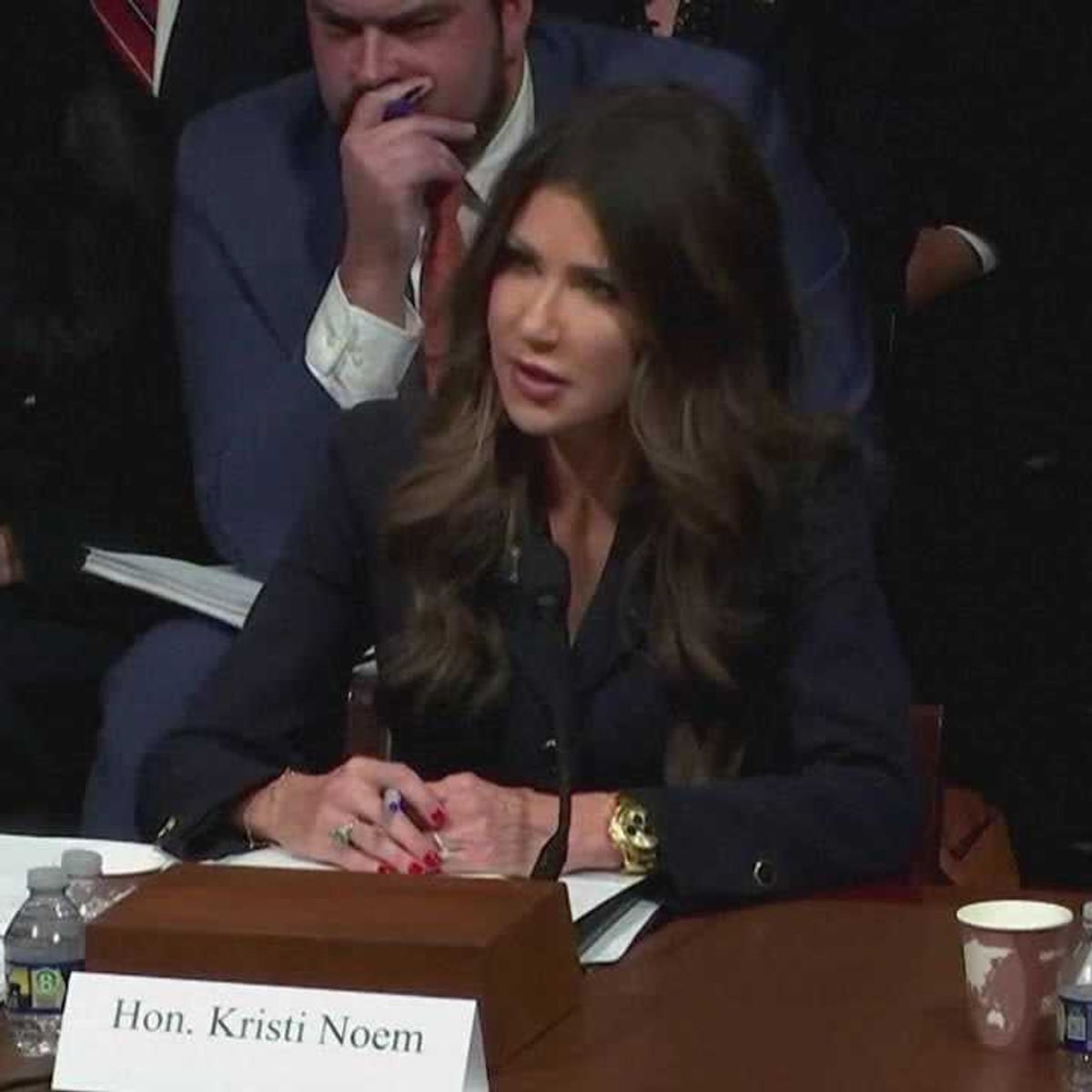
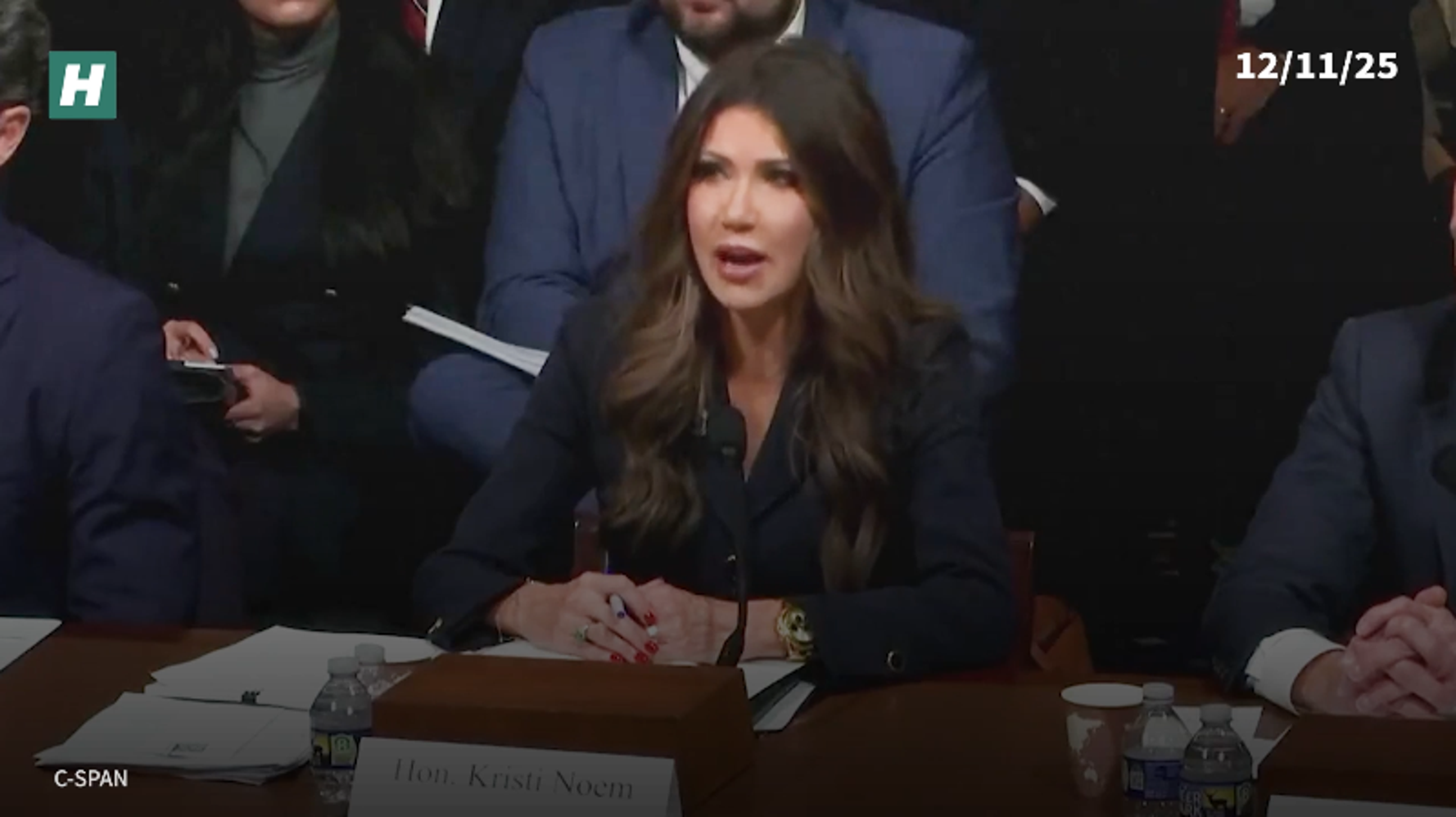
In a shocking display of evasion and political theater, Department of Homeland Security Secretary Kristi Noem abruptly abandoned a heated congressional hearing, leaving lawmakers and the public stunned. Under intense scrutiny over the actions of ICE and Border Patrol, Noem fled mid-questioning, falsely citing a FEMA review council meeting as her reason. The truth unraveled quickly: the meeting had been canceled nearly half an hour before her early exit, exposing a calculated attempt to dodge accountability. Moments later, Noem was seen lingering in the Capitol hallways clutching a baby—an apparent ploy to garner sympathy—drawing widespread outrage and condemnation for her disrespect to the hearing process and the American people demanding answers.

The chaotic hearing erupted as members of Congress pressed Noem on the controversial operations and abuses tied to ICE and Border Patrol. Instead of facing these tough questions, Noem chose to leave abruptly, claiming she had to prioritize a FEMA council meeting. This excuse quickly fell apart when it was revealed that the council meeting, which she co-chairs, had been canceled twenty to thirty minutes before her early departure. The revelation left Congress and observers questioning her integrity and commitment to transparency.
Rather than addressing the fierce criticism inside the hearing room, Noem retreated into the Capitol hallways. There, she was seen holding a baby, an act widely interpreted as a cynical, manipulative effort to wield a child as a political prop to soften the backlash and stall further inquiries. Witnesses and staffers expressed disbelief and frustration, emphasizing the disrespect her actions showed to the legislative process and the seriousness of the issues at hand. This spectacle ignited a firestorm across social and mainstream media, amplifying calls for accountability.
The aborted FEMA review council meeting at the center of Noem’s fabricated excuse is itself shrouded in controversy. The council, dominated by Trump-era appointees loyal to the former administration’s agenda, was slated to deliver plans that would drastically overhaul FEMA by decentralizing emergency management to states and municipalities. Critics have long warned these changes would dismantle the federal government’s capability to respond effectively to disasters, raising alarms about public safety and preparedness nationwide. The council’s abrupt cancellation added fuel to the mounting distrust surrounding Noem’s tenure.
Meanwhile, the hearing proceeded without Noem, with other witnesses facing rigorous questioning. Democratic Congressman James Walkenshaw of Virginia seized the moment to highlight pervasive dysfunction within the current Republican-led Congress and the disastrous policy directions undermining public welfare. Walkenshaw’s pointed critique illuminated the broader political turmoil, emphasizing the absence of leadership and accountability that Noem’s departure starkly symbolized. The hearing became a showcase for escalating partisan conflict and governmental disarray.
Adding to the tension, discussions during the hearing touched on critical national security topics, including FBI counterterrorism efforts and the fluctuating designation status of extremist groups—subjects that demanded careful and sustained oversight. Noem’s abrupt exit deprived Congress of the opportunity to probe these essential issues thoroughly. Lawmakers condemned her abrupt departure as an abdication of duty and a blow to public trust, underscoring the urgent need for transparent governance.
The fallout from Noem’s actions is reverberating through political circles and across the American public. Calls have intensified for stronger oversight of DHS operations and for answers on the allocation of taxpayer funds, allegations of corruption linked to contracts steering immense resources to political allies, and the authorities’ failure to address critical threats such as child exploitation and illegal smuggling. Noem’s conduct is now at the center of a broader national conversation about governance, accountability, and the use of power.
Observers note the political implications extend beyond this immediate scandal. The fractured trust in DHS leadership reflects wider fractures within the Republican Party and the federal government’s capacity to serve and protect. As congressional hearings continue and investigations deepen, Noem’s fleeing from accountability has become a symbolic moment of recklessness and evasion at the highest levels of government, shaking confidence in America’s security institutions.
The incident also raises poignant questions about the tactics used by public officials to elude scrutiny, including emotional manipulation and misinformation. Noem’s use of a baby in the Capitol hallway as a shield against criticism drew sharp rebukes across party lines, underscoring ethical boundaries breached in the pursuit of political survival. The public’s outrage signals a broader demand for dignity, respect, and responsibility from elected and appointed leaders during times of crisis.
With the DHS Secretary’s credibility in tatters, congressional committees are expected to escalate their investigations and press for full transparency. Lawmakers and watchdog groups vow to uncover the extent of mismanagement and corruption hinted at during the hearing. The urgent call is clear: America’s vital security agencies require strong, accountable leadership, not calculated evasion and political posturing.
As the dust settles from this explosive event, it remains to be seen how the Department of Homeland Security and the administration will respond. For now, Kristi Noem’s refusal to face tough congressional questioning and the subsequent revelation of her deceit have ignited fierce debate about the state of federal leadership and the future direction of crucial homeland security operations. The American people—and Congress—demand answers, and the clock on accountability is ticking relentlessly.