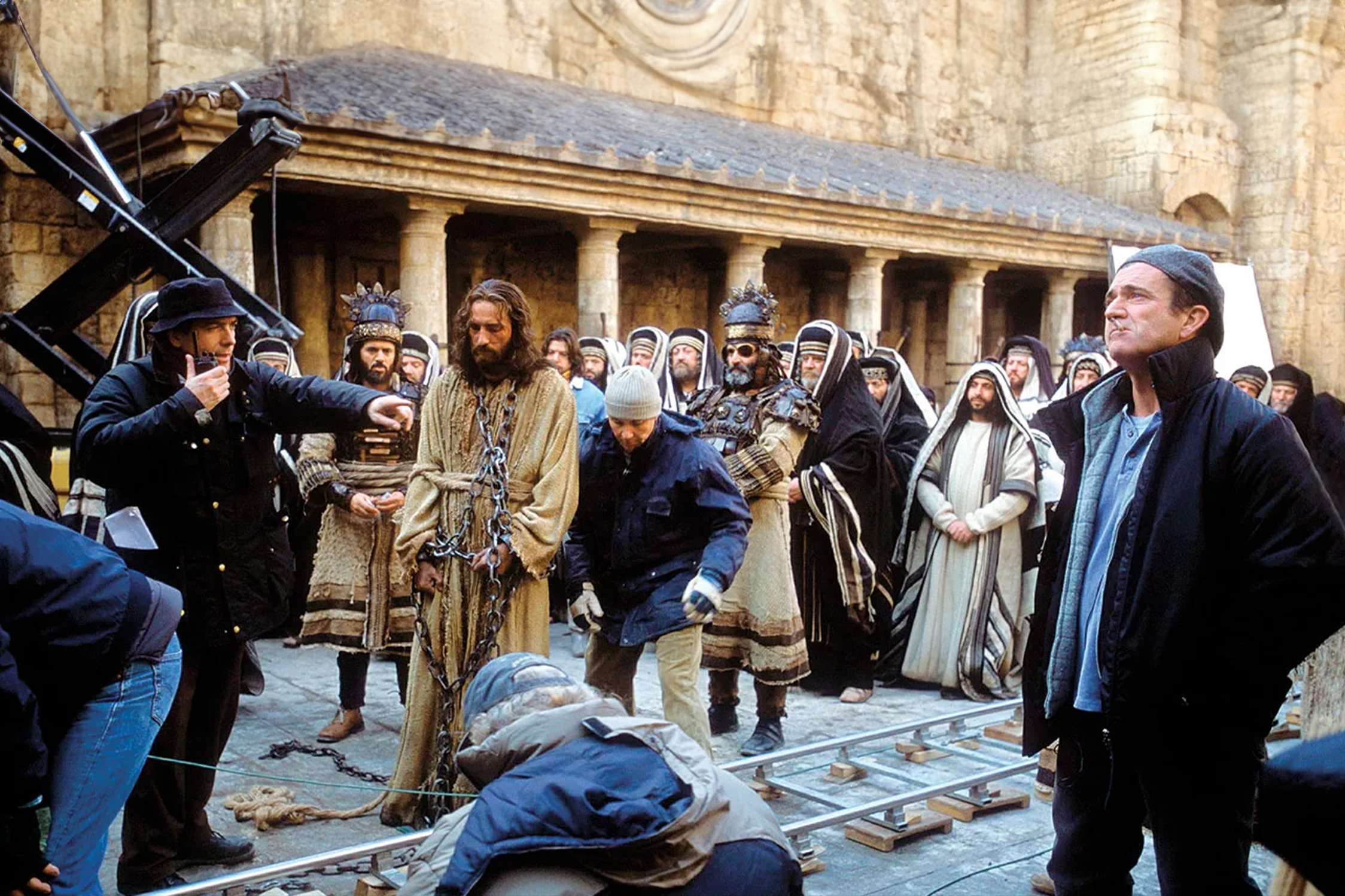
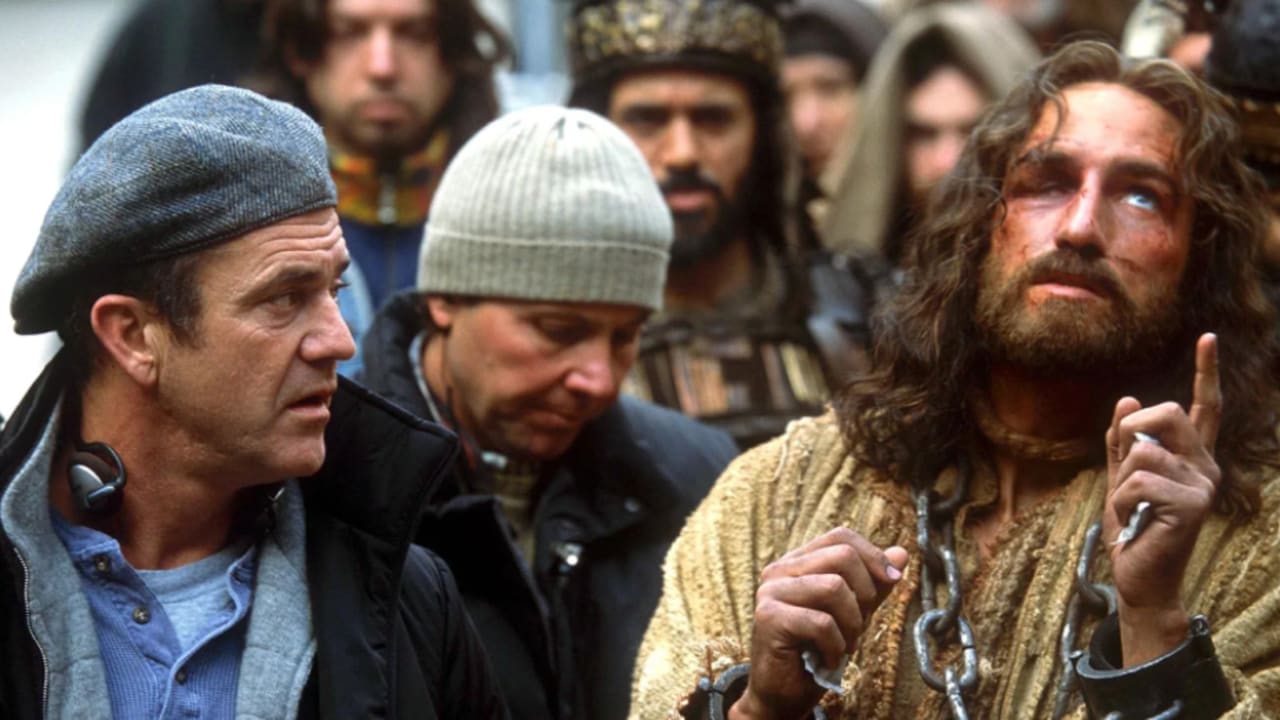
A new cinematic revelation is poised to redefine the foundational story of Christianity, promising to unveil the untold cosmic battle waged between the cross and the empty tomb. Director Mel Gibson, in developing the long-awaited sequel to The Passion of the Christ, is drawing from mystic visions to depict a resurrection narrative never before captured on film.
Gibson has revealed his project will focus intensely on the mysterious Saturday, the silent day often passed over in traditional Easter accounts. He aims to explore the spiritual realms, stating the resurrection is a “cosmic earthquake.” This is not a simple re-telling of a man walking from a grave. The director’s primary source beyond scripture is the detailed revelations of St. Catherine Emmerich, a 19th-century German nun. Her intense visions provide a frame-by-frame account of events both on Earth and in the unseen spiritual world during those three pivotal days.
The narrative begins at the moment of Christ’s death on Golgotha. According to Emmerich’s accounts, the tearing of the Temple veil was accompanied by a spiritual tremor that stunned priests and unsettled Pontius Pilate in his palace. The event was far more than a physical death.
At the foot of the cross, Roman centurion Longinus experienced a profound conversion. As blood and water from Christ’s side touched him, he uttered the transformative confession, “Truly, this was the Son of God.” This moment marked the first fracture in the enemy’s line.
The burial of Jesus by Joseph of Arimathea and Nicodemus is described as a sacred, worshipful act. Emmerich’s visions detail an Ethiopian servant assisting them as they anointed the body with sacred oils, filling the air with an otherworldly fragrance that lingered as a subtle sign.
A tomb sealed by a massive stone and guarded by sixteen Roman soldiers became the epicenter of divine activity. Yet, even with this military security, a divine process had already begun. A sweet, sacred fragrance lingered, detectable only to the pure-hearted like Mary and John.
While Christ’s body lay wrapped in linen, His spirit descended into Sheol, the realm of the dead. Emmerich describes this not as a passive descent but as a victorious invasion. He entered as a king to liberate the righteous souls of the Old Testament who awaited redemption.
The confrontation in the underworld was one of absolute authority. Dark forces and deceiving spirits rose to resist, but Christ’s mere presence dissolved them. No battle was fought; truth itself vanquished the shadows, melting them like fog in brilliant sunlight.
Christ then led a triumphant procession of liberated souls—Adam, Eve, Abraham, Moses, David—out of captivity. This spiritual exodus emptied the “limbo of the righteous.” Angels descended to guide them to a heaven whose gates were now flung open for the redeemed. This harrowing of hell, Gibson suggests, is the crucial, unseen victory. It represents the moment death itself was plundered from within. The Messiah the world mourned as dead was simultaneously setting the very foundations of creation free from ancient bondage.
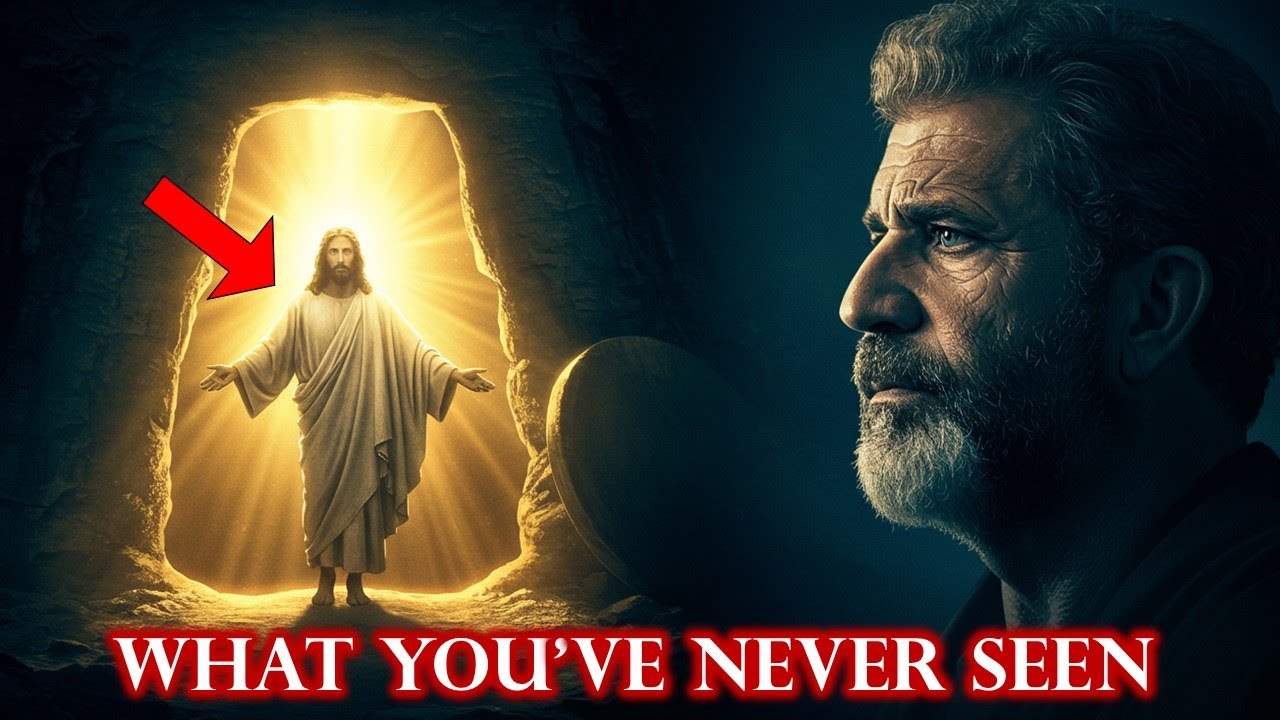
As Sunday dawned, the guarded tomb became the site of impossible light. Emmerich describes Christ’s body lifting from the stone slab, His wounds glowing with radiant light rather than pain. The linen burial cloths fell away, folded neatly and deliberately by an unseen hand.
The massive stone sealing the tomb was rotated gently, as if time itself paused. Two angels descended in blinding white, their presence overwhelming the Roman guards, who collapsed unconscious. Their shadows were burned onto the garden walls by the divine flash.
Jesus emerged, His garment shimmering with unearthly light. Emmerich writes that the natural world responded instantly; plants bowed and flowers turned, recognizing their Creator. He did not linger but appeared instantly miles away to His mother, Mary, bringing her peace.
The first human witness was Mary Magdalene, who arrived grieving at dawn. Failing to recognize the risen Christ through her tears, she thought Him the gardener until He spoke her name: “Mary.” This intimate moment of recognition launched the proclamation of resurrection.
The disciples, hiding in fear, were visited by Christ appearing bodily in their locked room. To dispel doubts, He ate food before them, grounding the miracle in physical reality. For the doubting Thomas, He later offered His wounds to touch, prompting the confession, “My Lord and my God.”
For forty days, Christ appeared in moments of profound intimacy and restoration. He walked with disciples on the road to Emmaus, revealing Himself in the breaking of bread. He visited Lazarus and his sisters, filling their home with a peace that altered even the birdsong.
The culmination was the Ascension on a Galilean mountaintop. Before hundreds of witnesses, Christ, clothed in radiance, declared all authority was His and commissioned His followers. He then ascended into heaven, promising His perpetual presence until the end of the age. The promise was fulfilled explosively at Pentecost. As the disciples prayed, tangible flames rested on them, and they spoke in unlearned languages. Peter, once broken by fear, preached boldly, and three thousand believed that day, igniting the birth of the Church.
The resurrection’s power manifested immediately. Miracles flowed through the apostles; even Peter’s shadow healed the sick. The message spread uncontrollably, reaching Africa, transforming the persecutor Saul into Paul, and setting a spiritual fire across the Roman world. Gibson’s forthcoming film seeks to capture this expansive, cosmic scope. It aims to portray the resurrection not as a solitary miracle but as the turning point of all history, a divine victory that permanently altered the relationship between heaven, hell, and humanity.
The director’s exploration promises to challenge audiences to see Easter anew. By illuminating the hidden battle and the intimate victories of those three days, the project underscores a personal truth: the resurrection is an ongoing invitation out of our own darkness into light.