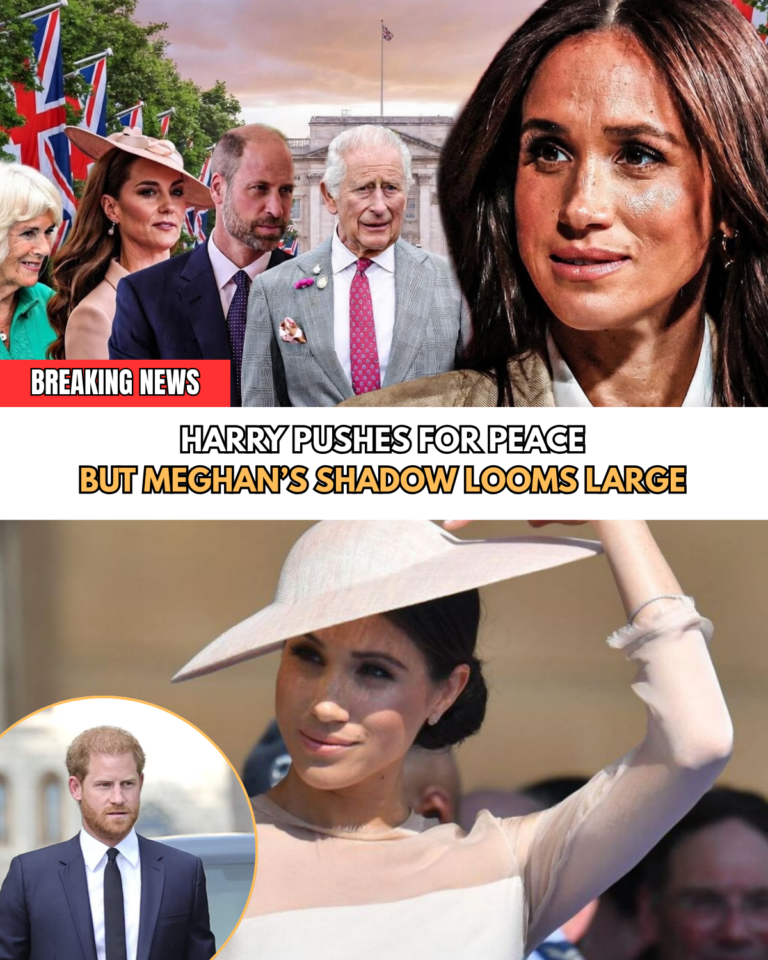
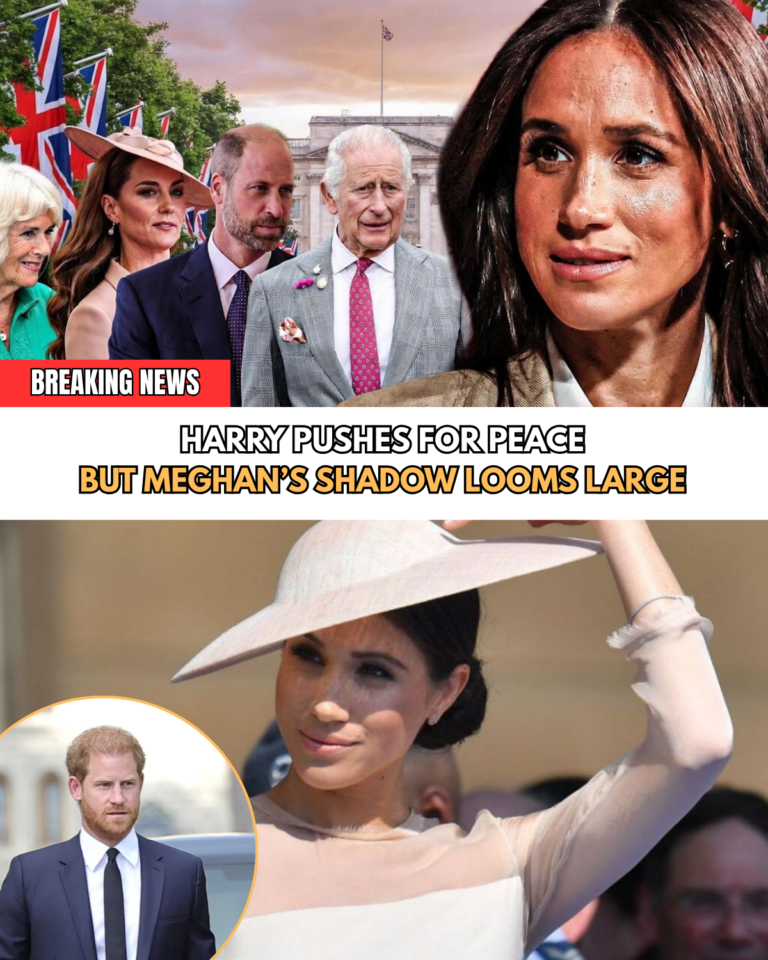
When Prince Harry accused the Royal Family of being willing to “lie” to protect his older brother, Prince William, it marked one of the most explosive moments in modern royal history. At the time, the claim appeared in the trailer for Harry & Meghan, the Netflix documentary series that would go on to deepen one of the most painful family rifts the monarchy has faced in generations.
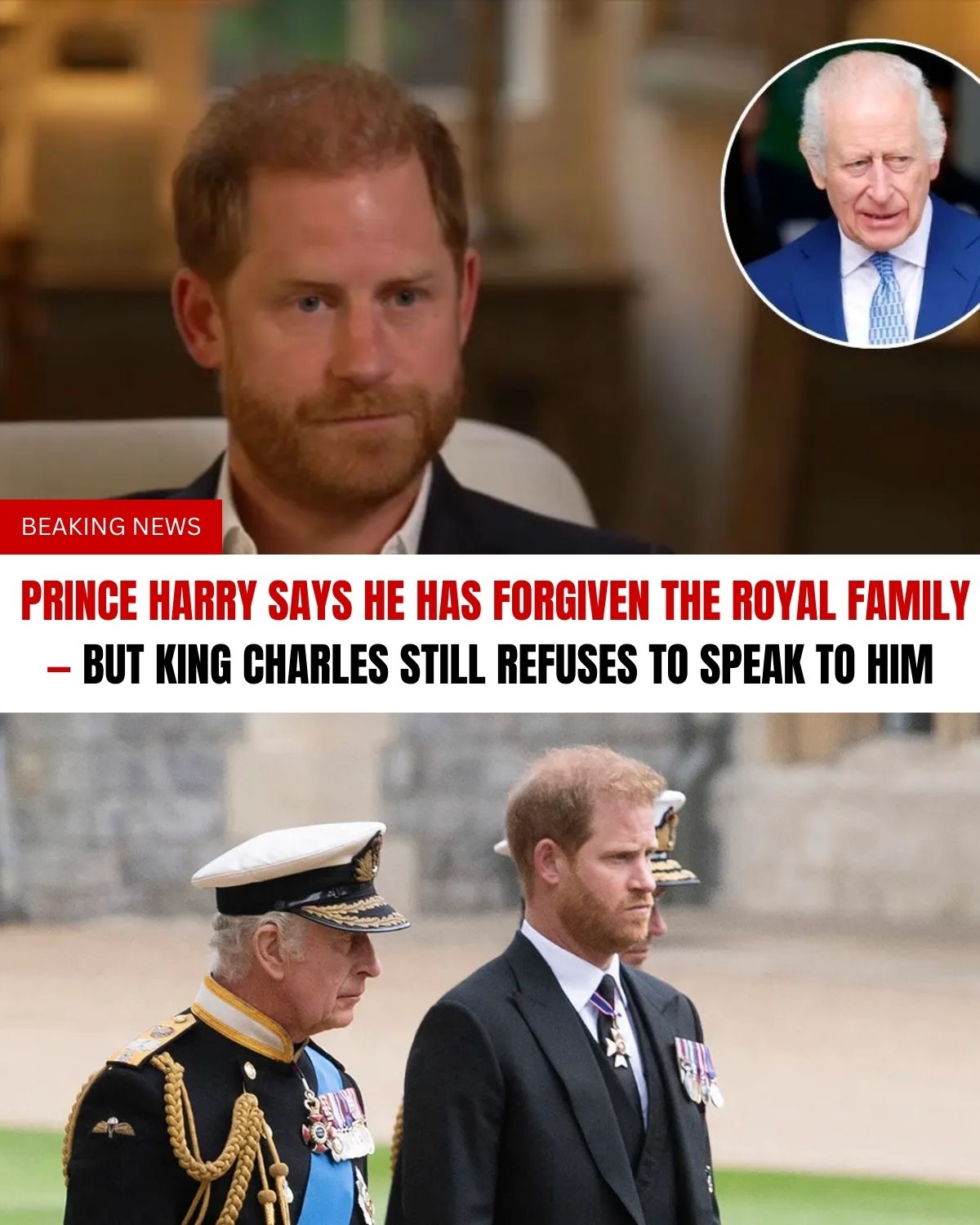
Years later, as Harry now speaks of reconciliation and forgiveness, those words continue to hang heavily over the relationship between the two brothers — and over the institution they once served together.
A trailer that reignited a royal war
On December 12, ahead of the release of the second part of Harry & Meghan, Netflix unveiled a trailer that quickly dominated headlines in Britain. In it, the Duke of Sussex accused the Royal Family of deliberately briefing false stories to the press in order to protect Prince William, while refusing to defend him and his wife.
“They were happy to lie to protect my brother,” Harry said in the trailer.
“They were never willing to tell the truth to protect us.”
The implication was stark: that the Palace machinery — long accused by critics of managing narratives behind the scenes — had actively chosen sides in a battle between the two sons of Princess Diana.
For many viewers, the accusation felt like a declaration of war rather than a plea for understanding.
A grievance years in the making
Harry’s resentment did not appear overnight. Throughout the documentary series, he repeatedly returned to the idea that he had been treated as expendable — the “spare” whose reputation could be sacrificed to protect the heir.
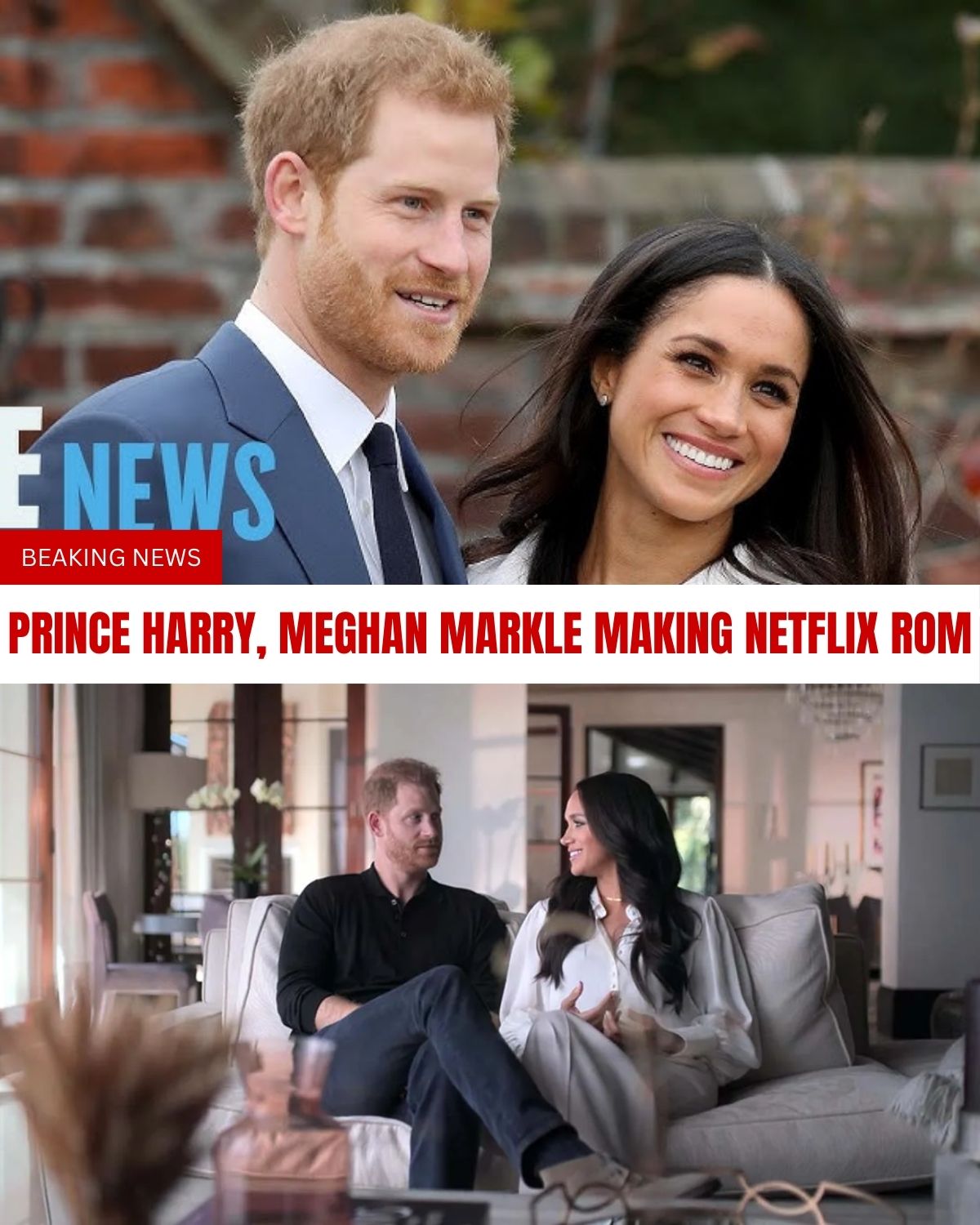
The second part of the series went further, portraying the Royal Family as rigid, unforgiving and institutionally unfair, while also recounting the couple’s decision to leave Britain and build a new life in the United States.
Harry spoke openly about his belief that Prince William had been favoured, shielded and prioritised, while he was left exposed to negative press and personal attacks.
Meghan Markle, for her part, used even stronger language to describe her experience inside the family.
“I wasn’t thrown to the wolves,” she said.
“I was fed to the wolves.”
The remark became one of the most quoted lines of the series — and one of the most controversial.
“A freedom flight” — and a new life in California
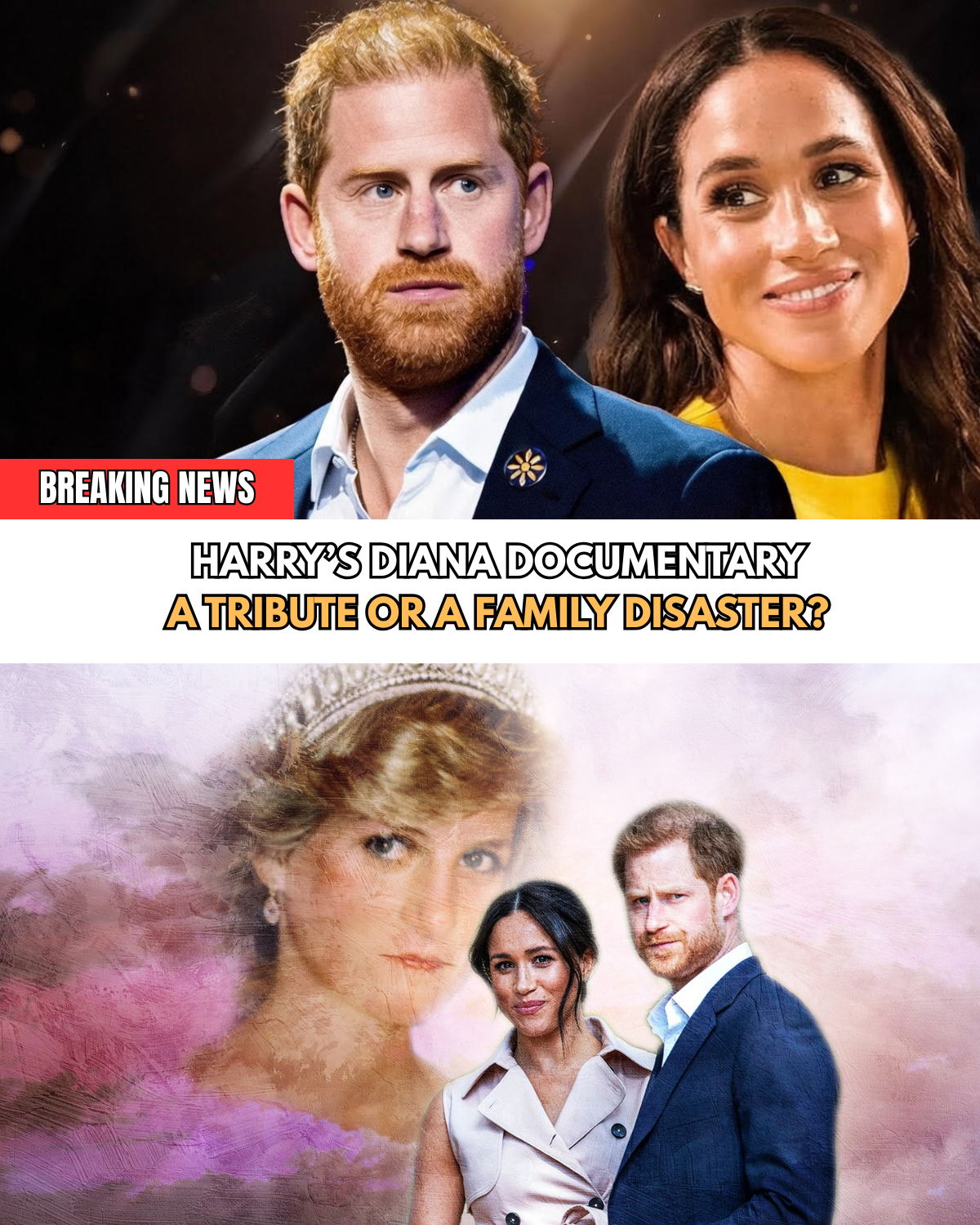
The couple described their departure from the UK as a “freedom flight”, framing their move to California as an escape from hostility, intrusion and institutional neglect.
The trailer showed Harry and Meghan smiling with their two children, Archie and Lilibet, at their home in Montecito, presenting a stark contrast between their new life and the turmoil they associated with Britain.
“This place has allowed us to create the home we always wanted,” Meghan said.
Harry added: “I always felt like this was a fight worth fighting.”
For supporters, the images symbolised liberation.
For critics, they reinforced the perception that the Sussexes were rewriting history — presenting themselves as survivors while continuing to profit from their royal connection.
Expert warnings: a “dangerous” partnership
At the time of the trailer’s release, royal biographer Tom Bower issued a blunt warning. He described Harry’s collaboration with Netflix as “dangerous” — not just for family relationships, but for the reputation of the country itself.
According to Bower, the public feud between the brothers created a deeply damaging image of Britain on the world stage.
He went further, suggesting that their late mother, Princess Diana, would have been “horrified” by the level of disloyalty Harry had shown.
“This rift causes pain not only to Prince William and King Charles, but to the nation,” Bower said.
“The image of brothers at war is disastrous for Britain’s global standing.”
Questions over credibility and motive
Another royal commentator, Richard Fitzwilliams, raised doubts about the tone and intent of the Sussexes’ claims, questioning whether they had been exaggerated to make the documentary more compelling.
He challenged Harry and Meghan to provide evidence for their suggestion that they were forced to leave the UK because of urgent security fears — noting that such a claim implicitly criticised the competence of Britain’s royal protection services.
The trailer appeared to suggest that the couple had fled London due to a lack of privacy and protection. However, representatives for the Sussexes later denied that privacy concerns had been the central reason for their departure.
In a statement to The New York Times, the couple’s spokesperson, Ashley Hansen, insisted that their original announcement stepping back from royal duties made no reference to privacy and instead expressed a desire to continue public service.
“They chose to share their story in their own way,” Hansen said.
“But t