In the dark of a Sicilian night in 1992, a white Fiat Croma sped along the A29 highway toward Palermo, carrying Judge Giovanni Falcone, his wife Francesca, and three bodyguards. At Capaci, 500 kilograms of TNT hidden beneath the asphalt detonated as the convoy passed, carving a ten-meter crater and killing all five occupants instantly.
 The man who pressed the remote detonator was Giovanni Brusca, infamously known as “U Verru”—the pig. But Brusca was just one among a legion of ruthless assassins who inscribed Cosa Nostra’s history with blood, terrorizing Sicily and the Italian state alike. These killers transformed murder into a brutal art form, wielded violence as their trade, and harnessed terror as a weapon to command power.
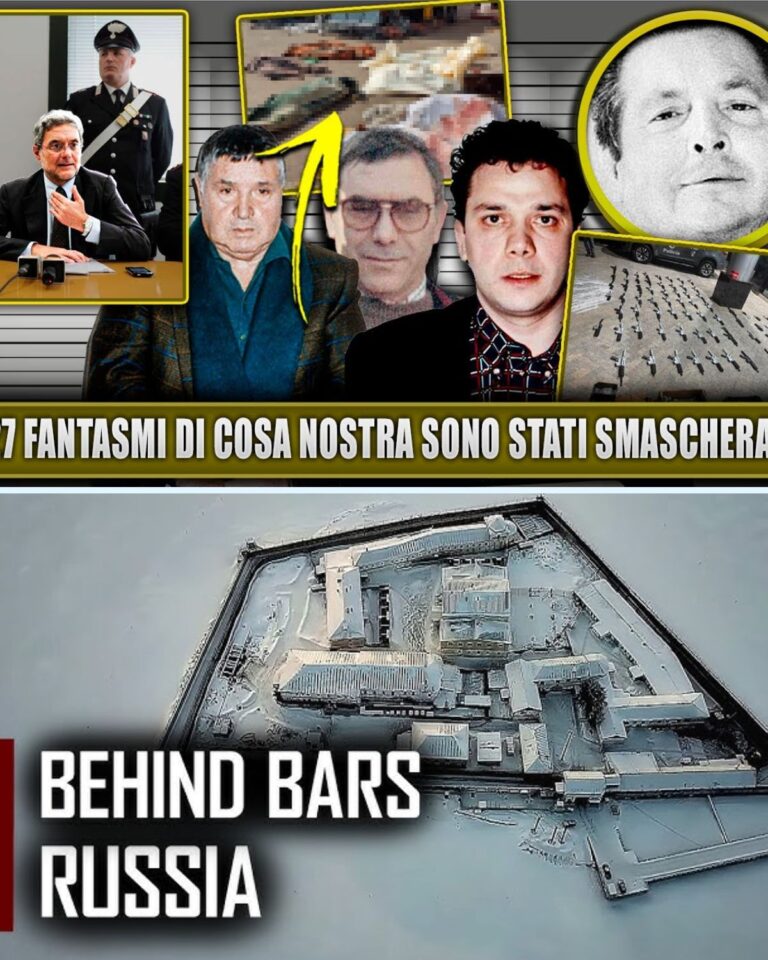
From the merciless Pino “Scarpuzzedda” Greco to the cold-blooded Leoluca Bagarella, these men orchestrated decades of carnage. They executed judges, policemen, politicians, and hundreds of innocent civilians. Their names echo as the darkest specters of Italy’s criminal underworld.
Giovanni Brusca stands as one of Cosa Nostra’s most notorious executioners. Born in 1957 in San Giuseppe Jato, his confessed tally reaches over 150 homicides, including the chilling murder of 11-year-old Giuseppe Di Matteo, held captive and tortured for over two years before his strangulation and body dissolution in acid.
Brusca’s ruthlessness culminated in the infamous 1992 Capaci massacre, where Falcone was assassinated alongside his wife and escorts. The precision and scale of that attack stunned Italy, shattering illusions of safety and forcing the state into a relentless anti-mafia crusade.
Pino Greco, nicknamed “Scarpuzzedda” for his short stature, was a key enforcer during the violent mafia wars of the 1980s. Born in 1952 in Ciaculli, he personally killed more than 80 victims, often through ambushes with shotguns or Kalashnikov rifles. His kill list includes law enforcement icons like Captain Mario D’Aleo and the legendary mafia boss Michele Cavataio, whose elimination in a brazen Viale Lazio massacre marked a bloody mafia turning point.
Leoluca Bagarella, brother-in-law to mafia overlord Totò Riina, earned the moniker “Il Micidiale”—the deadly one. Bagarella was intimately involved in the torture and murder of Giuseppe Di Matteo, personally terrorizing the boy during captivity. His operations extended to death squads targeting journalist Maurizio Costanzo and eliminating early mafia defectors like Leonardo Vitale.
Salvatore “Totò” Riina, the supreme boss born in Corleone in 1930, combined terror with a chilling ascent to absolute power. Beginning as a contracted killer, Riina’s personal hits include brutal murders spanning decades. His most heinous act involved ordering the deaths of hundreds, orchestrating self-performed assassinations to send ruthless messages, such as strangling the pentito Tommaso Buscetta Jr. inside prison walls.
Antonino Madonia, known as Nino, operated with merciless efficiency in Resuttana. His cold-blooded slaughter of entire families accused of betrayal showed a macabre thirst for total domination. The 1988 massacre of Judge Antonio Saetta and his son, with over 100 bullets tearing through their car, epitomizes the brutal tactics employed to silence justice.
Vincenzo Puccio, “Il Boia,” perfected gruesome methods of killing and torture in the 1980s, desecrating bodies and unleashing savage vendettas. His elimination of police commissioners and key mafia adversaries underscored the blood-soaked reality of Sicilian organized crime.
Francesco Paolo Anselmo and Mario Prestifilippo, along with Giuseppe Lucchese—the notorious “Macellaio”—rounded out an unrelenting cadre of killers. Each left trails of pain, including the massacres of judges, carabinieri, and innocent families, committed with icy precision and no shred of remorse. Their reigns ended often consumed by the very violence they propagated.
Francesco Madonia and Salvatore Greco, elder statesmen of murder, sustained Cosa Nostra’s grip for decades through meticulously planned hits like the devastating Strage di Ciaculli, which killed seven carabinieri and shook Italy’s resolve to confront the mafia’s tyranny.
The legacy of these criminals is written in a long corridor of death—magistrates like Giovanni Falcone and Paolo Borsellino, law enforcement heroes, and anonymous civilians who paid the ultimate price under a regime of fear.
Yet, the relentless pursuit of justice gradually dismantled this reign of terror. Many of these killers met grisly ends at the hands of rivals or were finally imprisoned for life. Those who chose cooperation, such as Brusca and Salvatore Contorno, pierced the mafia’s veil of silence, unraveling secrets that plunged Cosa Nostra into turmoil.
Still, the scars remain deep. The Sicilian landscape bears witness to a harrowing epoch where lives were expendable and murder was a tool of governance.
This is a stark reminder—the mafia is no romantic relic, but a cancer corroding the social fabric. The fight against it demands unyielding vigilance, robust institutions, and a societal commitment to justice and legality.
Each of these assassins was a product of a failed system—a society unable to shield its children from violence or offer alternatives beyond crime. Breaking this cycle mandates building cultures that reject silence and defy fear.
The history of these killers is not merely a chronicle of gruesome deeds—it is a call to action. To honor the victims, to support law enforcement, and to ensure no new generation falls prey to the shadows of Cosa Nostra’s blood-stained legacy.