Dolly Parton Dares to Rewrite “Stairway to Heaven”
Dolly Parton Dares to Rewrite “Stairway to Heaven” With Banjo and New Lyrics—Then Wins Praise From Led Zeppelin’s Robert Plant
Nashville, Tennessee — In a move that shocked the fiercely protective rock music community, country icon Dolly Parton dared to do the unthinkable: she covered Led Zeppelin’s untouchable progressive rock epic, “Stairway to Heaven.” Regarded by many rock fans as a sacred, unalterable “anthem” that no artist should touch, Parton not only tackled the track but radically reimagined it, adding her signature bluegrass flair, most notably the banjo, and inserting her own optimistic, gospel-tinged message into the lyrics.
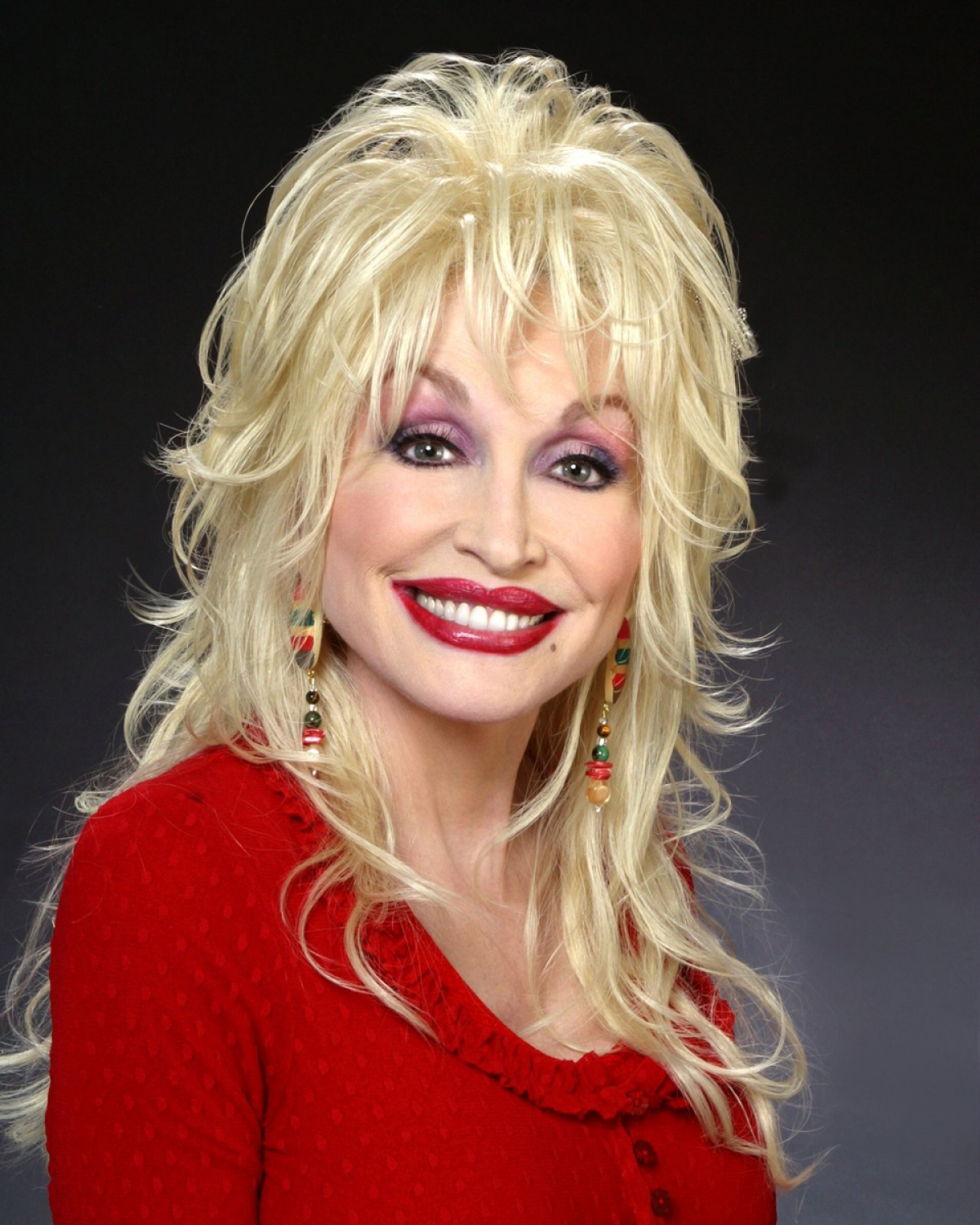
The sheer audacity of the move, combined with the profound respect shown in the delivery, earned the legendary country singer one of the highest possible accolades: praise from Led Zeppelin’s own lead singer, Robert Plant.

The Unbreakable Anthem: The Weight of the Original
Released in 1971 on Led Zeppelin IV, “Stairway to Heaven” is widely considered one of the greatest rock songs of all time. Co-written by vocalist Robert Plant and guitarist Jimmy Page, the song is famous for its intricate, gradual build—starting with acoustic folk and culminating in a thunderous hard rock climax and one of rock’s most legendary guitar solos. Due to its composition and legacy, covers of the track are generally met with intense scrutiny, if not outright derision, from purist rock fans.
Dolly’s Transformation: Bluegrass and Gospel
Dolly Parton first released her revolutionary cover on her 2002 bluegrass album, Halos & Horns. She explained that her husband, Carl Dean, a devoted Led Zeppelin fan, initially warned her against “messing with that” classic.
Parton’s rendition was a complete cultural clash that somehow felt natural:
- Instrumentation: She replaced the electric guitars and soaring rock orchestration with acoustic instruments, including guitar, violin, mandolin, and, crucially, the banjo, firmly grounding the song in her Appalachian bluegrass roots.
- The Lyrical Shift: Most shockingly, Parton dared to weave new lyrics into the final crescendo, giving the famously esoteric song a clear, positive message of faith and self-reliance. She sang lines like: “Oh, the great almighty dollar / Leaves you lonely, lost and hollow / You can’t fool yourself forever / You got to work to get to heaven.” This lyrical intervention transformed the ambiguous rock journey into a clear, uplifting Gospel message of survival.
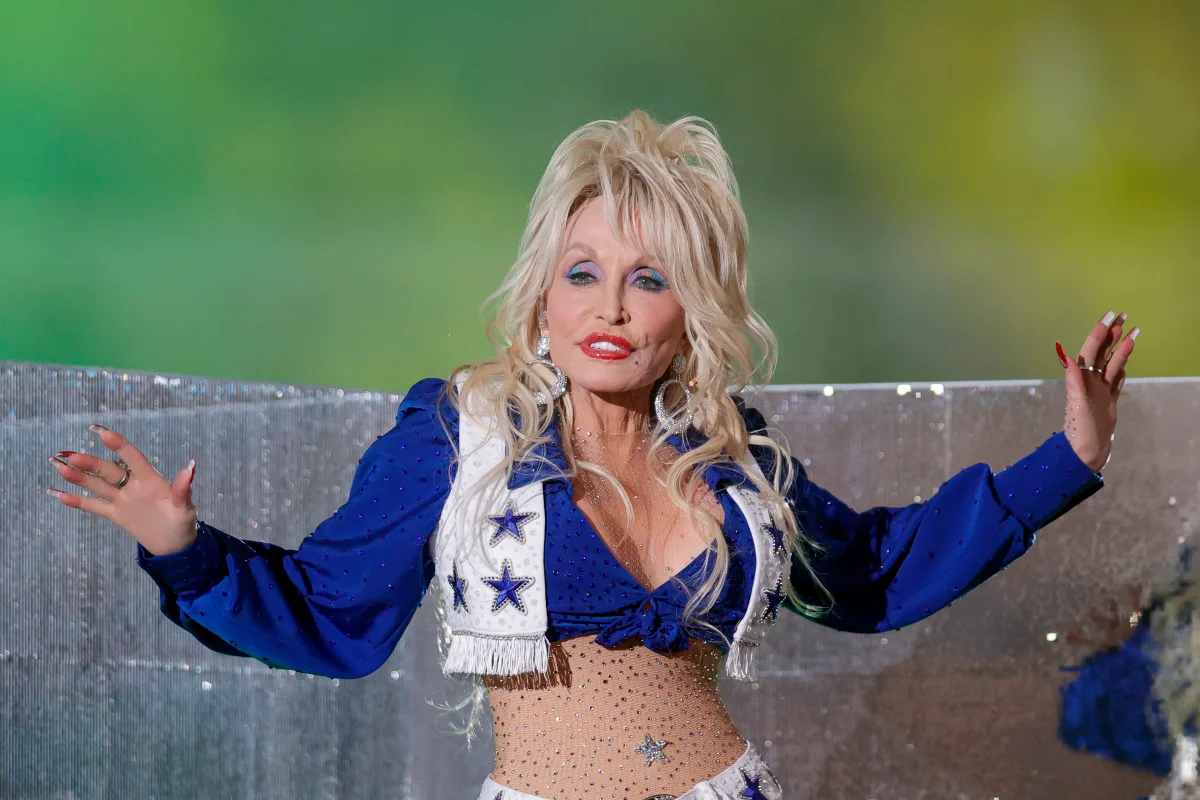
The Robert Plant Seal of Approval
The country icon’s courage was formally recognized by the rock royalty themselves. Robert Plant publicly praised Parton’s version, noting that he was impressed by her fearless approach.
Plant remarked that while the combination of the artist and the elements was “kinda odd,” Parton succeeded precisely because she stayed true to her own genre, stating: “The thing is that she’s not wailing—she’s keeping it within the genre, and she’s a good singer.” His and Page’s acceptance was interpreted by the music world as the ultimate endorsement, confirming that Parton’s respectful reinterpretation had succeeded where countless others had failed.
In 2023, Parton re-recorded the track (this time featuring a Lizzo flute cameo) for her rock album, Rockstar, proving that her unique, banjo-laced courage in covering the rock monolith remains one of her career’s most enduring and praised risks.