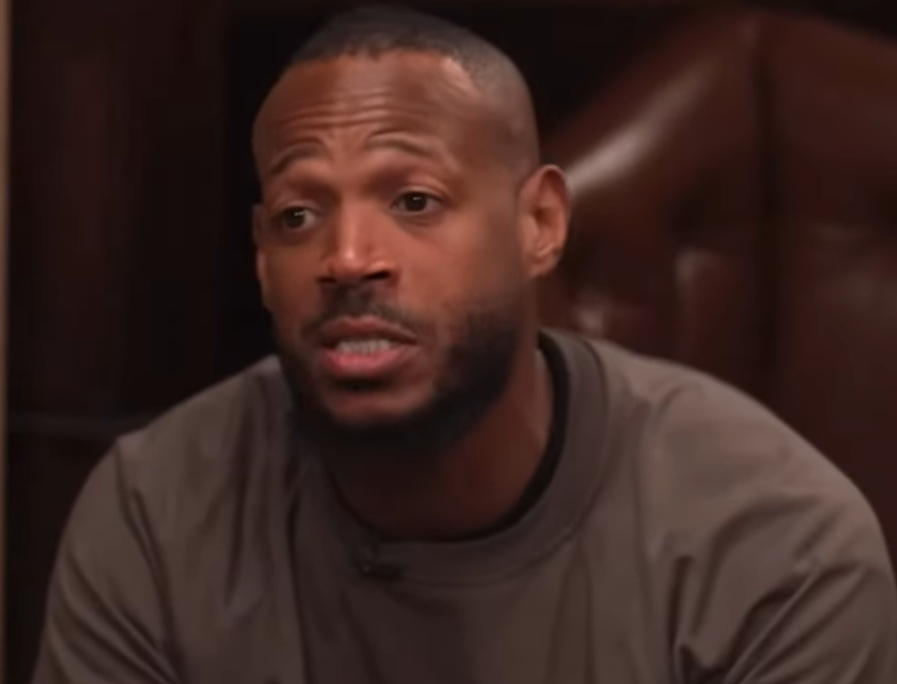
A seismic debate has erupted in the hip-hop community following explosive comments from comedian and actor Marlon Wayans, who declared modern trap pioneer Future a superior musical force to the legendary 50 Cent. The unexpected comparison, made during a candid interview, has ignited fierce discussion among fans and industry observers about generational shifts in rap supremacy.
 Wayans delivered his verdict with a mix of humor and conviction, directly addressing 50 Cent’s formidable persona. “Look at the evil in 50. He’ll do evil,” Wayans quipped, referencing 50’s iconic menacing image. He then humorously alluded to 50 Cent’s infamous “P.I.M.P.” video, stating, “He go CGI me in in puffy parties with the baby oil.”
Despite the jest, Wayans’ musical assessment was unequivocal. He acknowledged 50 Cent’s legacy, saying, “I like 50’s music. I think 50 has some hits.” However, his ultimate allegiance was clear. “But if I’m going to sit down and just play… I’m go with Future,” Wayans stated, anointing the “Mask Off” rapper with the highest praise: “Future is God.”
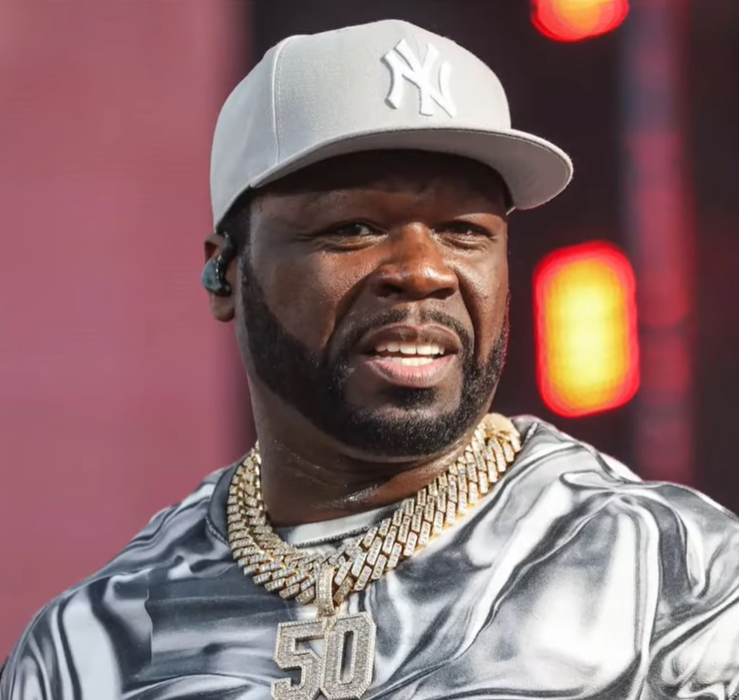
This declaration immediately sent shockwaves through social media platforms. The comparison pits two distinct eras and styles against each other: 50 Cent, the bulletproof vest-clad king of 2000s gangsta rap who dominated the charts with albums like “Get Rich or Die Tryin’,” against Future, the architect of melodic trap, a genre-defining figure whose influence permeates modern hip-hop and pop.
The host of the segment, DJ Y, vehemently disagreed with Wayans’ take, illustrating the divisive nature of the claim. “Guys, in case I have big respect to Marlon Wayans, I totally don’t agree to this answer. For sure,” DJ Y countered. “Future have so many classic songs, but 50 is way bigger, man. This my personal opinion.”

This clash of perspectives underscores a perennial debate in music culture: the weight of legacy impact versus current sonic dominance. 50 Cent’s career represents a commercial and cultural peak, with multi-platinum sales, a defining film and television presence, and an empire built from his music. His influence established a blueprint for rap stardom in the post-millennium era.
Future, born Nayvadius Wilburn, represents a different paradigm of success. As a central figure in the Atlanta trap movement, his prolific output, signature ad-libs, and emotionally raw, codeine-laced anthems have crafted a new lexicon for hip-hop. His influence is measured in the countless artists who emulate his flow and aesthetic, making him a foundational pillar of the genre’s current direction.
Industry analysts are weighing in on the implications of Wayans’ statement. “This isn’t just about who has better songs,” noted music critic Liana Evans. “It’s a referendum on evolution. Wayans, a cultural commentator himself, is highlighting how Future’s atmospheric production and vulnerable lyricism resonate on a different frequency than 50’s narrative-driven street tales. Both are valid, but they serve different moments.”

The fan reaction has been instantaneous and polarized. On Twitter, partisans for both camps have flooded timelines with streaming stats, iconic lyrics, and career achievements. 50 Cent loyalists point to his undisputed reign in the mid-2000s, his survival of nine gunshot wounds, and his successful pivot to business and television production as evidence of his unparalleled stature.
Future’s supporters, often younger, champion his relentless work ethic, his string of number-one albums, and his role in shaping the sound of the last decade. They argue that his emotional depth and genre-bending collaborations have expanded hip-hop’s boundaries in ways that demand recognition among the all-time greats.
Marlon Wayans, known for his sharp comedic eye, often infuses his cultural commentary with this blend of provocation and insight. His choice to make this comparison public suggests an awareness of its inflammatory potential, effectively holding a mirror to the changing tastes within the African American community and the broader music landscape.
The debate also touches on the metrics of greatness. Is it sheer sales and crossover appeal, as exemplified by 50 Cent’s historic run? Or is it pervasive influence and the ability to dictate the sound of an era, as Future has done for trap music? There are no easy answers, which is why Wayans’ comments have found such fertile ground.
As the discussion continues to trend online, one thing is certain: the conversation itself validates the enduring power of both artists. To be placed in such a heated comparative frame means both 50 Cent and Future occupy rarefied space in the cultural imagination. Whether seen as a god of the present or a king of the past, their legacies are being actively defined and debated.
This story is developing as more celebrities and hip-hop figures are expected to weigh in on the controversy. The comment sections under the original video and across social media platforms have become digital battlegrounds, with thousands voicing their allegiance. Such passionate engagement proves that hip-hop, as a culture, remains vibrantly alive and fiercely opinionated about its pantheon.
Ultimately, Marlon Wayans has done more than state a personal preference; he has ignited a cultural conversation about value, influence, and the very definition of greatness in an art form that is constantly in flux. The final verdict, as always, will be written by the fans and the relentless march of time, which continues to sift through hits, classics, and anthems to decide who truly reigns supreme.