The Duke of York faces an existential crisis within the monarchy as pressure mounts over his association with the late convicted sex offender Jeffrey Epstein, with royal commentators suggesting a life abroad may be his only viable path forward. The scandal, described as a relentless “Groundhog Day,” shows no sign of abating, forcing a reckoning for King Charles III and the institution itself.

New revelations, including emails with Epstein, continue to emerge, most recently from Virginia Giuffre’s forthcoming memoir. This steady drip of damaging information has shattered any lingering hope within Prince Andrew’s camp that the controversy will simply fade away. Insiders report staff at his Royal Lodge home are anxious about their futures.
Despite a multi-million dollar civil settlement with Giuffre in 2022, which included no admission of liability, the duke’s standing has failed to recover. Critics note his promised efforts at rehabilitation, such as championing anti-slavery causes, have been entirely absent. Instead, he is perceived to be in a state of luxurious limbo, playing golf and riding on the Windsor estate.
The central dilemma now rests with King Charles. Stripping his brother of his Duke of York title, a wedding gift from the late Queen, is fraught with constitutional and emotional difficulty. Symbolic gestures like removing military affiliations or the Order of the Garter are seen as insufficient, merely deepening his isolation without addressing the core issue.
“He’s been caught red-handed,” stated one commentator, reflecting public frustration. “The news will just disappear and then there’ll be another revelation in six months’ time. We’re constantly in the same situation with Andrew. It’s too much.” This cycle has created an untenable position for a modernizing monarchy.
 With his royal duties permanently revoked and public trust obliterated, the question of Andrew’s purpose is acute. At only in his early sixties, he potentially faces decades of life as a global pariah within the UK. The comparison to the disgraced former minister John Profumo, who redeemed himself through decades of charity, was dismissed due to Andrew’s perceived lack of inclination or time.
A growing consensus among observers is that a voluntary exile may be the least damaging solution for all parties. “He’s probably got loads of friends in the Middle East or the Far East. He could go and have a lovely life,” suggested one analyst, referencing the late King Juan Carlos of Spain’s relocation. “If I was him, I’d go and live somewhere else.”
This path would echo that of the Duke and Duchess of Windsor following the 1936 abdication crisis. Whether the Duchess of York, Sarah Ferguson, would accompany him remains uncertain, though loyalty may compel her. Such a dramatic exit would allow the monarchy to finally draw a line under a scandal that has poisoned its reputation for over a decade.
The King is understood to be deeply concerned, with one source stating, “I’m sure he doesn’t know either” what the definitive solution should be. Andrew’s defense remains that he has never been convicted of a crime and has paid a heavy price, but this stance is increasingly viewed as inadequate as the institution seeks to protect its future.

The Andrew crisis stands in stark contrast to the public image being carefully crafted by the Prince of Wales. In a recently released video for World Mental Health Day, Prince William was visibly moved, welling up during an emotional conversation with a bereaved mother. The moment, left uncut by his team, was widely interpreted as a deliberate signal.
“It struck a chord,” an observer noted of William’s reaction. “You feel it’s totally genuine.” This display of vulnerability is seen as part of a calculated evolution for the monarchy, aligning it with contemporary expectations of emotional openness championed by his mother, Princess Diana.
“He’s sending out a message that this is how it’s going to be when he’s king,” the commentator continued. “He’s going to be more touchy-feely.” This modern approach, characterized by William’s readiness to hug strangers and speak openly about grief, is viewed as essential for the institution’s survival.
 Yet, even this shift has its limits. Analysts caution that while public empathy is welcome, a future king must still embody the steadfastness required for state occasions and times of national crisis. “We don’t want him weeping and wailing every five minutes,” one remarked. “He’s got to have a stiff upper lip for some occasions.”
The juxtaposition is telling: the monarchy’s future is being secured through calculated displays of relatable humanity from the heir, while its past missteps are embodied by a brother seemingly incapable of contrition or constructive action. The Andrew scandal represents a festering wound that voluntary exile might cauterize.

As one commentator concluded, “The easiest thing to do is pretend and rather hope it’ll go away, which of course we know it won’t.” With legal clouds lingering and public patience exhausted, the pressure for a final resolution is reaching a crescendo. For Prince Andrew, the walls of Royal Lodge may soon feel less like a sanctuary and more like a gilded cage, with an exit route pointing firmly overseas.
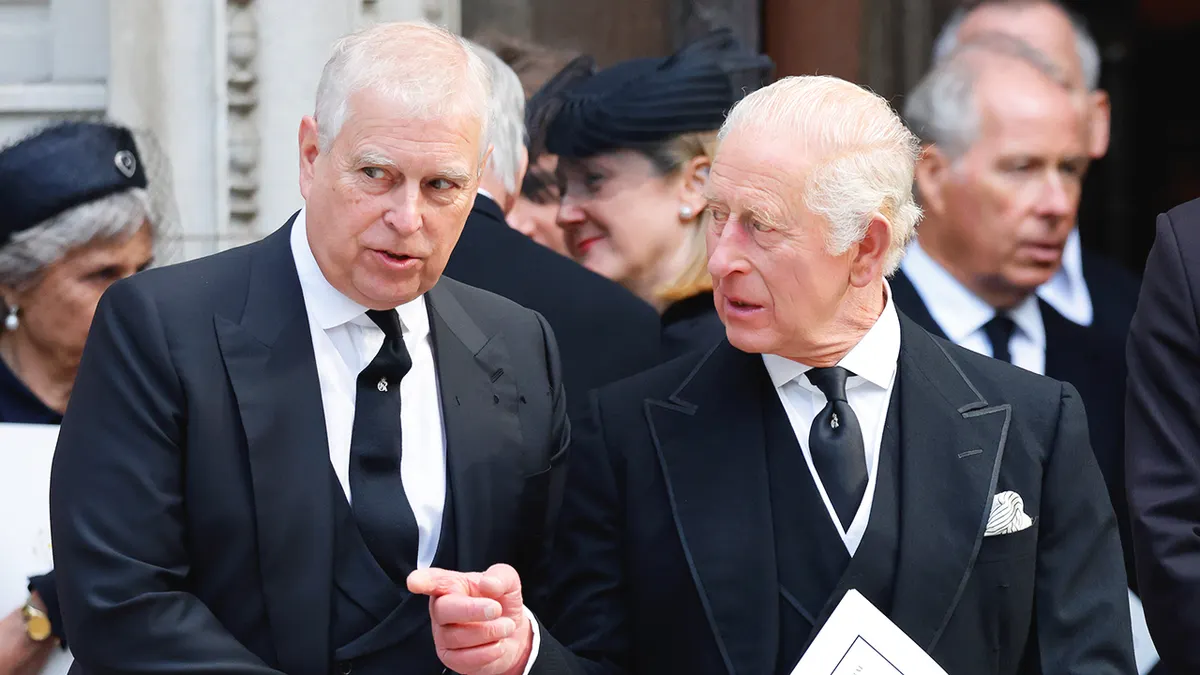
The enduring nature of the Epstein scandal, spanning from the financier’s first conviction in 2008 through his death in 2019 and beyond, ensures that Andrew’s past is permanently etched in the digital age. Each new document release or book excerpt threatens to reignite the fire, making his continued presence in the UK a perpetual liability.
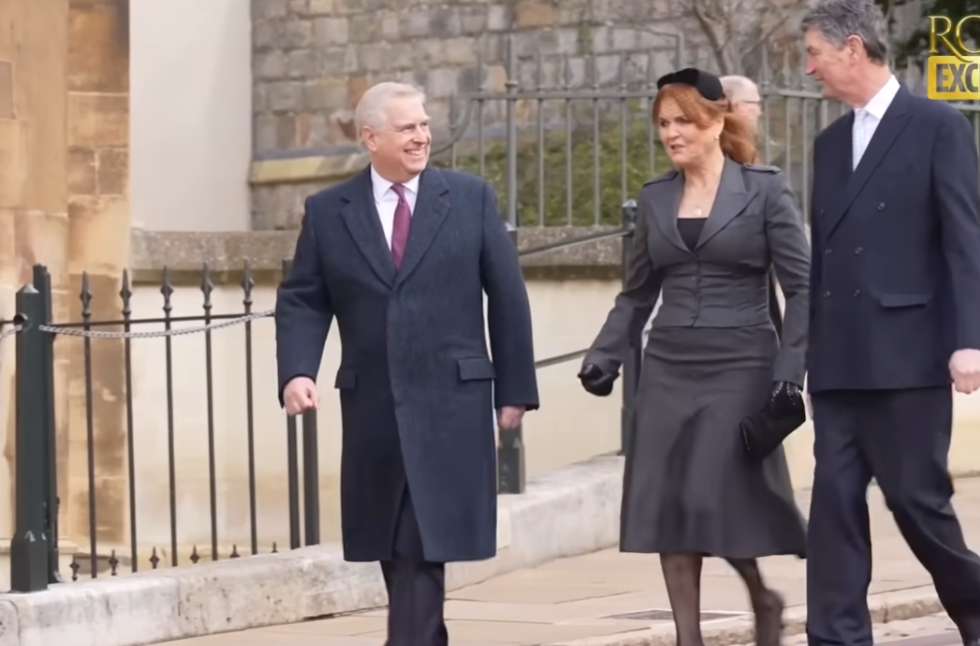
This leaves King Charles with an almost impossible sovereign dilemma: family loyalty versus the crown’s stability. Forcing his brother into exile would be a brutal final act, but the alternative—a perpetual shadow over the reign—may be deemed far worse for the institution he has dedicated his life to serve. The coming months will likely see this long-running royal drama reach its denouement.