Exclusive never-before-seen footage of Sean “Diddy” Combs in the days leading up to his federal arrest has been obtained for a major new documentary series. The video, part of the Netflix series “Sean Combs: The Reckoning,” shows the embattled mogul in private strategy sessions with his legal team and interacting with the public just before his world collapsed.
 The four-part docuseries, directed by Alex Stapleton and executive produced by Curtis “50 Cent” Jackson, promises an unprecedented look at the fall of the hip-hop icon. It features two jurors from Combs’ recent trial speaking publicly for the first time, alongside the explosive behind-the-scenes footage.
“It was really interesting to see his last days of freedom,” Stapleton revealed in an exclusive interview. The footage captures Combs debating legal strategy, at one point telling his lawyers, “Y’all are not working together the right way. We’re losing.” Stapleton noted the surreal nature of watching a man known for meticulous brand management navigate his impending indictment.
Perhaps most startling is a scene where Combs, after greeting fans in Harlem, returns to his car and expresses disgust. “I feel like I need to wash… like I’m dirt,” he says on camera. Jackson pointed to this moment as a revealing glimpse of character. “That’s one of the moments where he forgot he was on tape,” the rapper stated.
The series delves deep into the allegations that led to Combs’ arrest last September and his subsequent conviction on two prostitution-related offenses. He was acquitted on more serious charges of racketeering and sex trafficking. The project spans over thirty years of Combs’ career and personal life.
 Jackson, who has had a long-running public feud with Combs, addressed skepticism about his motives for joining the project. “If I didn’t say anything, you would interpret it as hip-hop is fine with his behaviors,” Jackson asserted, emphasizing his desire to not let silence imply cultural consent. He insisted his involvement was about creating compelling television, not settling a personal score.
A significant portion of the series examines Combs’ complex relationship with singer Cassie, who settled a lawsuit accusing him of rape and abuse. While Cassie did not participate, her story is woven through testimonies from others in Combs’ orbit. Stapleton highlighted the importance of remembering Cassie’s age when the relationship began.
“She’s like 18, 19 years old in the very beginning,” Stapleton said, drawing a parallel to the public empathy shown for Combs’ adult children during the trial. “This is the same age that she was when she met him.” The director aimed to contextualize the power dynamics at play.
The inclusion of two jurors provides a rare window into the deliberation room. Both describe reaching a mixed verdict, with one juror characterizing Combs and Cassie as “two people in love.” Stapleton noted the series questions who received the “benefit of the doubt” in the courtroom, suggesting it was Combs.
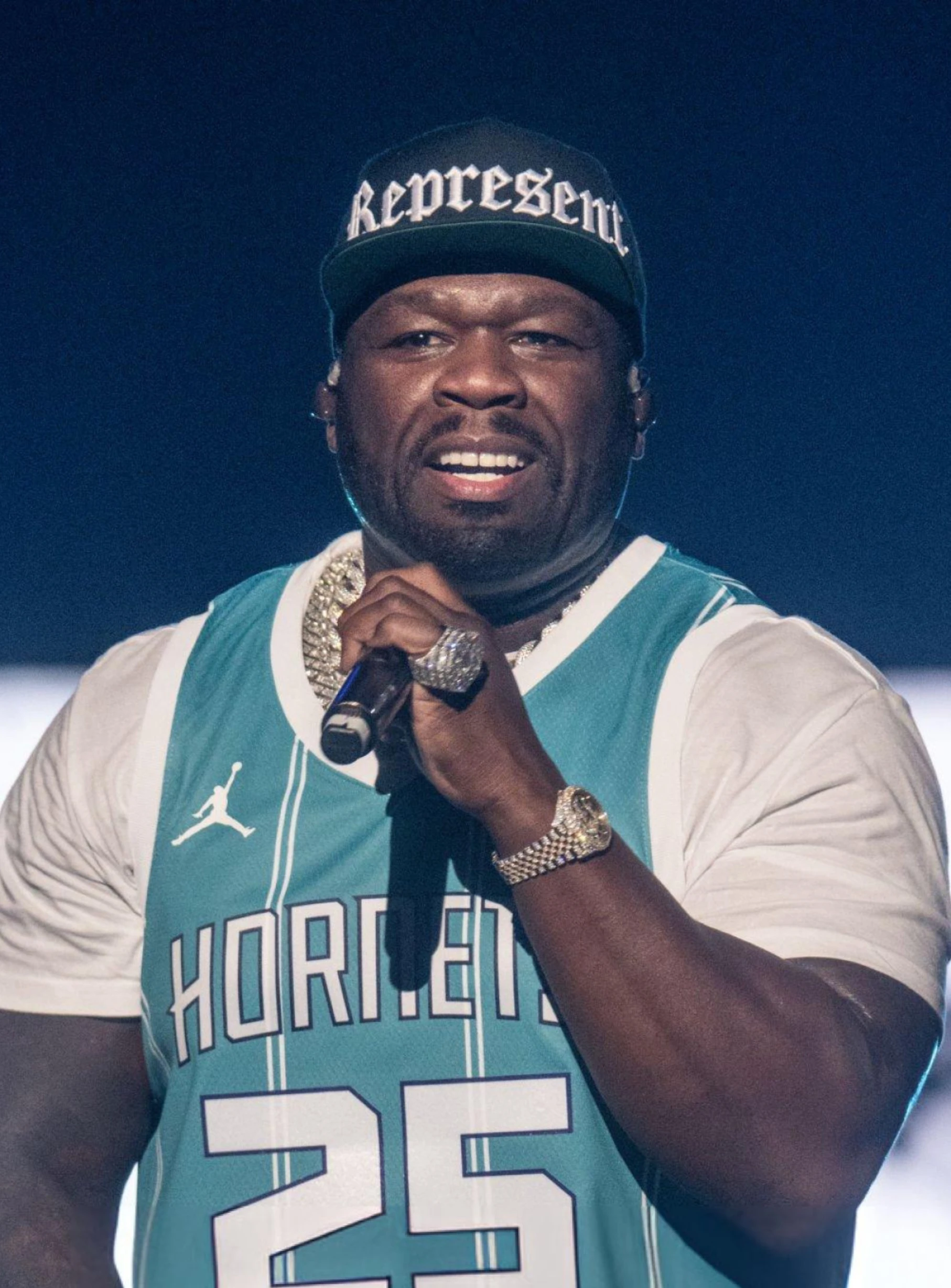
Securing the damning footage was a coup for the filmmakers. Jackson’s involvement proved crucial. “Partnering with someone like 50… it was a lot easier to get it,” Stapleton admitted, alluding to Jackson’s formidable reputation and connections. The videographer was a journalist, but sources remain protected.
The footage shows a man intensely aware of his narrative, yet occasionally slipping. “When you have that kind of power… I’m going to edit this,” Combs says at one point, illustrating his control mindset. Stapleton observed moments where the legal crisis seemed to overwhelm his camera awareness.
Despite the serious allegations, the filmmakers stress the series is not a one-sided takedown. It includes interviews with people who still consider Combs a friend. The goal, they say, is a nuanced portrait that asks more questions than it answers.
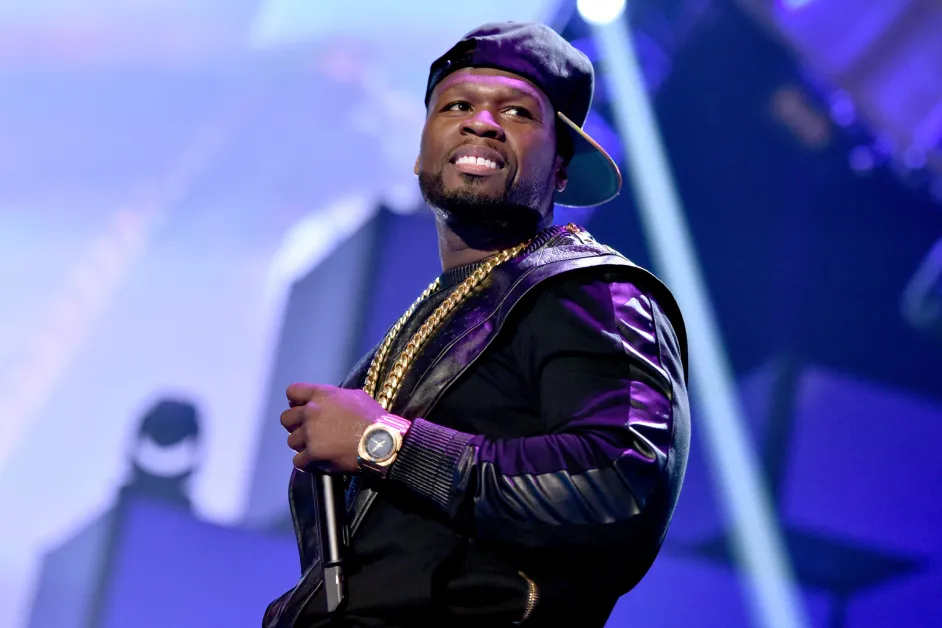
“The intention is to give a more full-bodied experience,” Stapleton explained. She expressed a desire to preserve hip-hop culture from being wholly condemned by one man’s actions, while still scrutinizing those actions exhaustively.
When asked about the one interview subject missing from the series, both filmmakers named Sean Combs himself. “He’s the missing ingredient,” Stapleton said, listing the personal questions she would still ask him about his upbringing and his regrets.
Jackson, however, had a different prediction for Combs’ potential reaction to the series. “I think he’s going to say, ‘This is the best documentary I’ve seen in a long time,’” Jackson quipped. “He may feel a different way about pieces and bits of it, but he knows the truth. I think he’ll see the truth in it.”
“Sean Combs: The Reckoning” arrives as the mogul awaits sentencing, promising to reignite public debate over his legacy, the verdict, and the culture that elevated him. The exclusive footage ensures the series will be a focal point in the ongoing saga of one of music’s most powerful figures brought low.