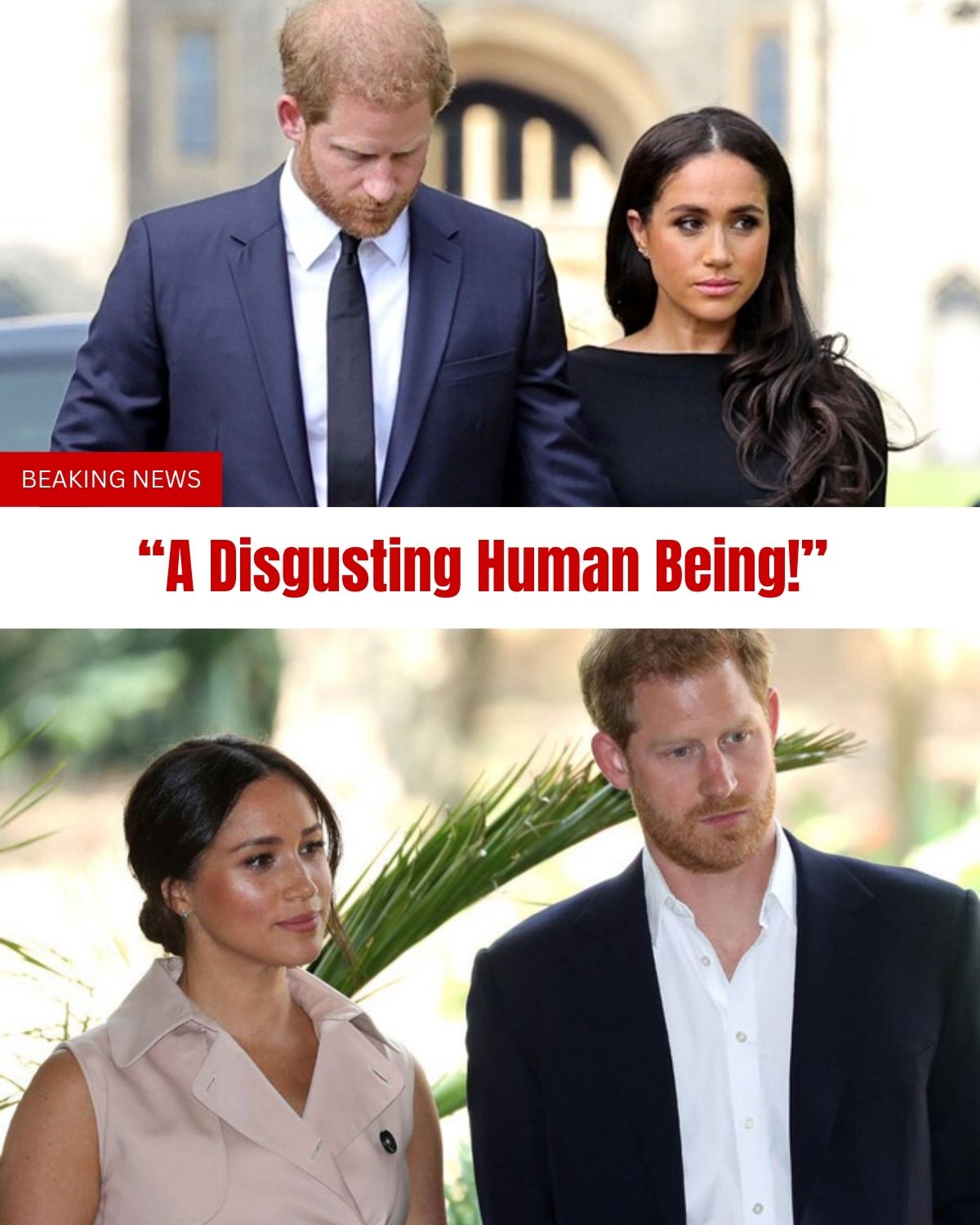
Royal biographer Angela Levin has launched a blistering on-air attack against Meghan, Duchess of Sussex, branding her a “disgusting human being” for reportedly refusing to visit her ailing father following his leg amputation. The explosive comments came during a wide-ranging television interview that also addressed terrorism, antisemitism, and the King’s health, creating a firestorm of controversy.
 Levin, a frequent critic of the Duchess, stated unequivocally that Meghan will never visit her father, Thomas Markle. “We do know now she is never going to come and see her father. That’s her main thing,” Levin declared. She dismissed the Duchess’s cited reasons for not traveling, which allegedly include cost and logistical hurdles, as fabricated excuses “beyond anything you could imagine.”
The biographer expressed particular outrage over Meghan’s reaction to her father speaking with journalist Caroline Graham, a close friend of Mr. Markle. Levin framed the elderly man’s outreach as an act of desperation from a parent isolated by his daughter. “Of course the guy is going to reach out… because his own daughter won’t give him the time of day,” Levin argued, characterizing Meghan’s response as a breach of familial ethics.
Levin’s condemnation was absolute and personal. “I’ve long ago made my mind up about her,” she stated, later adding, “I think she’s just revolting.” She accused the Duchess of perpetual self-victimization, sarcastically referencing the “poor me” narrative she believes Meghan cultivates. The host of the segment echoed the sentiment, confessing he sometimes lacks the energy to discuss what he called Meghan’s “utterly narcissistic and appalling” behavior.
This familial rift emerges amid a grave health crisis for Thomas Markle, who has suffered a series of strokes and recently underwent a leg amputation. The situation paints a stark picture of a prolonged estrangement that appears irrevocably broken, with Levin’s comments amplifying the private tragedy into a public spectacle of blame and recrimination.
The incendiary remarks were part of a broader interview that began with Levin addressing a terror incident on Bondi Beach. She described the attack as “heartbreaking” and criticized a lack of protective security at the location, while praising the heroism of an individual who intervened. The discussion then turned sharply to the climate of fear for Jewish communities.
Levin, who is Jewish, spoke with palpable emotion about the rise of antisemitism. “I am very scared,” she admitted, stating that Jewish people do not feel safe in the UK. She launched a fierce critique of political and police inaction, demanding an immediate ban on “hate marches” and questioning whether politicians are “scared of a certain vote.”
“Anti-semitism is rife and it is ruining the lives of Jewish people,” Levin asserted, vowing not to give up on the issue. Her comments reflect a deepening anxiety within British Jewish communities and a growing frustration with official responses to hate crimes and threatening rhetoric.
In a notable shift in tone, Levin provided a positive update on the King’s health, following his cancer diagnosis. She reported his battle is “not over” but his outlook is positive, praising his handling of the illness for focusing public attention on early detection. Levin revealed a remarkable statistic, claiming 100,000 people sought cancer checks following the monarch’s public address on the subject.
She also offered a rare glimpse of palace dissent, disclosing that Queen Camilla had been “anxious” about the King’s decision to speak so openly about his diagnosis and was initially unsure she agreed with the strategy. This detail underscores the careful calculus behind royal communications, even on deeply personal matters.
The interview concluded with a brief but sharp critique of ongoing doctor strikes within the National Health Service. Levin labeled the industrial action “an absolute disgrace,” arguing medical professionals understood the demanding conditions of their careers when they enrolled. She controversially suggested patients with cancelled operations could have grounds for medical negligence claims against striking doctors.
The segment, a whirlwind of potent headlines and personal vitriol, highlights the intense scrutiny facing the Royal Family and its associates. Levin’s unvarnished attack on the Duchess of Sussex ensures the painful estrangement within the Markle family will remain a focal point of public discussion, while her comments on security, antisemitism, and healthcare tap into some of the most urgent and divisive issues facing the United Kingdom today.
The fallout from these comments is likely to be significant, reigniting debates about media treatment of the Sussexes, the responsibilities of adult children to estranged parents, and the lines between legitimate commentary and harmful rhetoric. As Thomas Markle confronts a serious recovery, the very public condemnation of his daughter’s absence adds another layer of complexity to an already sorrowful private situation.