The seismic aftershocks of the Duke and Duchess of Sussex’s tell-all interview with Oprah Winfrey continue to reverberate through the monarchy, with royal experts now dissecting the motivations and veracity of the explosive claims made. In a special retrospective analysis, commentators have labeled the two-hour special a calculated “act” built on inconsistencies, while acknowledging the lasting global damage inflicted on the House of Windsor.
 Airing in March 2021 to an estimated 17.1 million viewers worldwide, the interview saw Meghan allege troubling conversations about her son Archie’s skin tone and claim she received no support for her suicidal thoughts. Prince Harry later joined, asserting his father and brother were “trapped” within the institution. The broadcast dropped as Prince Philip was gravely ill, a timing experts call a profound betrayal.
“It was broadcast a few weeks before he actually passed away. Bad timing with no concern at all for the family,” stated veteran royal commentator Dickie Arbiter during the Royal Exclusive Rewind panel. He emphasized the Queen’s deep disappointment, stating she “thought more of him than running to the media and doing a kiss and tell.”
The panel, featuring Arbiter and royal expert Kinsey Schofield, meticulously deconstructed the interview’s most damaging allegation: racism within the palace. Schofield recounted the fraught media climate in the U.S. during the George Floyd protests, which made challenging Meghan’s narrative perilous. “If you did push or challenge this story, you were accused of racism,” she noted.
Arbiter highlighted a critical discrepancy in the Sussexes’ account, pointing out Meghan claimed the comments were made while she was pregnant, but Harry later stated they occurred before the wedding. “So when was it? Before they got married, while she was pregnant, or not at all?” he questioned. He also categorically debunked the linked claim about Archie’s title, citing the 1917 Letters Patent that reserve titles for grandchildren of the monarch.
Further claims were scrutinized for their authenticity. Meghan’s assertion that she did no research on the royal family and didn’t know who Harry was was met with open skepticism. Schofield referenced a teenage photo of Meghan outside Buckingham Palace and friends’ accounts of her Diana admiration. “I don’t believe that. I believe her friends,” Schofield stated.
The conflicting narratives over who made who cry—Meghan or the Princess of Wales—during wedding preparations were also revisited. The panel suggested the incident was overblown, with Arbiter bluntly noting, “Megan is an actress… She can make a tear drop.” He concluded of the entire interview, “The whole thing was an act.”
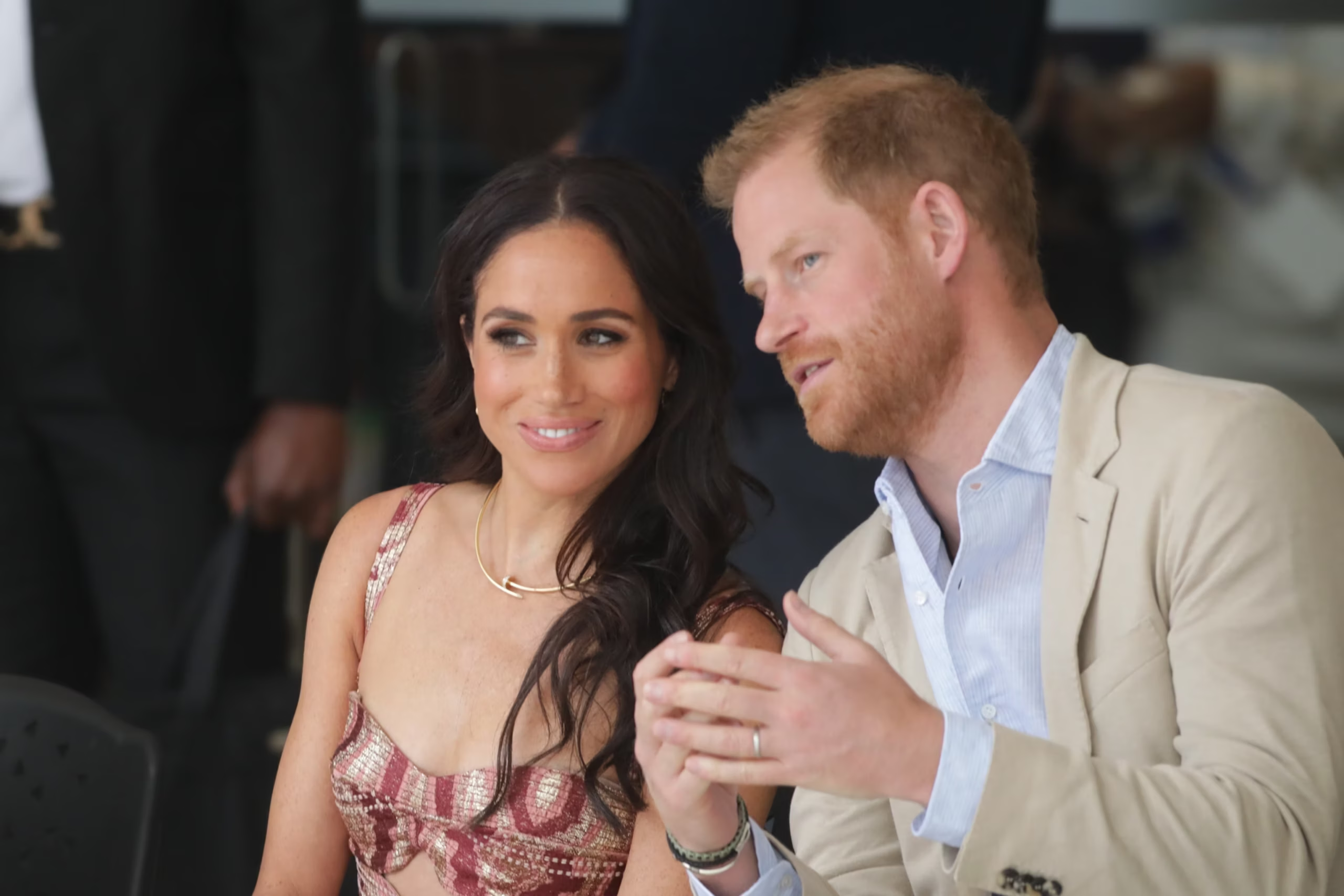
While the panel was critical, they acknowledged the gravity of Meghan’s mental health struggles. However, they questioned her claim that Human Resources at Buckingham Palace was unhelpful. “HR is there for the employees, not for the royal family,” Arbiter stated, adding Harry had ample resources to secure her professional help.
The experts drew pointed comparisons to historical figures, noting Meghan’s stylistic echoes of Wallis Simpson and the thematic parallels to Princess Diana’s famous 1995 Panorama interview. Schofield suggested these were deliberate choices by a woman “orchestrated” and “calculated” in establishing her royal narrative despite feeling rejected.
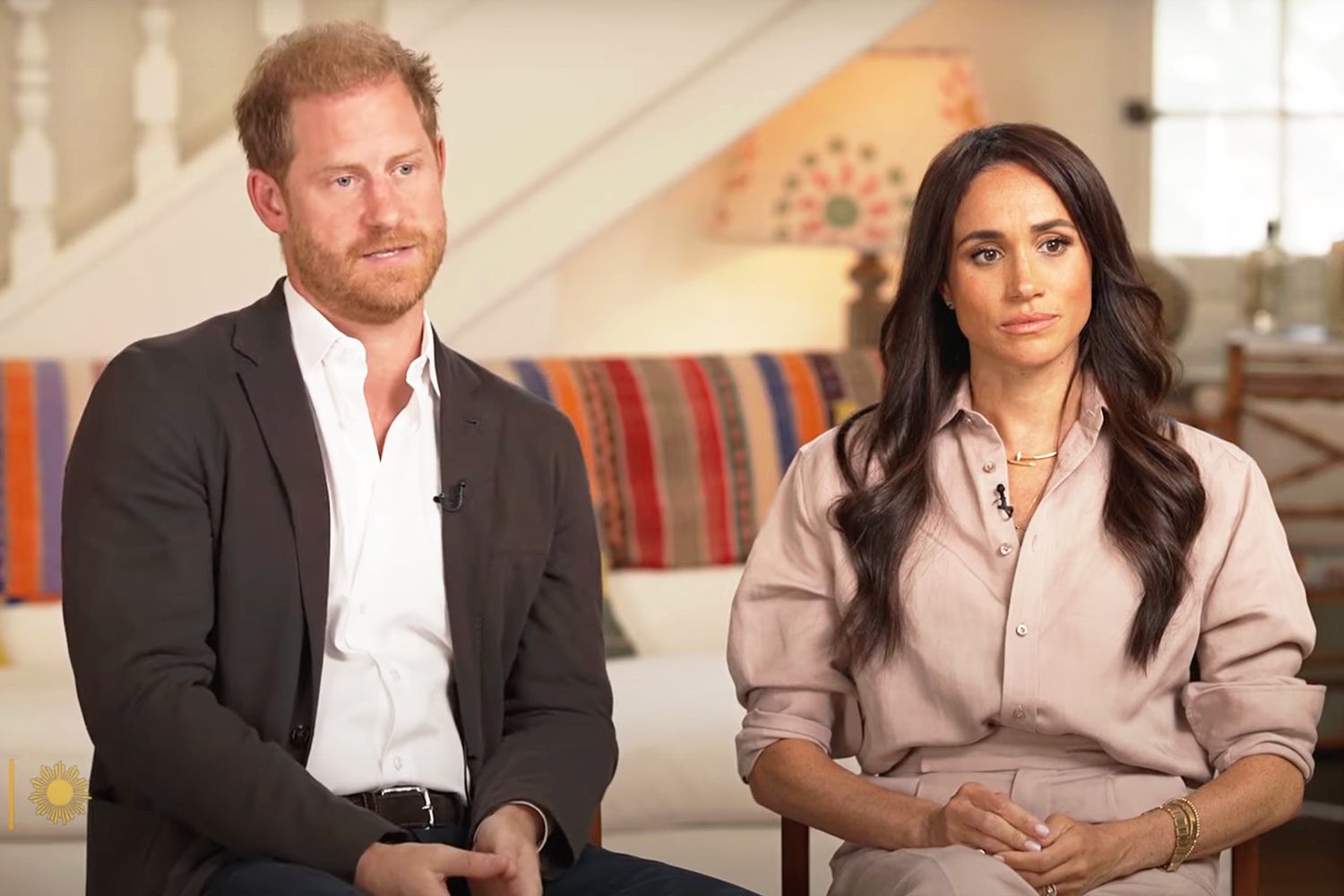 Arbiter forcefully countered the rejection narrative. “They welcomed her with open arms,” he asserted, placing blame on the couple for quitting their roles. He also dismissed Harry’s “trapped” characterization of his family, arguing, “This was not a prison type experience if you are waving that [Duke and Duchess] flag as aggressively as they are.”
The discussion turned to the Palace’s famously restrained response, issued after the UK broadcast. The Queen’s statement expressed sadness but included the now-iconic line: “Whilst some recollections may vary.” Schofield revealed that, according to reports, the Princess of Wales insisted that line remain, adding a layer of quiet defiance to the diplomatic reply.
In a final assessment, Schofield described Meghan Markle as a “chameleon” who adapts to her environment but suggested the Oprah interview revealed her core. “I think this is the real Meghan Markle… sitting down with Oprah Winfrey and airing her grievances,” she concluded. The panel agreed the interview remains an infamous, pivotal moment, one that permanently altered the public’s perception of the monarchy and the self-exiled couple, with the full truth perhaps forever caught between varying recollections.
The fallout from that prime-time special continues to define the ongoing rift, proving that even years later, every claim and counterclaim is still picked apart for clues about what truly happened behind palace walls. The royal family’s strategy of dignified silence has battled against the Sussexes’ media barrage, a war of narratives with no end in sight.