A devastating scandal has exploded around Pete Hegseth, Secretary of Defense, at the worst possible moment for President Donald Trump. New evidence reveals Hegseth allegedly ordered lethal “double tap” drone strikes on suspected drug trafficking boats in the Caribbean, deliberately targeting survivors struggling in the water. The implications are shattering.
According to multiple sources, including military insiders and CNN reports, these strikes occurred on September 2nd, following an initial attack that disabled the vessel. The follow-up strike reportedly aimed to ensure no survivors remained, an action that violates established laws of armed conflict. This “kill them all” order, as described, could constitute an unequivocal war crime.
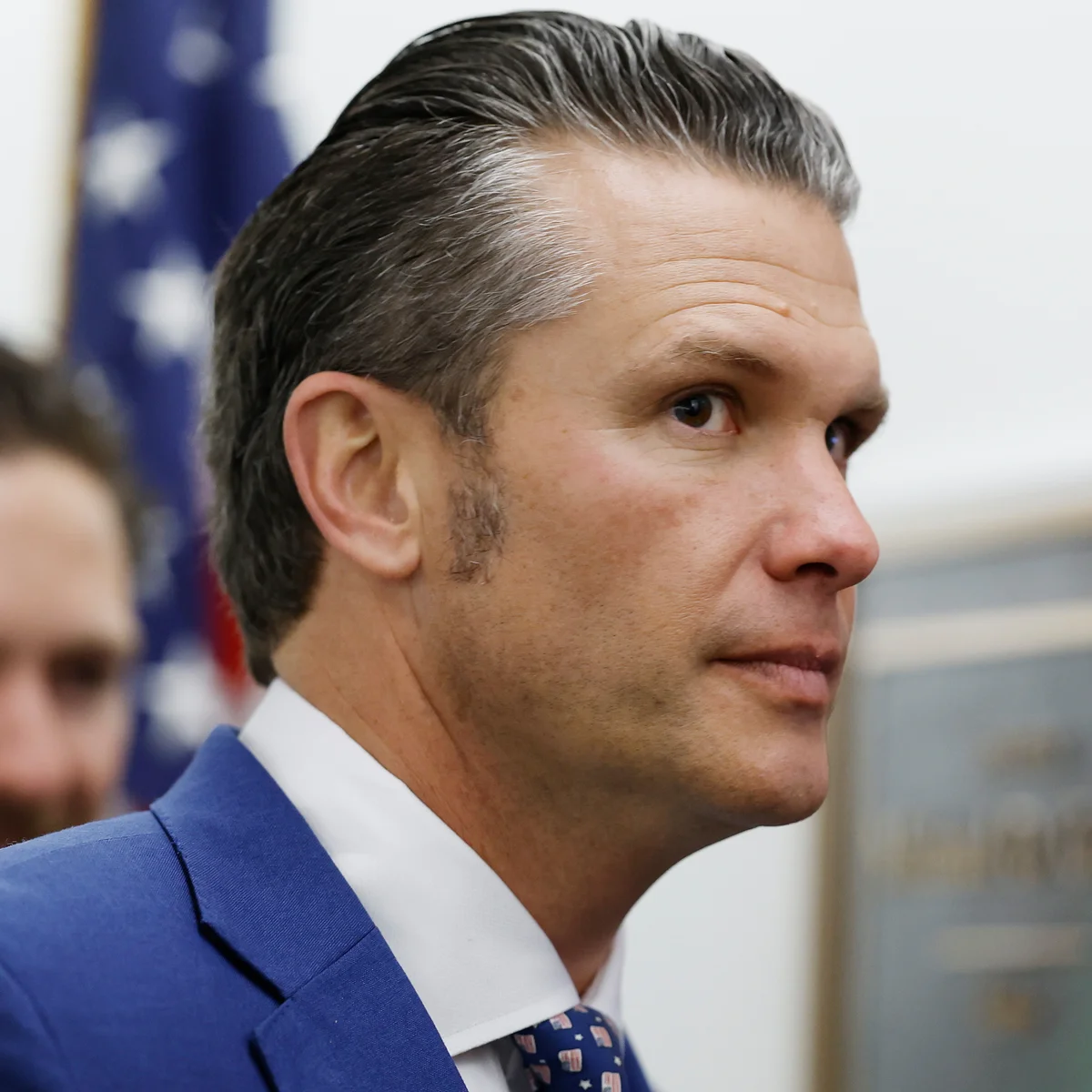
This revelation ignited urgent investigations by the House and Senate Armed Services Committees, who are demanding answers. Bipartisan lawmakers, from Senator Mark Kelly to Representatives Don Bacon and Mike Turner, have voiced grave concerns. The legality and morality of such strikes are under sharp scrutiny amidst mounting political pressure.
Military veterans, including experienced Navy SEAL officers and judge advocate generals, have publicly condemned the alleged orders. They stress that targeting incapacitated or surrendering individuals contradicts U.S. military ethics and international law. The 1996 War Crimes Act explicitly forbids giving “no quarter” orders—commands to kill all, including incapacitated enemies.
This is not an isolated incident. Since September, at least 21 known U.S. military strikes on suspected drug boats in the Caribbean have killed 83 people. Authorities admit they often do not know the identities of those targeted before launching attacks. This pattern signals troubling lapses in oversight and judgment.
Hegseth’s credibility has already been questioned due to previous controversies, including alleged breaches of protocol involving classified meetings and questionable conduct. Now, accusations of authorizing lethal strikes that target survivors extend concerns about his fitness to lead the Pentagon and the military’s strategic operations.
President Trump’s own role may soon come under the microscope. If investigations reveal these “no survivors” orders originated from or were sanctioned by the highest levels of the administration, the commander-in-chief could face direct legal and political fallout. This scandal threatens to entangle Trump deeply in war crime allegations.
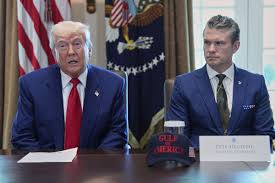
The Pentagon has responded cautiously, with Hegseth denying illegal orders were given. However, the growing mountain of military lawyer testimonies and bipartisan congressional oversight underscores the urgency for accountability. The Defense Department faces a critical juncture in preserving U.S. military integrity and adherence to the law of war.
Veterans’ voices add a chilling perspective: killing those who clearly do not pose an active threat shatters military professionalism and honor. That this occurred within elite SEAL operations amplifies the outrage. The Navy community fears the fallout will damage public trust and the moral foundation of America’s armed forces.
Congressional members reveal frustration over a lack of transparency. Both parties report limited information regarding these strikes and the chain of command orders. This opacity hampers investigative efforts and heightens concerns about unchecked authority within Trump’s military leadership.
Legal experts warn that if Hegseth’s directives to kill survivors are confirmed, these actions are war crimes, potentially constituting murder under domestic and international statutes. The humanitarian and legal consequences could be severe, escalating political volatility and international condemnation of U.S. military conduct.
The political shockwaves are swift and severe. Trump’s administration is already riddled with scandals; now a potential war crimes probe threatens to deepen fissures and destabilize his command structure. Any link between Trump and these orders would intensify calls for accountability and possibly fuel impeachment momentum.
As investigations unfold, America waits anxiously for the truth behind those deadly Caribbean strikes. The Department of Defense, Congress, and legal authorities face intense pressure to uncover facts, assign responsibility, and uphold the rule of law. The scandal’s fallout could reshape U.S. military oversight and the Trump administration’s future.
This crisis spotlights a disturbing pattern of aggressive military operations carried out without adequate congressional oversight or adherence to international law. Hegseth’s reported disregard for protocol and ethical warfare standards paints a grim picture of unchecked power within the Pentagon under Trump.
The gravity of these allegations cannot be overstated. Targeting incapacitated or surrendering individuals undermines America’s core values and legal commitments. For veterans and civilians alike, this scandal strikes at the heart of military honor and global respect for U.S. armed forces.
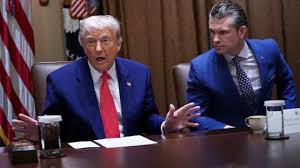
This breaking story is a clarion call for urgent transparency and accountability. With the military, lawmakers, and public demanding answers, Pete Hegseth’s position hangs by a thread. Whether he remains in power or faces legal consequences, the repercussions will ripple through the highest government levels.
For Donald Trump, this scandal compounds an already precarious presidency. Fresh war crime accusations connected to his top defense official threaten to destabilize his military command and damage international standing. The next weeks will be crucial in determining the administration’s fate amid mounting legal scrutiny.
As the legal and political probes advance, the defense community grapples with the damage to institutional trust. Allegations of wilful violations of warfare laws challenge the military’s reputation for discipline and ethical conduct. The consequences may shape U.S. military policies and leadership accountability for years to come.
The battlefield now extends from the Caribbean seas to Capitol Hill and beyond, where investigations seek to penetrate layers of secrecy and command decisions. The world watches as this scandal unfolds—a crisis that could define this era of American military and political history.
In sum, Pete Hegseth’s alleged orders to kill survivors in U.S. military strikes represent a bombshell crisis with profound legal and political consequences. The Trump administration confronts potentially career-ending turmoil amid escalating global condemnation and mounting demands for justice and reform.
America’s armed forces face a critical reckoning over the actions attributed to their leadership. The fallout from these alleged war crimes could redefine U.S. military engagement ethics, congressional oversight, and the limits of executive power under Donald Trump’s administration.
Stay tuned as this developing story continues to unravel, exposing the dangerous consequences of unchecked military aggression and the urgent need for transparency, accountability, and adherence to the laws that govern armed conflict.