The protracted battle over Prince Andrew’s residence at Royal Lodge has escalated into a full-blown crisis for the monarchy, with sources revealing the Prince of Wales’s determination to remove his uncle is driven by a deeply personal motive beyond public reputation. Insiders state William views the Duke of York’s continued presence on the Windsor estate as an intolerable threat to the sanctuary he is determined to build there for his own young family, framing the standoff as a direct conflict between the monarchy’s troubled past and its future.
 Pressure is mounting exponentially on King Charles III to resolve the situation, which royal commentators describe as a “tumour that won’t stop growing” and a “time bomb” left by the late Queen. The issue violently intruded on the King’s duties this week when he was heckled by a protester shouting questions about Andrew during a solemn engagement to unveil a memorial for LGBT+ servicemen. This incident starkly illustrated how the scandal is infecting the core work of the institution.
At the heart of the impasse is the 30-room Royal Lodge, Andrew’s home since 2004 under a 75-year lease for which he paid a £1 million premium and reportedly spent millions more on renovations. The King is understood to have offered his brother the smaller Frogmore Cottage, but negotiations have stalled amid claims and counterclaims about other properties like Adelaide Cottage being dangled. Royal experts dismiss the idea of Andrew receiving two properties as “nonsense,” with one stating bluntly, “What planet is he on?”
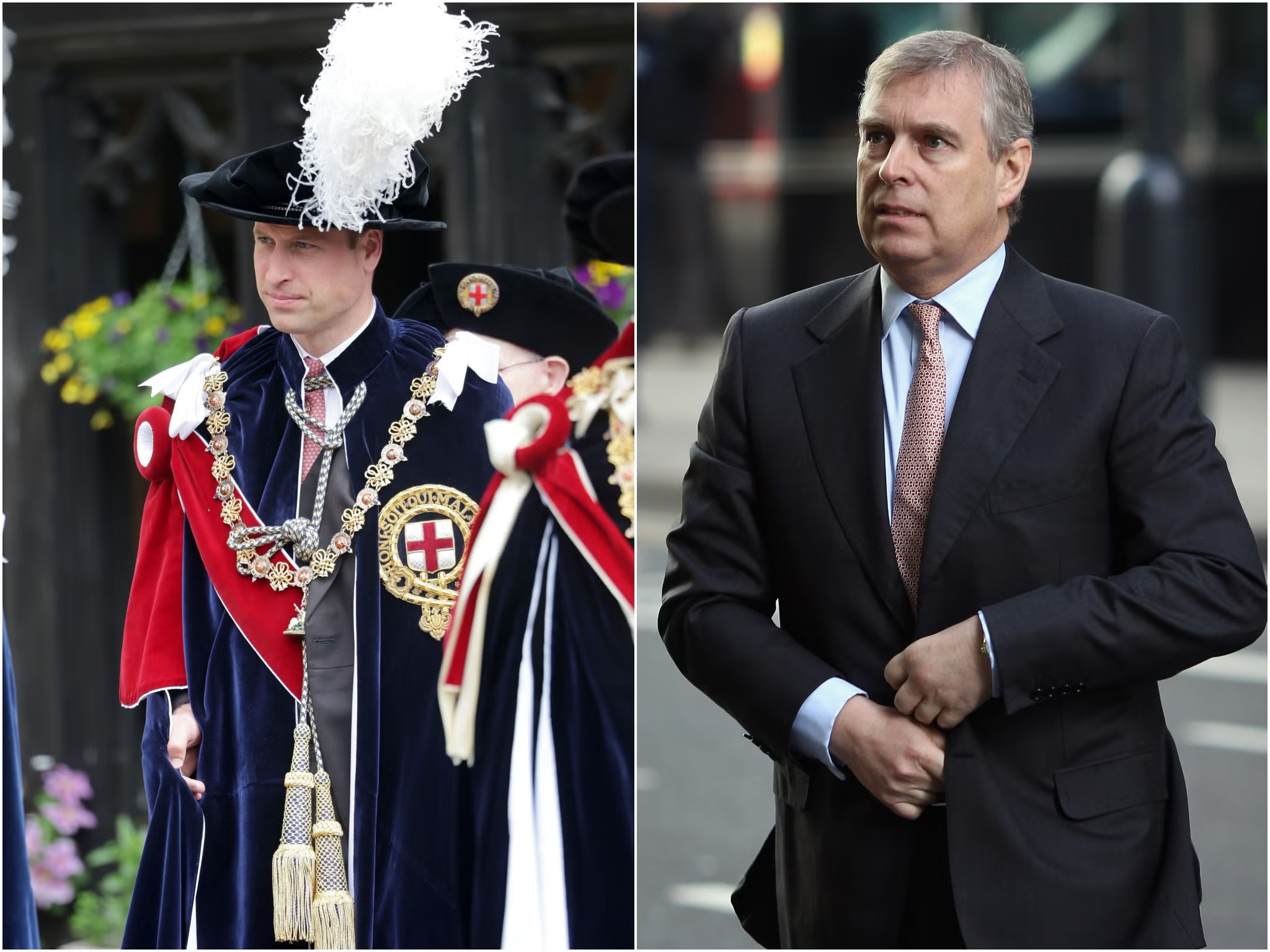
However, the dispute transcends real estate. Authoritative voices close to the Prince of Wales reveal his primary objective is to reclaim the Windsor estate as a secure and peaceful base for Prince George, Princess Charlotte, and Prince Louis. He perceives Andrew and Sarah Ferguson, who lives with him, as “distractions” whose presence “could potentially jeopardize the future of the royal family.” The strategy is “out of sight, out of mind,” believing public anger will subside only if Andrew is removed from the public eye entirely.
The Duke’s association with the convicted sex offender Jeffrey Epstein remains a festering wound. Experts warn that every time Andrew is seen riding on the Windsor grounds, it resurrects the scandal and creates a “jarring” contrast with the forward-working ethos William is trying to embody. This constant “drip feed” of negative attention is now directly competing with major royal initiatives, threatening to overshadow the critical environmental messaging of William’s Earthshot Prize summit in Brazil next week.
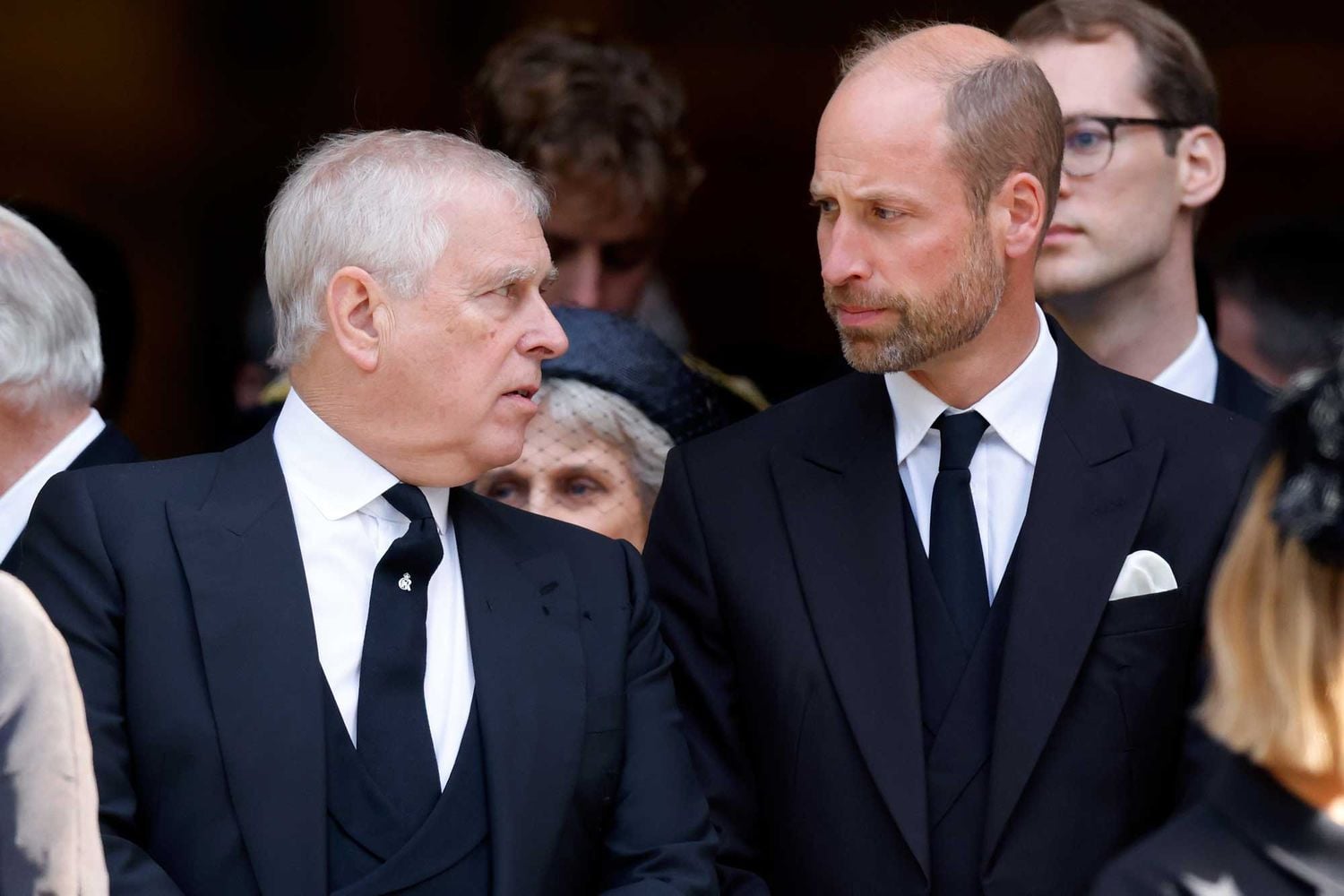
Complicating the King’s position are urgent practical concerns. Security is a paramount issue, as Andrew likely cannot be housed in a regular residential area without causing a spectacle and requiring protection. Potential solutions include Wood Farm on the Sandringham estate or a remote property like Balmoral’s Glenmick Castle, though the latter is considered too distant from his daughters. There is also fear within the institution that if cast out entirely and financially desperate, Andrew and Sarah could embark on lucrative, tell-all media projects akin to the Duke and Duchess of Sussex.
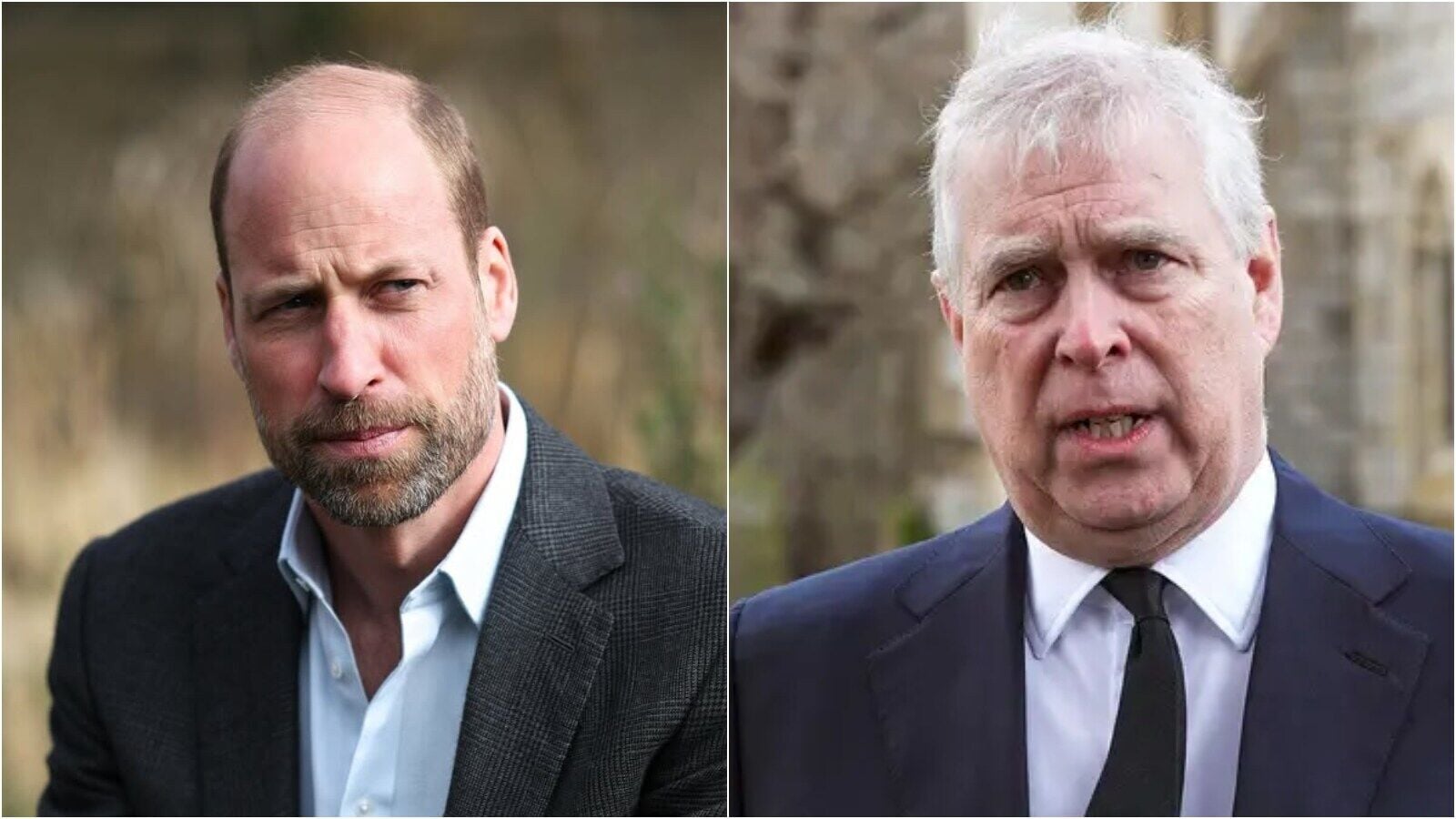 The crisis has grown so severe that backbench politicians are now agitating for a parliamentary debate on the use of public funds and royal properties, a move seasoned courtiers view with alarm. “If that happens, the King will lose control. It’s no longer a family issue. It’s now a matter of our elected representatives,” warned one former palace aide. They argue the Crown Estate lease is a legal, not political, matter and that MPs should focus on state affairs.
Meanwhile, the Duke and Duchess of Sussex remain a distant but parallel concern. Their quiet period in California, punctuated by minor commercial launches, is seen by some observers as a strategic pause while the “Andrew lightning rod” absorbs all negative attention. Analysts note a “sense of desperation” around their ventures after a difficult year, but highlight a key difference: they own their home, granting them permanence Andrew now lacks.
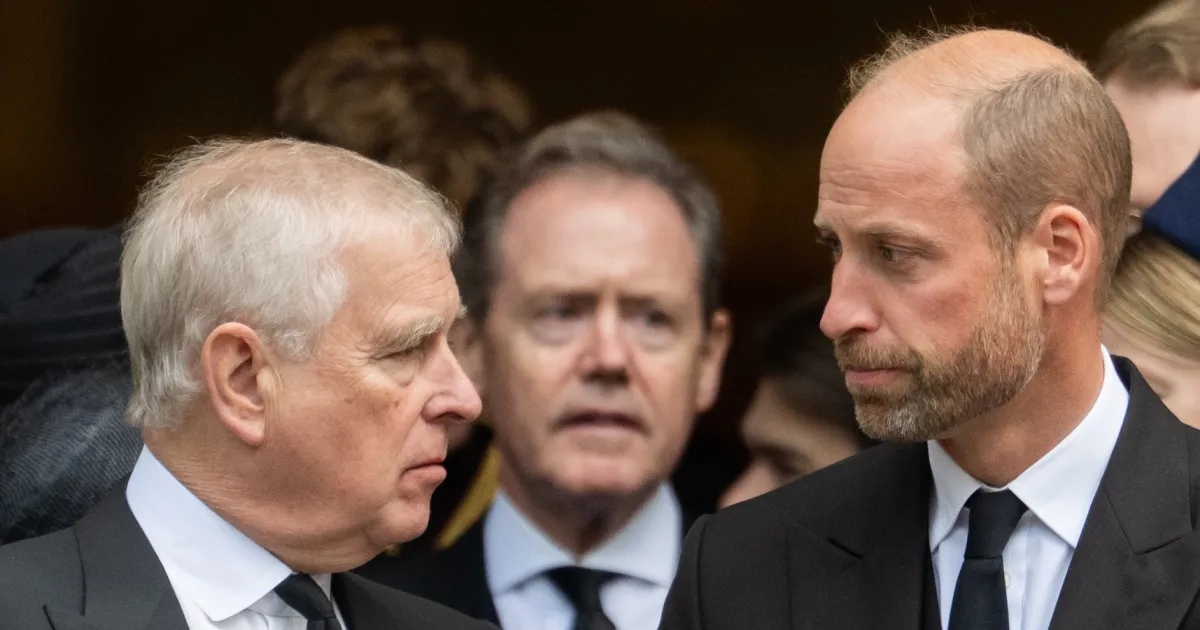
With the “siege of Royal Lodge” reaching a critical phase, all sides are reportedly braced for a resolution. The King, supported firmly by his heir, must now make a decisive move. The monarchy’s ability to move beyond perpetual scandal and focus on its modern purpose hangs in the balance. Every moment of delay allows the corrosive question to grow louder: can the institution truly shed its past and secure its future, or will it remain hostage to the transgressions of a sidelined prince? The clock is ticking, and the world is watching.