In a stunning revelation from the music industry’s inner circle, former G-Unit president Sha Money XL has detailed a private, emotional moment between 50 Cent and Young Buck, alleging the superstar rapper broke down in tears during a pivotal phone call. The claim emerges from a sprawling, exclusive interview where Sha Money XL chronicles his legendary production career and executive turmoil.
 The veteran producer and executive, instrumental to the rise of 50 Cent’s G-Unit empire, provided the anecdote while discussing his role as a mediator between the two artists during their infamous falling out. Sha Money XL sets the scene in a recording studio, moments after Young Buck concluded a call with 50 Cent.
“Buck told me when he came out of the car cuz we was in the studio, he was like, ‘Yo, Fif was crying on the phone,'” Sha Money XL recounts. His immediate reaction was one of disbelief, stating, “I said, ‘Yo, Fif don’t cry, bro. What the you mean Fif crying?'” According to his account, Young Buck insisted, “Yo, Fif cried on the phone to me, bro.”
Sha Money XL suggests the emotional exchange was recorded, a fact that later validated the story for him. “I’m happy he recorded that because that is him crying. You know what I’m saying?” He recalls Buck attempting to downplay the incident afterward, claiming the situation was resolved, but the image of a vulnerable 50 Cent left a lasting impression.
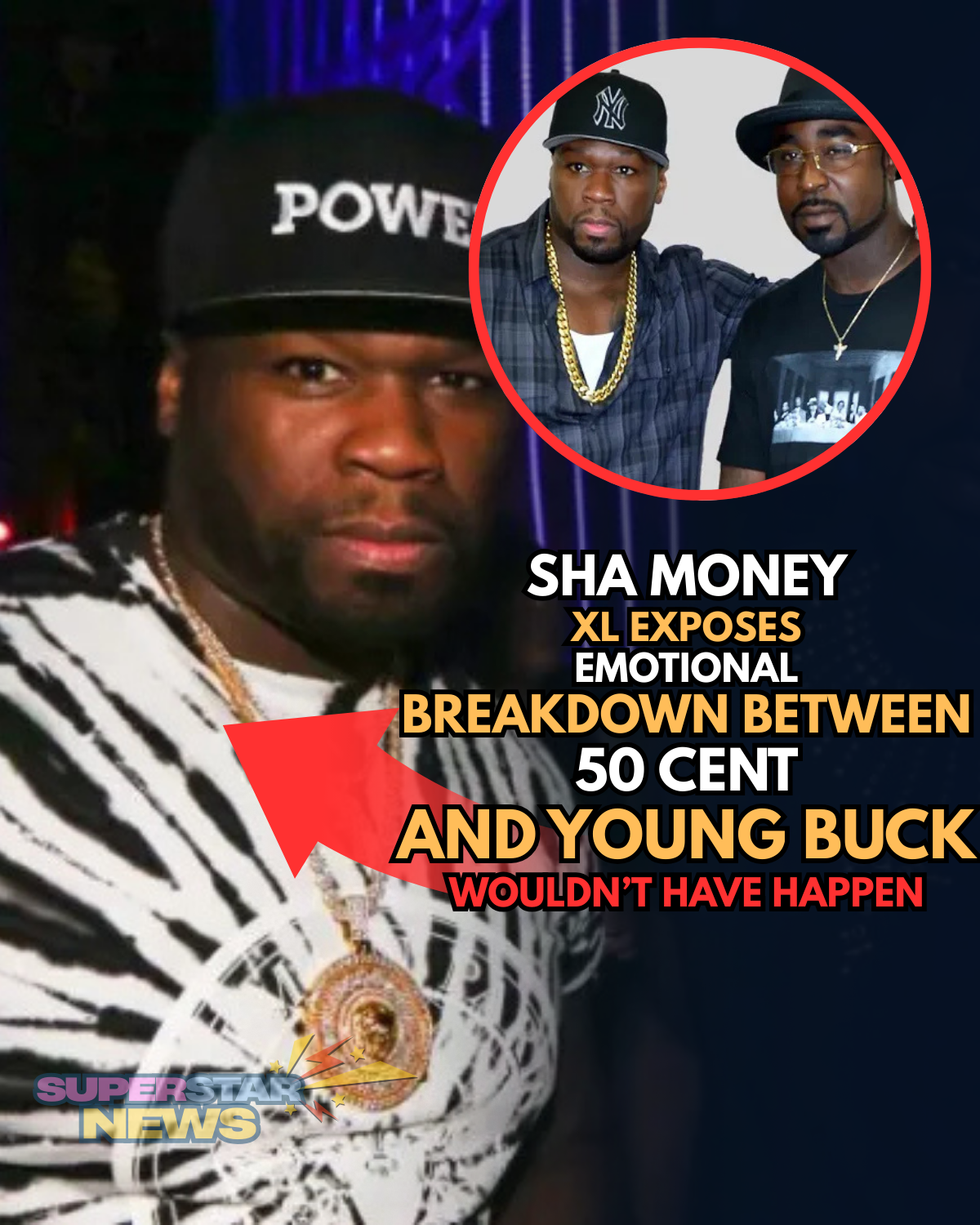
This intimate glimpse into a fractured brotherhood comes amid Sha Money XL’s detailed reflection on his post-G-Unit career trajectory. He describes the difficult period following his own split from 50 Cent in 2007, a division that forced loyalists to choose sides within the crew.
“Banks and Yo, they kind of like, ‘Nah, we got to run with the big homies.’ So, they kind of had to cut me off,” he states, highlighting the painful business realities that overshadowed familial bonds. “That’s where, you know, people had to choose sides. And I started seeing, you know, this ain’t friendship. This is still business.”
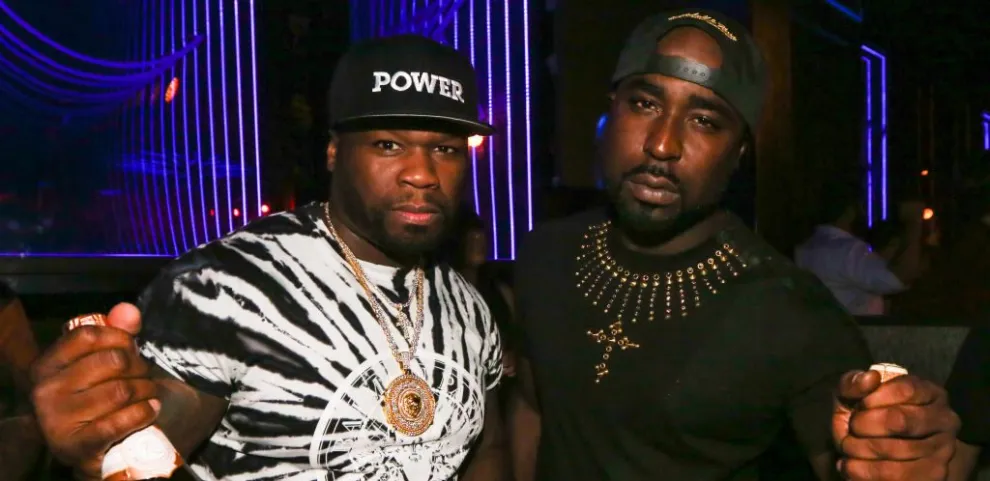
Despite the rift, Sha Money XL continued managing Young Buck, which necessitated ongoing communication with 50 Cent and placed him directly in the middle of their escalating conflict. His testimony paints a picture of the complex loyalties and emotional toll exacted by the group’s dissolution.

The interview, however, spans far beyond G-Unit drama, showcasing Sha Money XL’s prolific work as a producer after stepping back from his executive role. He speaks with passion about locking in studio sessions and crafting hits for a who’s who of hip-hop royalty, seeking creative fulfillment outside the corporate structure.
He details producing the classic Busta Rhymes and Stevie Wonder collaboration, a career milestone that saw his name alongside Dr. Dre’s in the credits. “Being able to work with Dre on that level, being p my name standing next to Dre on credits, you know what I’m saying?” he reflects, emphasizing the professional pride it instilled.
His creative journey took him from the West Coast, working extensively with Snoop Dogg on multiple albums and an unreleased track with Jeezy, back into the studio with Dr. Dre for new artist Slim the Mobster. He then shifted to the South, collaborating with 2 Chainys and experiencing what he calls one of his best sessions ever with Mac Miller.
“One of the biggest classics, you know what I’m saying?” he says of the work with Miller, describing a spontaneous session at the late rapper’s Malibu home armed with just his computer and a set of headphones. These moments, he stresses, define his true passion amidst an industry he describes as often difficult.
“The industry sucks, the business, the people, they change, all of that. But I I’m always make music. That’s not going to stop,” he asserts. This dedication led to an extraordinary late-career pinnacle: a direct call from Tupac Shakur’s estate.
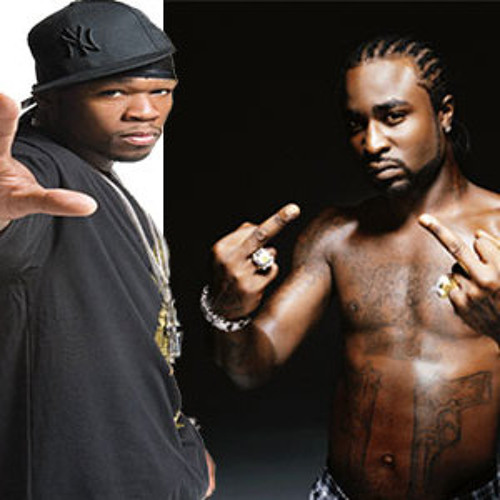
While still with G-Unit but on his way out, he was approached by the head of the Shakur estate. “She came with security, she came with engineer everything. We locked in in the studio,” he remembers. The planned one-day session yielded five records, landing him production credits on one of Tupac’s highest-selling posthumous albums.
Following his G-Unit exit and a brief return to produce for 50 Cent’s “Before I Self Destruct” album, Sha Money XL longed to return to the executive suite. His opportunity came through an unexpected recommendation, leading to a meeting with legendary music executive LA Reid.
With a crucial co-sign from the late, great Chris Lighty, Sha Money XL was hired as Senior Vice President of A&R for Def Jam Records. This marked a triumphant return to the corporate side, proving his keen ear and industry acumen remained in high demand.
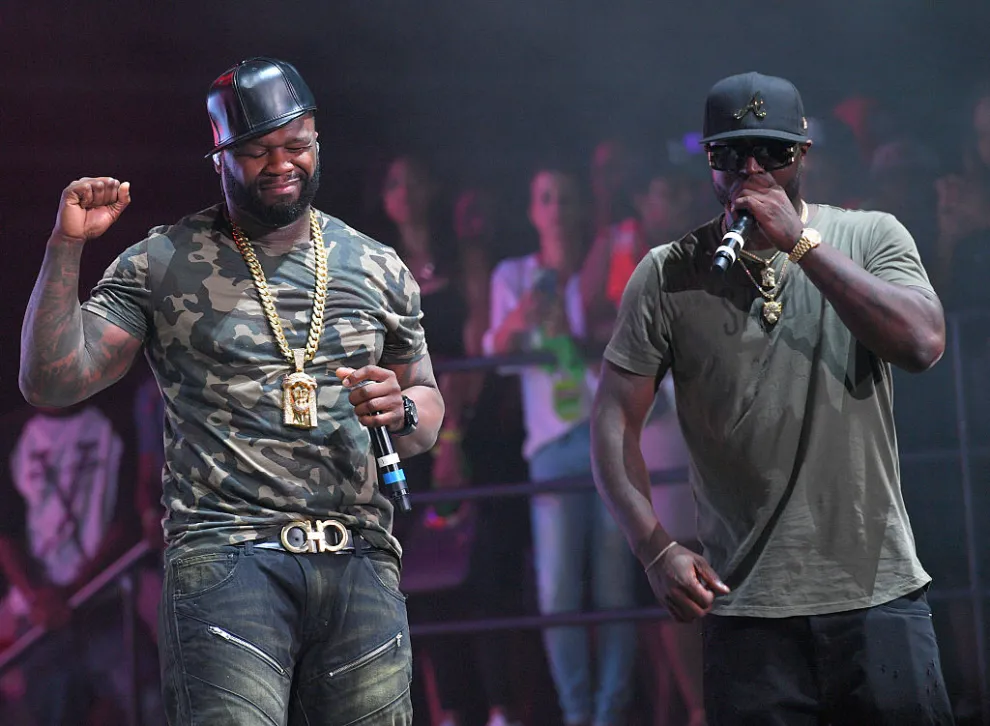
The full interview, from which these excerpts are drawn, is part of a comprehensive documentary focusing on the making of 50 Cent’s seminal “Get Rich or Die Tryin'” album. It provides an unfiltered look at the alliances, betrayals, and raw emotion that fueled one of hip-hop’s most powerful dynasties.
Sha Money XL’s account of 50 Cent’s emotional moment with Young Buck adds a deeply human layer to the often-brutal narrative of G-Unit’s history. It underscores the profound personal connections that were strained and severed amidst the relentless pressures of business, fame, and fortune.
His story is a testament to the dualities of the music world: the clash between art and commerce, the fragility of brotherhood under corporate strain, and the enduring drive to create. From mediating tearful calls between superstars to crafting beats for legends, Sha Money XL’s career embodies the very heart of hip-hop’s complex ecosystem.
The revelations continue to resonate, offering fans and historians alike a crucial, insider perspective on a defining era. The emotional vulnerability of a figure like 50 Cent, as alleged here, challenges the invincible persona he meticulously crafted, reminding the world of the real people behind the iconic music and public feuds.