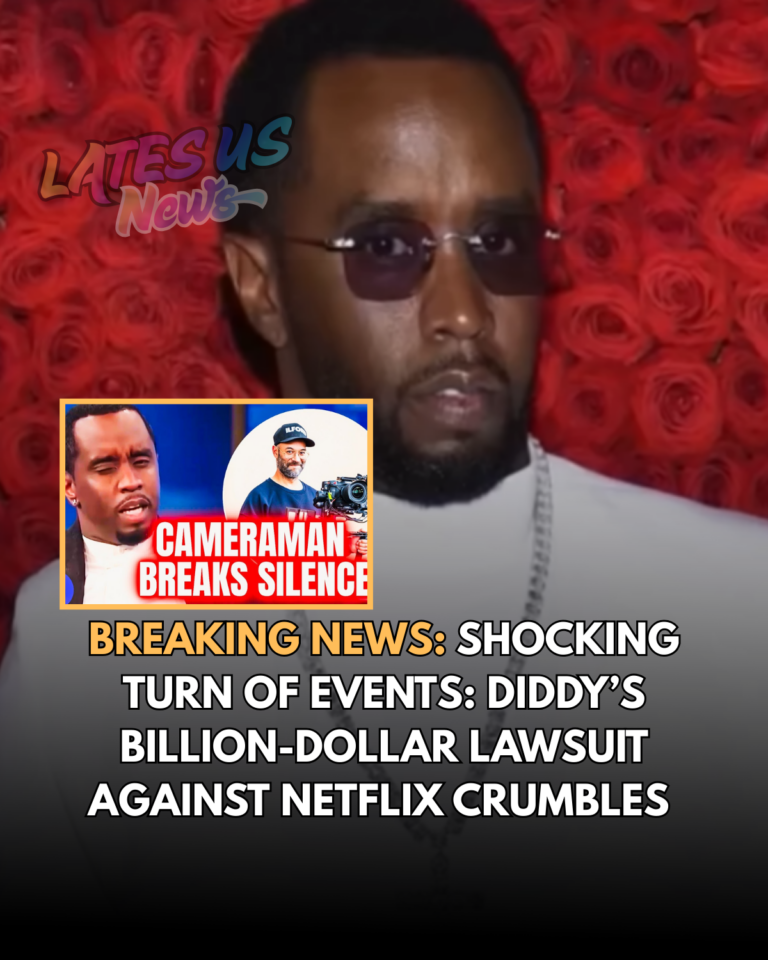
Netflix is preparing to file a defamation lawsuit against Sean “Diddy” Combs, multiple industry insiders confirm, alleging his public campaign accusing the streamer of using stolen footage is damaging its corporate reputation. This dramatic escalation follows the mogul’s repeated claims that behind-the-scenes material featured in a recent documentary was obtained illegally. Sources indicate Netflix’s legal team has already provided Combs’s attorneys with exhaustive documentation proving a legitimate chain of custody and licensing.
 The simmering conflict has now reached a boiling point. Insiders whisper that the streaming giant is “fed up” with Combs’s public statements and planted articles. They allege his accusations constitute false claims of criminal behavior by Netflix staff and its documentary team. Corporate leadership views this as a direct attack on its integrity and is prepared to litigate.
“If he keeps lying about the legality of the footage, the billion-dollar lawsuit can go both ways,” one source close to the situation stated. This suggests Netflix is considering a massive countersuit for defamation and malicious interference should Combs proceed with his own legal threats. The company reportedly believes it holds the moral and legal high ground.
The core of Netflix’s position hinges on a devastating revelation from the footage’s origin. Cameraman Michael Oberlies, who filmed Combs for over two years, provided a statement that has fundamentally undermined the mogul’s legal standing. Oberlies confirmed the controversial footage was not leaked by him or any authorized handler.
Instead, Oberlies stated it was released by a third-party freelancer who covered a mere three-day shift. Critically, he emphasized the incident “had nothing to do with any fee dispute or contract issue.” This single line has seismic legal implications, as it suggests no formal contracts governed the footage’s ownership or use during that period.
 This exposes an alleged decades-long pattern by Combs of operating without formal contracts with creative workers. Industry analysts note this tactic allows for post-hoc renegotiation, underpayment, and retained control. Without a contract, copyright ownership becomes murky, potentially leaving the creator—or a freelancer they hire—with the rights.
In this case, if no contract existed between Combs and the freelancer, that individual may have legally owned the footage they shot. If they then legally licensed it to Netflix, the streamer’s acquisition is ironclad. This scenario would mean Netflix possesses more legal right to the material than Combs ever did.
Legal experts suggest Netflix’s potential lawsuit could seek a declaratory judgment affirming its ownership of the footage. It could also include claims for defamation, interference with business relations, and abuse of process. The financial damages sought could reach into the billions, mirroring the scale of Combs’s own threats.
The situation is further complicated by timing and speculation. The freelancer’s three-day stint coincided with a period just before Combs’s arrest by federal authorities. This has fueled street speculation that the footage may have been part of a broader, coordinated effort to expose the mogul, possibly involving his longtime rival, 50 Cent.

Netflix’s message to Combs’s camp is now unequivocal: cease the public accusations or face severe legal consequences. The streamer is reportedly confident in its paperwork and legal position. Insiders state the company “will not be bullied by a man with no contracts,” highlighting a stark power shift.
For Combs, the legal peril is multifaceted. A lawsuit from Netflix would open a new, costly front in his legal battles. More ominously, the discovery process in such a case could compel the release of every hard drive and all footage shot over two years, potentially exposing far more than any documentary.
The cameraman’s statement has effectively reframed the entire narrative. It suggests the leak was not a theft from Combs, but a consequence of his own failure to secure his assets through standard industry contracts. This portrayal of self-sabotage through arrogance is a devastating blow to his public and legal posture.
 Netflix, sensing this weakness, appears ready to move from defense to offense. The company is positioned to argue that Combs’s campaign is a deliberate attempt to smear its reputation to gain leverage in a fight he is legally losing. Its vast resources make a protracted legal war a significant threat.
The entertainment industry is watching closely, as the outcome could set a precedent for how platforms handle disputes with powerful subjects. It also casts a harsh light on the informal practices some moguls have used to maintain control over those who work for them.
As the standoff intensifies, the pressure on Combs mounts. With federal criminal charges pending and now the threat of a corporate juggernaut suing him for defamation, his strategy of controlling the public narrative may have backfired catastrophically. Netflix seems prepared to prove that in court.
The final irony is profound. The footage Combs claims was stolen may never have been his to own. His attempt to intimidate Netflix may result in a legal ruling that formalizes that very fact for the public record. The streamer’s patience has evidently expired, and its next step may be a lawsuit that defines the limits of celebrity power against institutional might.